



Why Your Knife Skills Matter
The journey to a more exciting vegetable dish begins long before it hits the heat. The way you cut a vegetable fundamentally changes its flavour and texture. Different cuts expose varying amounts of a vegetable's surface area, which in turn affects how
it cooks and tastes. A finely minced garlic clove, for example, releases more of its pungent compounds than a thinly sliced one because more of its cell walls are ruptured. Similarly, a carrot shredded into fine matchsticks will taste sweeter than one cut into large coins. The size of the cut also dictates cooking time; smaller pieces cook much faster, while larger chunks hold their shape and texture better in slow-cooked dishes like stews. Uniformity is also key. Cutting vegetables into evenly sized pieces ensures they all cook at the same rate, preventing a mix of mushy and undercooked bites in your final dish.
A Guide to Essential Cuts
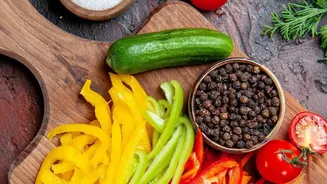
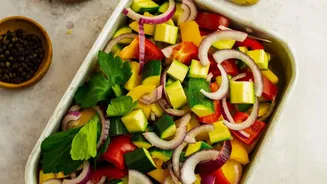
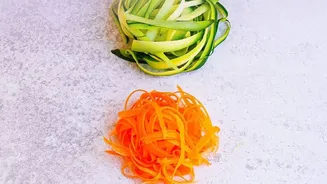
You don't need to be a culinary school graduate to master a few basic cuts that will revolutionize your cooking. Dicing, or cutting vegetables into small, uniform cubes, is perfect for soups, stir-fries, and salsas where you want even cooking and distribution of flavour. Slicing creates thin, flat pieces ideal for gratins, sandwiches, or quick sautés. For salads and garnishes, the julienne—thin, matchstick-like strips—adds wonderful texture and visual appeal. Then there’s the rough chop, which creates irregular, rustic pieces perfect for hearty stews or roasting. Even a simple bias cut, slicing a vegetable at an angle, can make it feel more interesting in the mouth. By varying these cuts, you can make the same vegetable seem entirely new.
Choosing Your Cooking Method
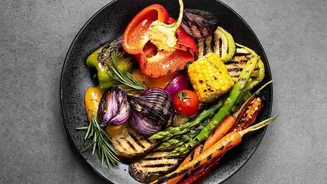
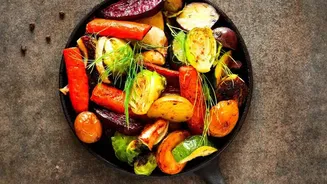
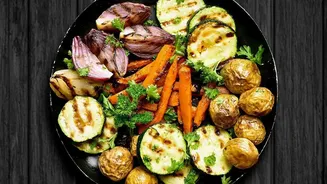
Once your vegetables are prepped, the cooking method provides the next layer of flavour transformation. Roasting in a hot oven caramelizes the natural sugars in vegetables like carrots, sweet potatoes, and Brussels sprouts, creating a deep, sweet, and nutty flavour. Steaming is a gentler approach that preserves nutrients and results in a clean, fresh taste and tender texture, perfect for delicate greens. Sautéing or stir-frying in a wok or pan over high heat cooks vegetables quickly, keeping them crisp-tender and vibrant. For a smoky, charred flavour, nothing beats grilling, which works wonderfully for larger vegetable pieces like zucchini planks or bell pepper halves. Each method imparts a distinct personality onto the vegetable, and knowing which to choose is a powerful tool.
The Art of Combination Meal Prep
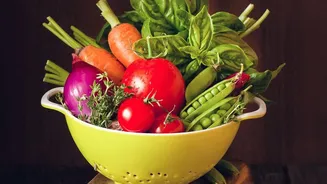
This is where the magic happens. Instead of prepping one vegetable one way for the whole week, think in combinations. Let’s take a bunch of carrots. You could dice half of them for a soup base or a quick stir-fry. The other half could be cut into larger batons or sticks, ready for roasting with herbs later in the week. This strategy saves you time and introduces variety. On Sunday, you can roast a large tray of diced potatoes and chopped bell peppers for easy additions to salads and grain bowls. At the same time, you can thinly slice some zucchini and onions, storing them in an airtight container to be quickly sautéed for a pasta dish on a busy Tuesday night. This approach ensures that your meals feel fresh and different, even when you're working from the same batch of seasonal produce.
Putting It All Together
Imagine you've just bought broccoli, bell peppers, and onions. For your first meal, you might roughly chop the broccoli and peppers, toss them with oil and spices, and roast them for a simple, flavourful side dish. For another meal later in the week, you could use finely diced onion as the aromatic base for a sauce, while finely chopped broccoli stems and julienned bell peppers are added to a quick stir-fry, ensuring they remain crisp. By thinking about how the cut (chopped vs. diced vs. julienned) and cooking method (roasting vs. stir-frying) work together, you create two completely distinct culinary experiences from the exact same ingredients. This thoughtful approach moves you beyond repetitive meal prepping and into the realm of creative, efficient cooking.