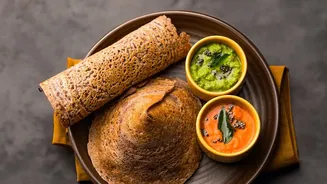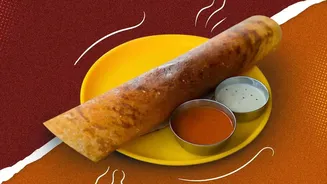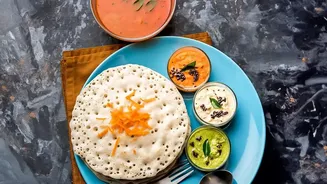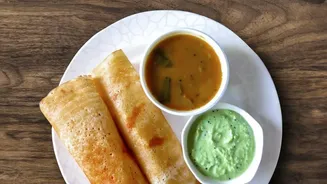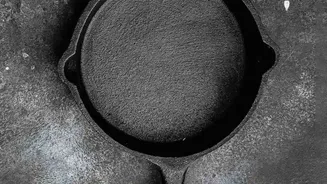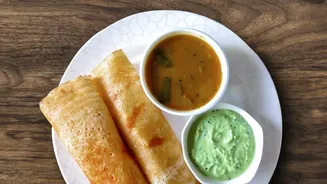

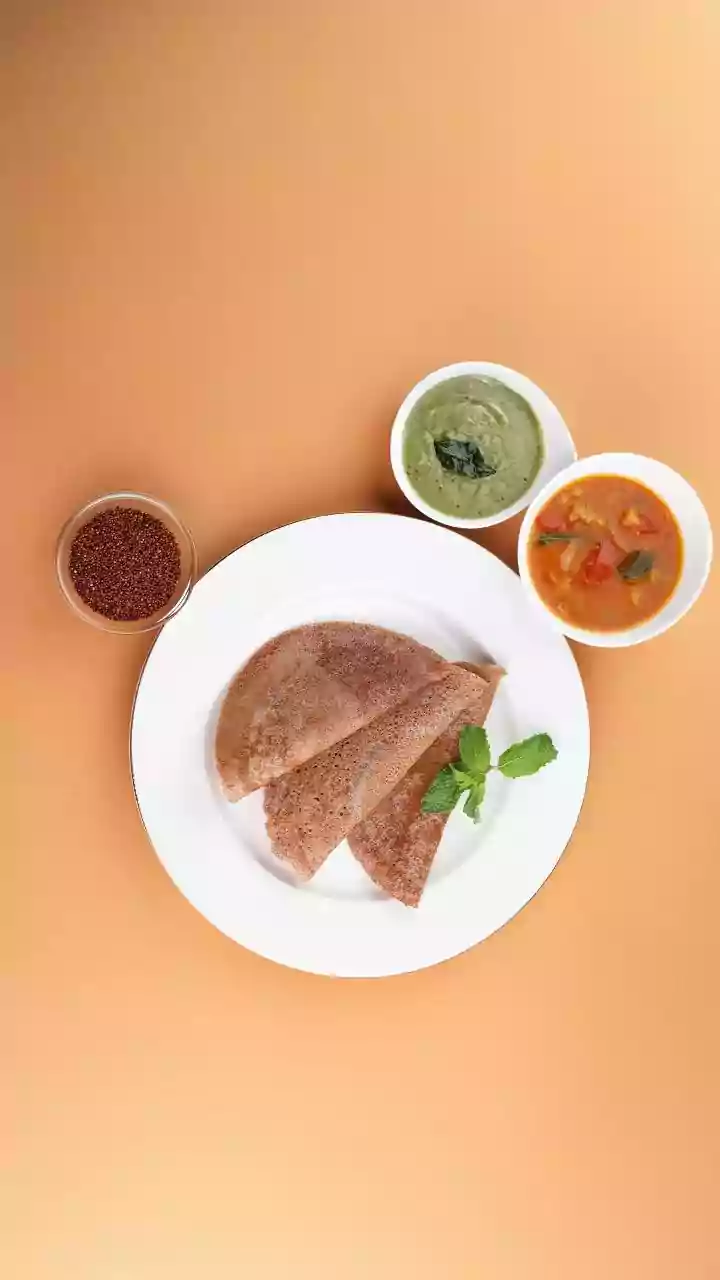
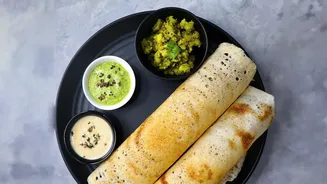
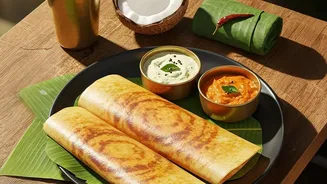
The dream is a paper-thin, golden-brown dosa that cracks with a satisfying crunch. The reality is often a torn, sticky mess. The secret isn't in the batter alone; it's in the tawa. Mastering a cast-iron tawa is a game of temperature.
Why Cast Iron Reigns Supreme
Before we get to temperature,
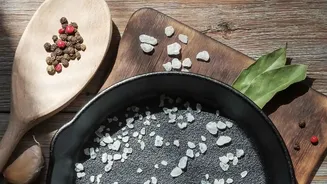
let's appreciate why cast iron is the undisputed champion for traditional dosa making. Unlike lighter pans, cast iron is prized for its superior heat retention. It takes longer to heat up, but once it's hot, it stays hot, providing a stable, even temperature across its surface. This consistent heat is what allows the batter to cook uniformly, preventing the dreaded scenario of burnt centres and pale, undercooked edges. A well-seasoned cast-iron tawa also develops a natural non-stick surface over time, created by layers of baked-on oil called a patina. This surface gets better with every dosa you make, providing that perfect release without relying on chemical coatings.
The 'Just Right' Goldilocks Zone
The perfect temperature is the key to a dosa that doesn't stick and spreads beautifully. The most reliable method to check this is the water-droplet test. After preheating your tawa on a medium flame for several minutes, sprinkle a few drops of water onto the surface. If the tawa is at the ideal temperature, the water droplets won't instantly evaporate. Instead, they will form into little beads that dance, skitter, and glide across the surface before disappearing. This phenomenon, known as the Leidenfrost effect, occurs when the surface is so hot that a thin layer of steam forms beneath the water, causing it to float. This steam cushion is exactly what you want to form under your dosa batter, creating a temporary non-stick barrier that allows for a flawless, crisp finish.
Warning Signs of an Overheated Tawa
More heat is not always better. An overheated tawa is just as problematic as one that's too cool. If you perform the water test and the droplets disappear instantly with a loud crackle or aggressive sizzle, your tawa is too hot. When you pour batter onto an excessively hot surface, it seizes up and cooks on contact. This prevents you from spreading it thinly and evenly. The batter will likely stick, tear, and cook unevenly, resulting in a dosa that is burnt in patches while still raw in others. The extreme heat can also damage the seasoning on your cast iron, making future sticking problems even worse. If you find your tawa is smoking heavily before you've even added oil, it's a clear sign to reduce the heat and let it cool down.
How to Tame the Heat
If your tawa is overheated, don't panic. The fix is simple. Turn the flame down to low and wait a minute. For a more immediate correction, carefully sprinkle a bit of water across the surface and wipe it away with a cloth or paper towel. This action quickly brings the temperature down to a more manageable level, preparing it for the next dosa. A common practice in many Indian households is to rub the hot tawa with half an onion dipped in a little oil. This not only lightly greases the surface but also helps regulate the temperature and imparts a subtle flavour. Remember, once the tawa is hot, it requires much less flame to maintain its temperature.
Troubleshooting Common Dosa Disasters
Even with perfect heat, other factors can lead to a less than perfect dosa. If your dosas are still sticking, check your seasoning. A new or rarely used tawa might have a thin seasoning layer that needs to be built up with regular use. Ensure your batter is at room temperature; cold batter can cause the tawa's temperature to drop, leading to sticking. Also, be patient. Trying to lift the dosa before it's ready is a guaranteed way to tear it. A cooked dosa will start to lift at the edges on its own, signalling it's ready to be folded or flipped.