






The Allure of the Off-Season
For generations, the Indian travel calendar was predictable. Winter meant peak season crowds and summer was for the hills. The monsoon was a time to stay home. Now, a shift is underway, largely powered by Millennial and Gen Z travellers. This demographic,
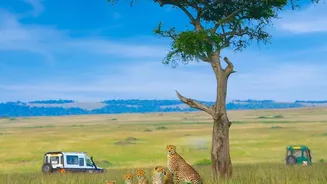
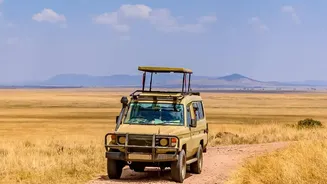
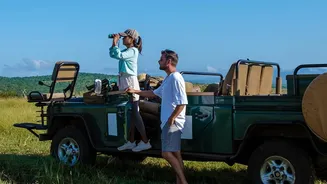
driven by a desire for unique, experience-led trips, is actively seeking out destinations during their 'off-season'. According to industry experts, there's a growing interest in monsoon holidays, with young Indians drawn by the promise of fewer crowds, lower prices, and a more authentic encounter with nature. They're trading crowded winter jeeps for the serene, rain-drenched solitude of a monsoon safari, valuing the experience over just a checklist of sightings.
Where the Jungle Stays Open
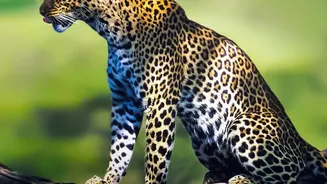
Contrary to popular belief, not all national parks shut down completely from July to September. While many core zones close for safety and to allow wildlife to breed undisturbed, their surrounding buffer zones remain open and offer a surprisingly rich safari experience. In Maharashtra, Tadoba Andhari Tiger Reserve is a prime monsoon destination, with several gates like Moharli and Kolara providing access to buffer areas where tigers are frequently sighted. In Rajasthan, Zones 6 to 10 of Ranthambore National Park stay operational, offering a chance to see its famed tigers against a backdrop of lush greenery. Similarly, buffer zones of Jim Corbett in Uttarakhand, like Jhirna and Dhela, provide ample opportunity for wildlife encounters.
Beyond the Tiger
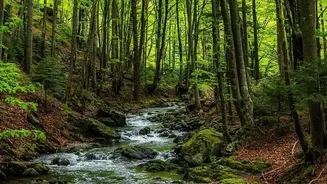
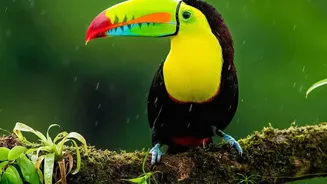
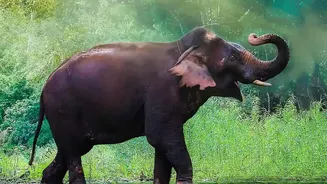
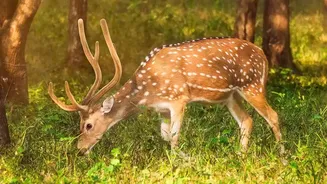
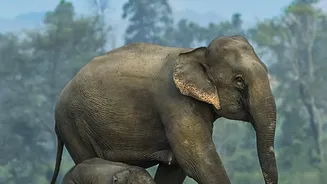
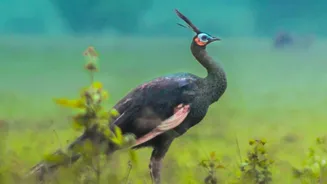
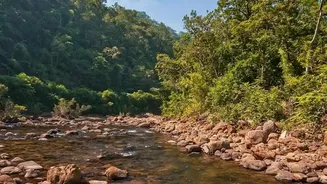
While the chance to spot a tiger is always a draw, the appeal of a monsoon safari goes much deeper. Seasoned enthusiasts know this is when the forest is at its most vibrant. The landscape transforms into a stunning canvas of emerald green, with mist-covered hills and flowing streams. This season is a paradise for photographers, with the soft, diffused light creating dramatic images. It’s also an incredible time for birdwatching, as resident species are more active. The rains bring out a host of other creatures, from fascinating reptiles and amphibians to herds of elephants enjoying the plentiful water, especially in southern parks like Periyar in Kerala and Nagarhole in Karnataka. The signature experience at Periyar is its boat safari on the lake, which continues uninterrupted through the monsoon and offers fantastic sightings of elephant herds.
The Practical Side of a Wet Safari
Planning a monsoon safari requires a slightly different mindset. The perks are undeniable: fewer tourists mean a more peaceful experience and resorts often offer significant discounts. However, it's essential to be prepared. Safaris in buffer zones are still subject to weather conditions and can be cancelled if heavy rains make tracks unsafe. The experience is less about covering vast distances and more about soaking in the atmosphere. Packing quick-dry clothing, waterproof jackets, and sturdy, water-resistant footwear is non-negotiable. Protecting your camera gear from the humidity and rain is also crucial. While wildlife sightings can be spectacular, as animals often use the clearer roads to avoid waterlogged undergrowth, it's also a time to appreciate the jungle in its entirety—the sounds, the smells, and the sheer abundance of life.