






Understanding Modern Stress
For young professionals today, stress isn't just about a single tough deadline. It's a constant mix of long hours, digital fatigue, performance pressure, and the blurring line between work and home. This chronic stress can manifest in two distinct ways:
as a physical, exhausting burnout that leaves you feeling 'wired but tired', or as a mental fog that makes it impossible to focus, remember details, and think clearly. Recognising which type of stress is affecting you most is the first step toward finding the right natural support.
Ashwagandha: The Resilience Builder
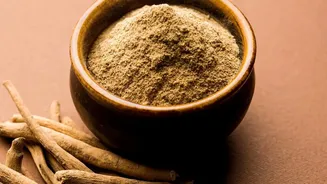
Ashwagandha (Withania somnifera) is one of the most powerful herbs in Ayurveda, best known as an adaptogen. Think of it as a thermostat for your body's stress response. Its primary role is to help your body adapt to and manage stress more efficiently. It works by regulating cortisol, the main stress hormone. When you're chronically stressed, cortisol levels can remain high, leading to fatigue, poor sleep, and a weakened immune system. Ashwagandha helps bring these levels back into balance, promoting a sense of calm and physical resilience.
Brahmi: The Clarity Enhancer
Brahmi (Bacopa monnieri) is hailed in Ayurveda as a 'Medhya Rasayana'—a brain tonic. Its main strength lies in supporting cognitive function. Brahmi works on the brain by enhancing memory, improving learning capacity, and sharpening focus. It contains active compounds called bacosides, which help protect brain cells and improve communication between neurons. While it also has calming properties, its primary benefit is in quieting mental chatter, reducing the anxiety that comes from feeling overwhelmed, and promoting mental clarity under pressure.
The Key Difference: Body vs. Mind
The choice between Ashwagandha and Brahmi comes down to the primary nature of your stress. Ashwagandha is better for stress that manifests physically. It addresses systemic issues like fatigue, poor sleep, and the general feeling of being run down. In contrast, Brahmi is better for stress that manifests cognitively. It targets brain fog, poor concentration, and difficulty retaining information, helping you stay sharp and focused. Simply put, Ashwagandha calms the body's overactive stress response, while Brahmi sharpens the mind that's been dulled by it.
When to Choose Ashwagandha
Opt for Ashwagandha if your stress symptoms are predominantly physical. You might be a good candidate if you experience trouble falling or staying asleep despite feeling exhausted, feel physically drained after a long day, struggle with burnout, or find your body in a constant state of high alert. It's often recommended to be taken in the evening to support restful sleep and help the body recover overnight.
When to Choose Brahmi
Turn to Brahmi if your stress primarily impacts your mental performance. It's the ideal choice if you struggle with focus during long meetings, find it hard to learn new skills, feel mentally scattered and forgetful, or experience anxiety that leads to overthinking and a lack of clarity. Brahmi is typically taken in the morning or during the day to support cognitive function and productivity when you need it most.
How to Use Them Safely
Both herbs are available as powders, capsules, or extracts. While generally considered safe for short-term use, they can have side effects. Ashwagandha may cause mild stomach upset or drowsiness and should be used with caution by those with thyroid conditions or auto-immune diseases. Brahmi can sometimes cause nausea or digestive issues, especially on an empty stomach. It's crucial to start with a low dose and see how your body reacts. Combining them can be beneficial for a holistic approach but should be done under guidance.