


More Than Just a Boat
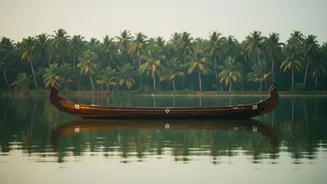
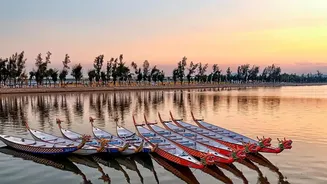
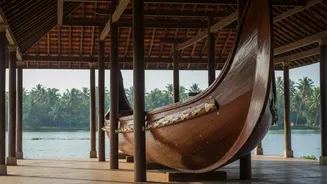
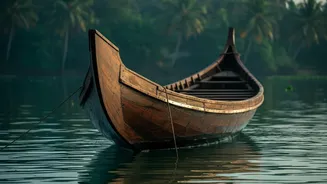
To understand the effort, one must first appreciate the vessel. A Chundan Vallam, or snake boat, is a marvel of indigenous naval architecture, often stretching over 100 feet long. Traditionally crafted from Anjili (wild jackfruit) wood, these boats are
not merely sporting equipment; they are cultural icons, deeply woven into the social and spiritual fabric of their communities. Especially in regions like Aranmula, the boats, known as Palliyodams, are considered sacred vessels of the local deity, Lord Parthasarathy. Each boat belongs to a specific village or community, called a 'kara', and is treated with a reverence akin to a deity, symbolizing the unity and pride of the entire village.
The Staggering Cost of Upkeep
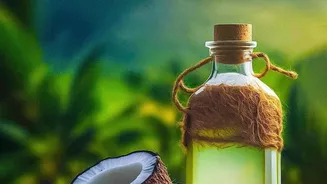
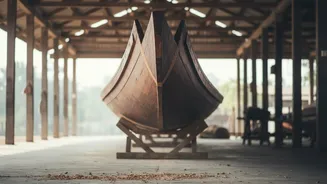
Maintaining a snake boat is a monumental task. The annual restoration is not just a quick paint job; it's a comprehensive overhaul that requires immense resources. A significant cost is the application of a special coating to the hull. This traditional waterproofing mixture consists of fish oil, carbon from burnt coconut shells, and eggs, which keeps the wood strong and makes the boat glide smoothly through the water. Beyond this, there are costs for skilled carpenters who perform repairs, replacing planks and ensuring the structural integrity of the massive vessel. Training camps for the 100-plus rowers, which can last for weeks, also add to the expense, requiring funds for nutritious food and stipends for the crew. The total cost for a single season's preparation and maintenance can run into lakhs of rupees.
The 'Kara': A Model of Collective Action
This is where the village collectives come in. Each boat is managed by a committee, often called a 'Palliyoda Seva Sangham' in the context of Aranmula, which is composed of representatives from the local 'kara' or village unit. These collectives are the backbone of the entire operation. They don't just oversee the logistics of the race; their primary responsibility is to ensure the boat is funded, maintained, and ready. The entire village sees the boat as its collective responsibility and prestige. This shared ownership fosters a powerful sense of unity, turning the boat's upkeep into a common village goal.
Grassroots Fundraising and Ritual Feasts
The fundraising methods are as traditional as the boats themselves. Villagers go from door to door collecting contributions. Local businesses and prosperous non-resident Indians (NRIs) with roots in the village often become significant sponsors. However, one of the most unique forms of support comes from ritual feasts. In Aranmula, devotees can sponsor a 'Vallasadya', a grand ritual feast offered to the rowers. This act is considered an offering to the temple deity itself, with the rowers as divine representatives. The funds generated from booking these elaborate meals, which can feature over 60 traditional dishes, are a crucial source of income for the boat's maintenance and the associated rituals, directly linking devotion to the preservation of the tradition.
A Sacred, Ritualistic Process
The headline's mention of "rituals" is key. The restoration process is steeped in ceremony. Work on the boat begins on an auspicious day, often with specific prayers and offerings led by a master carpenter ('Moothashari'). The boat is considered a living entity, and its repair is a sacred duty. Before the racing season, purification rituals are performed, and the boats are blessed at the temple. Oarsmen themselves follow a period of strict discipline, almost like a spiritual observance, before they are allowed to row. The entire process, from the first strike of the chisel to the final launch into the water, is a blend of expert craftsmanship and unwavering devotion, ensuring the snake boat is not just physically sound but also spiritually ready.