




The Monsoon Paradox: Joy and Ailments
The first rains bring immense relief from the scorching summer heat. The air cools, the landscape turns a lush green, and the mood lifts. However, this season of romance and respite is also a challenging time for our health. The increased humidity, stagnant
water, and drop in temperature create a perfect breeding ground for bacteria and viruses. This is the season of sniffles, coughs, viral fevers, and digestive troubles. Our body's natural defense system, or immunity, often takes a hit, making us more susceptible to infections. According to Ayurveda, the monsoon aggravates the 'Vata' dosha (associated with air and ether), leading to issues like indigestion and joint pain, while the dampness can increase 'Kapha' (earth and water), causing congestion and colds.
The Timeless Hero: Chyawanprash
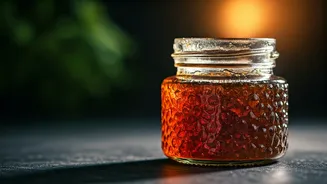
Amidst the plethora of modern supplements, the answer to monsoon wellness might just be a sticky, dark, sweet-and-sour paste that has been a staple in Indian households for centuries: Chyawanprash. This Ayurvedic jam, or 'avaleha', is not just a random concoction; it's a powerful polyherbal formula, believed to have been first created by the sage Chyawan to restore his youth and vitality. Its primary purpose, as described in ancient texts like the Charaka Samhita, is to act as a 'Rasayana'—a rejuvenator that enhances overall health, boosts vitality, and, most importantly, strengthens the body’s natural defenses. It's the ultimate 'one-spoon solution' that generations have trusted to navigate the health challenges of the rainy season.
A Symphony of Potent Herbs
What makes Chyawanprash so effective is its complex and synergistic blend of dozens of herbs and spices, with Amla (Indian gooseberry) as its star ingredient. Amla is one of the richest natural sources of Vitamin C, a potent antioxidant crucial for a robust immune system. A single serving of Chyawanprash can provide a significant portion of your daily Vitamin C requirement. But it doesn't stop there. Other key ingredients often include: - **Giloy (Tinospora cordifolia):** Known in Ayurveda as 'Amrita' or the root of immortality, it's a powerful immunomodulator that helps the body fight off infections. - **Ashwagandha (Withania somnifera):** An adaptogen that helps the body manage stress, which can weaken immunity. It also builds strength and stamina. - **Pippali (Long pepper):** A bio-enhancer that improves the absorption of other herbs and is excellent for respiratory health, helping to clear phlegm and congestion. - **Tulsi (Holy Basil):** Revered for its anti-viral, anti-bacterial, and anti-fungal properties, making it a perfect ally during the monsoon.
More Than Just Immunity
While its fame rests on immunity-boosting, the benefits of Chyawanprash extend further, making it a holistic wellness tonic for the monsoon. Its warming herbs help improve digestion ('agni'), which often becomes sluggish during this season, preventing issues like bloating and indigestion. The blend of herbs supports the respiratory system, protecting the lungs from the damp, cold air and reducing the frequency of coughs and colds. Furthermore, the rich antioxidant profile helps combat free radicals, promoting cellular health and lending a natural glow to your skin, which can often turn dull in the humid weather. It essentially works on multiple systems to create a state of balance and resilience, which is the core principle of Ayurvedic wellness.
Making It Your Monsoon Ritual
Incorporating this ancient remedy into your modern life is incredibly simple. The standard recommendation is to have one to two teaspoons of Chyawanprash once or twice a day. The best time is in the morning on an empty stomach, followed by a small glass of warm milk or water. The warm liquid helps in better absorption of the nutrients. For children, the dosage is typically half a teaspoon. Its sweet, tangy, and spicy taste can be an acquired one, but most people grow to enjoy it. When buying Chyawanprash, look for brands that follow traditional recipes and use high-quality, natural ingredients without excessive sugar or preservatives. Think of it not as a medicine you take when you are sick, but as a daily ritual to prevent getting sick in the first place.