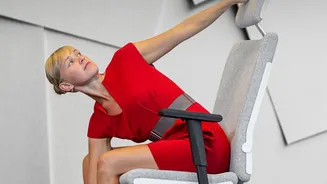







The Hidden Costs of Sitting Still
The human body is designed for movement, yet modern work often forces us into a chair for hours on end. This prolonged sitting has consequences that go beyond a stiff back. When you remain seated, your body's major muscles, especially in the legs, become
inactive. These muscles play a crucial role in pumping blood back to the heart. When they don't contract, circulation slows down, which can lead to blood pooling in the lower legs, causing swelling and fatigue. This sluggish blood flow means less oxygen is delivered throughout your body, including to your brain, which can make you feel sluggish and unable to concentrate. Over time, this sedentary pattern is linked to a higher risk of serious health issues, including heart disease, diabetes, and obesity.
How Standing Ignites Your System
Introducing standing intervals into your day is about more than just a change of scenery; it's a way to reactivate your body's systems. When you stand, you engage the large muscles in your legs, back, and core. This simple act of muscle engagement is enough to stimulate better blood flow, counteracting the circulatory slowdown caused by sitting. Improved circulation means more oxygen and nutrients are delivered to your brain and muscles. This is why many people report feeling more alert, focused, and energised when they break up long periods of sitting. In fact, some studies have shown that employees who use sit-stand desks feel more energised and productive throughout the day.
Finding the Perfect Sit-Stand Rhythm
The goal is not to trade a full day of sitting for a full day of standing, which comes with its own set of problems like foot pain and back fatigue. The real benefit comes from dynamic movement—alternating between the two postures. Experts suggest that a good starting point is a 1:1 ratio, such as sitting for 30 minutes and then standing for 30 minutes. Other popular ratios include sitting for 45 minutes and standing for 15. The key is to avoid any single static posture for too long. Set a timer to remind yourself to switch positions. After a couple of weeks, you'll likely start to feel a natural urge to change posture, a sign that your body is adapting to a more active workday. The most important rule is to listen to your body; if you feel tired or sore, it's time to switch.
Setting Yourself Up for Success
To get the most out of your standing intervals, proper ergonomics are essential for both positions. When standing, adjust your desk so your elbows are at a roughly 90-degree angle, with your wrists straight and forearms parallel to the floor. Your monitor should be at arm's length, with the top of the screen at or just below eye level to prevent neck strain. Wear supportive footwear and consider an anti-fatigue mat to reduce pressure on your feet and legs. Remember to shift your weight occasionally and avoid locking your knees. By creating an ergonomic setup, you make it comfortable and sustainable to switch between sitting and standing, ensuring you reap the benefits without introducing new aches and pains.