







The Growing Cost of a European Dream
The allure of strolling through Parisian streets or witnessing the Swiss Alps is undeniable, but it now comes with a hefty price tag that is becoming harder for many Indian tourists to justify. Recent data shows a significant spike in the cost of a European
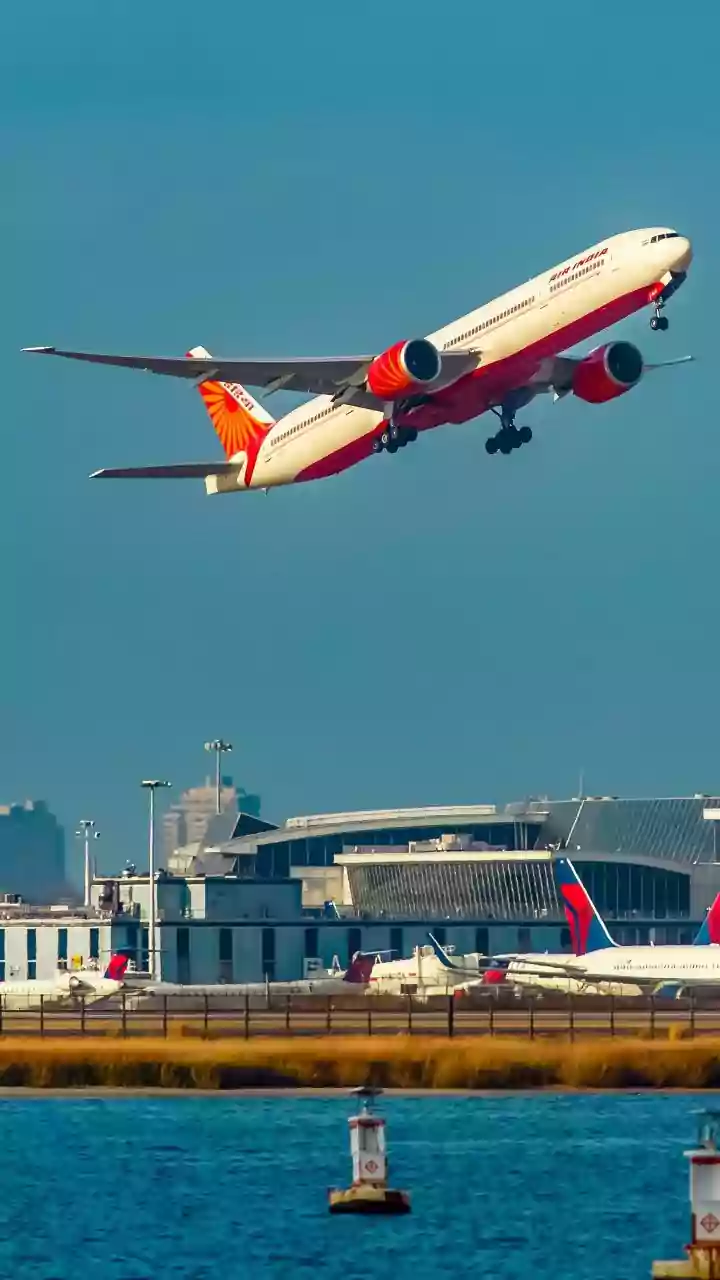
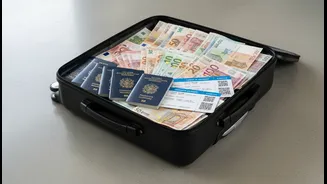
holiday. A seven-day trip to Switzerland, for instance, can now cost between ₹2.5 to ₹4.5 lakh per person. A similar trip to other Western European countries like France, Italy, or the UK hovers around the ₹2.5 to ₹3.5 lakh mark. Several factors are contributing to this price pressure. The Indian Rupee's performance against the Euro and the US Dollar has made everything from a cup of coffee to a museum ticket more expensive. On top of that, flight fares to Europe have surged, partly due to geopolitical tensions in West Asia forcing airlines to take longer routes, which increases fuel consumption and ticket prices. The Schengen visa process, while a gateway to 29 countries, is another hurdle. The non-refundable fee is €90 (around ₹8,200-₹9,100), but additional service charges can bring the total cost per person to between ₹11,000 and ₹16,000. Faced with these escalating costs, many Indian travellers are beginning to ask if the dream is still worth the price.
Asia Rolls Out the Welcome Mat
As Europe becomes more expensive, several Asian nations have seized the opportunity by making travel for Indians easier and more affordable than ever. Countries like Thailand, Malaysia, and Sri Lanka have introduced visa-free travel for Indian passport holders, eliminating a significant cost and administrative hurdle. Thailand offers a 60-day visa-free stay, while Malaysia allows for 30 days. Vietnam has also seen a massive surge in popularity thanks to its simple e-visa system and incredible value proposition. Travel companies have noted a tangible shift in booking patterns. One report indicated that bookings for Europe in the summer of 2026 declined by 10-15% compared to the previous year. In contrast, bookings for Asian destinations like Japan, Vietnam, and Thailand saw growth between 30% and 40%. This isn't just about finding a cheaper alternative; it's about a strategic pivot to destinations that are actively courting the booming Indian outbound tourism market, which is projected to be worth over USD 23 billion in 2026.
More Bang for Your Rupee
The value-for-money proposition in Asia is a compelling driver of this trend. While a mid-range 7-10 day trip to Europe might cost upwards of ₹1.5 lakh per person, a similar duration holiday in many Southeast Asian countries can be enjoyed for a fraction of that. The cost of accommodation, food, and local activities in places like Vietnam, Thailand, or Indonesia is significantly lower than in their European counterparts. This affordability allows travellers to experience luxury and premium services that might be out of reach in Europe. Five-star hotels, private tours, and fine dining experiences become accessible. For example, a traveller on a budget of ₹1.5 lakh could have a constrained, budget-conscious trip in Europe, whereas the same amount could fund a comfortable, experience-rich holiday in Southeast Asia. The shorter flight times, typically 4-6 hours, also mean less travel fatigue and more time to enjoy the destination.
A Shift in Aspiration
The move towards Asian destinations is more than just a financial decision; it represents a maturation of the Indian traveller. The definition of a 'dream holiday' is evolving. While Europe remains aspirational, travellers are increasingly prioritising novel experiences, convenience, and cultural exploration over traditional status symbols. Destinations like Vietnam, Japan, and Indonesia offer unique cultural landscapes, rich history, and world-renowned cuisine. The accessibility of these destinations has opened up international travel to a wider segment of India's growing middle class. The ease of planning a spontaneous trip to a visa-free country nearby is a powerful incentive. This trend suggests that Indian travellers are becoming more discerning, looking for a blend of affordability, accessibility, and authentic experiences. They are not just following old travel scripts but are actively writing new ones, with Asia playing a leading role.