

The Great Indian Breakfast Shift
For decades, the colourful boxes of processed breakfast cereals symbolised modern convenience in Indian kitchens. They promised a fast, easy, and supposedly healthy start to the day. However, a noticeable shift is underway. An increasing number of health-conscious
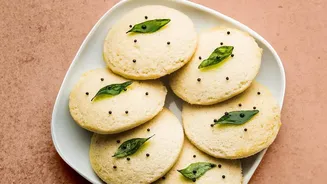
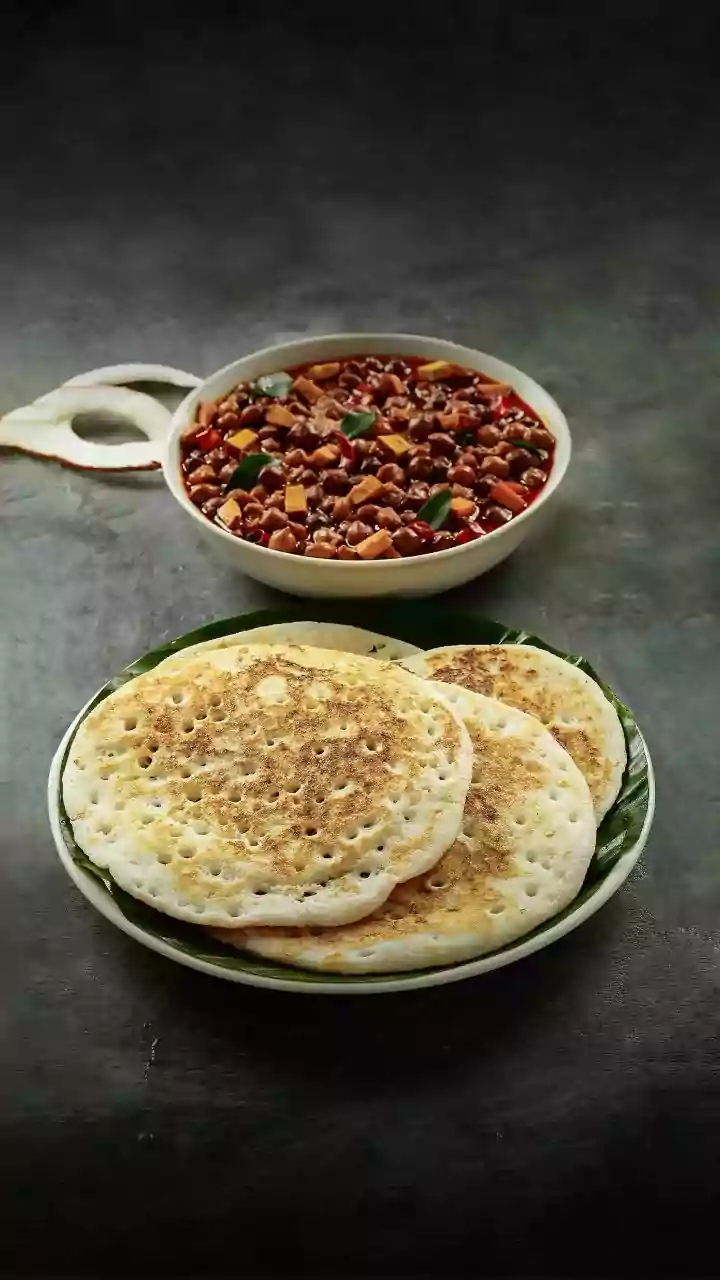
urban consumers are looking past these sugary, processed options and returning to their roots. Traditional breakfasts like steamed idlis and fresh appams, once considered too time-consuming for weekday mornings, are making a powerful comeback, driven by a renewed focus on nutrition, taste, and surprisingly, convenience. While it's not a total abandonment, the trend indicates a significant reconsideration of what constitutes a truly good breakfast. Market reports show dwindling volumes for some cereals like cornflakes, while the ready-to-cook market, especially for traditional batters, has seen a surge in new households.
The Mighty Millet's Grand Return
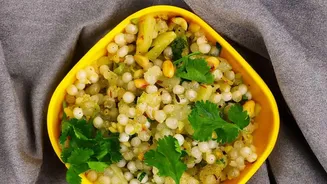
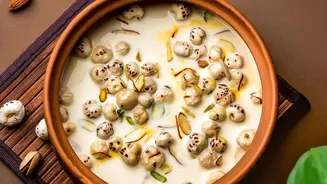
At the heart of this breakfast revolution is the humble millet. Once a staple grain across India, it was gradually replaced by wheat and rice. Now, it’s back in the spotlight as a nutritional powerhouse. Millets are naturally gluten-free, rich in dietary fibre, and packed with essential minerals like iron, magnesium, and calcium. Unlike refined cereals which can cause a rapid spike and crash in blood sugar, millets have a low glycemic index, providing a sustained release of energy that keeps you full and focused through the morning. This makes millet-based dishes like idlis ideal for managing blood sugar levels and overall health. The recent push from government initiatives and a general wellness wave have cemented millets as a 'superfood' in the minds of many Indians.
Redefining 'Quick and Easy'
The primary advantage of processed cereal was always speed. Tearing open a box is undeniably faster than grinding batter. But innovation has closed this gap significantly. The market for ready-to-cook (RTC) foods in India is booming, with a projected growth rate of nearly 16.41% annually in the coming years. A huge part of this market is fresh, pre-made idli and dosa batter. Brands have perfected batters that are ready to use, eliminating the need for soaking and grinding. High-quality millet idli mixes are also widely available, requiring only the addition of water before steaming. Modern kitchen appliances like electric steamers and non-stick appam pans further slash preparation time. A plate of hot, fluffy millet idlis or soft, lacy appams can now be on the table in under 15 minutes, rivalling the time it takes to prepare and eat a bowl of cereal.
A Choice Beyond Just Health
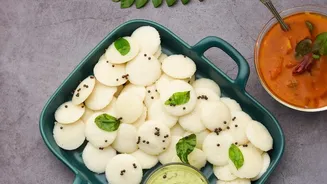
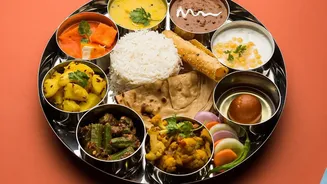
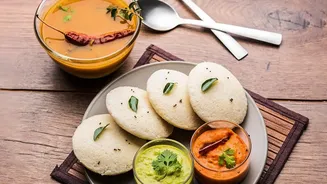
This shift isn't just a health fad; it's a cultural one. Many urban Indians are seeking a connection to the foods they grew up with. There's a deep sense of satisfaction that comes from a warm, savoury, and freshly prepared meal that a cold bowl of processed flakes often fails to provide. A plate of steamed idlis with sambar and chutney is a nutritionally balanced meal, offering a complete protein profile from the combination of grains and lentils. It’s a meal that provides comfort and a sense of home. This return to tradition isn’t about rejecting modern life but enhancing it. It’s about choosing foods that are not only good for the body but also satisfying for the soul, a stark contrast to the often one-dimensional sweetness of many breakfast cereals.
The Nutritional Verdict
When placed side-by-side, the nutritional differences are stark. A standard serving of many popular breakfast cereals is high in sugar and refined carbohydrates, with minimal fibre. In contrast, a serving of two or three steamed millet idlis is low in fat, contains no added sugar, and is rich in protein and dietary fibre. For instance, one small ragi idli contains around 52 calories and is a great source of complex carbohydrates. The high fibre content aids digestion and promotes a feeling of fullness, preventing mid-morning snack cravings. Appams, traditionally made from a fermented rice batter, are similarly light and easy to digest. They offer a simple, wholesome source of energy without the unhealthy additives, artificial flavours, and preservatives found in many packaged cereals. Ultimately, the choice is between a highly processed product and a fresh, minimally processed meal that is inherently more nutritious.