
Become a Balcony Light Expert
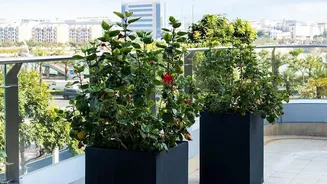
Before buying a single plant, the most crucial step is to observe how sunlight moves across your balcony. The 'right plant, right place' mantra is everything in container gardening. Spend a day noting when and where the sun hits. A south-facing balcony typically
gets strong, direct sun for over six hours, making it 'full sun'. East-facing balconies get softer morning sun, while west-facing ones receive intense afternoon heat; both are often considered 'partial sun' (3-6 hours). A north-facing balcony might get very little direct sun, classing it as 'full shade'. Nearby buildings or trees can also create pockets of shade. Understanding your specific light pattern is the foundation of a successful garden.
Choose Plants That Match Your Light
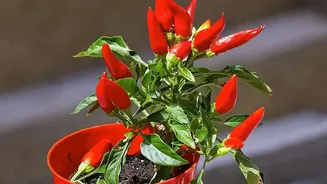
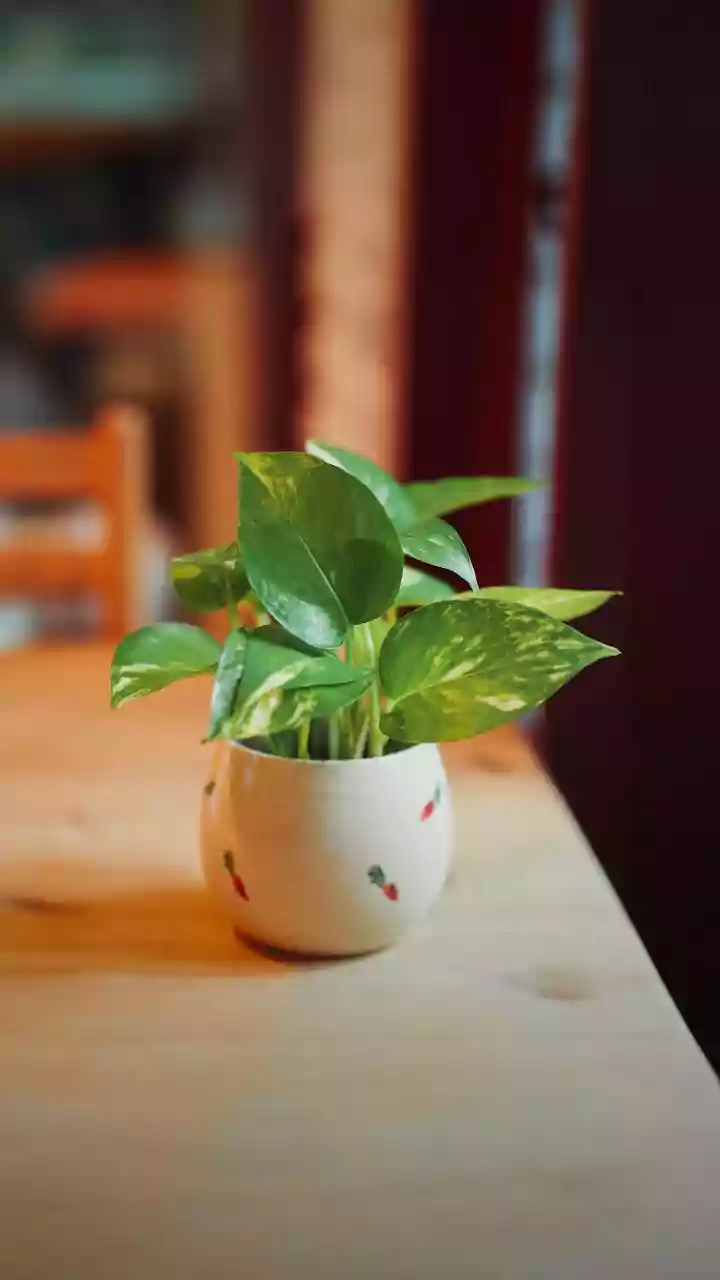
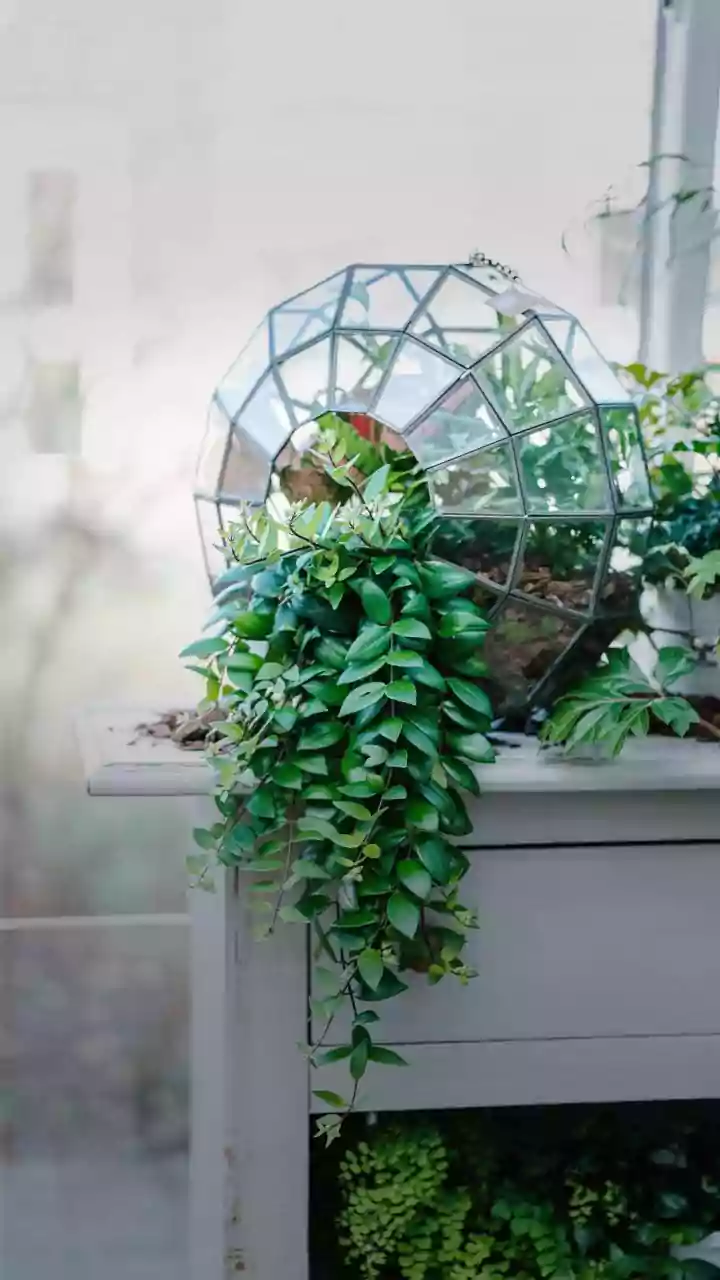
Once you know your light conditions, you can choose plants that will thrive. For sun-drenched, south-facing balconies, consider heat-loving bloomers like marigolds, bougainvillea, hibiscus, and verbena, or fruiting plants like chillies and tomatoes which need 5-6 hours of sun. For balconies with partial sun, many herbs like basil, mint, and coriander will do well. Flowering options for part-shade include impatiens, begonias, and fuchsias. For shadier, north-facing spots, focus on lush foliage. Plants like coleus, caladiums, pothos (money plant), and most ferns prefer indirect light and will flourish without direct sun.
The Golden Rules of Watering
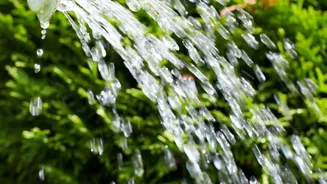
Overwatering is the most common mistake beginners make. Instead of watering on a rigid schedule, get into the habit of checking your plants first. The best method is the simple 'finger test': stick your finger about an inch or two into the soil. If it feels dry at that depth, it's time to water. If it's still damp, wait another day. When you do water, do it thoroughly until water runs out of the drainage holes at the bottom of the pot. This ensures all the roots get a drink and flushes out any salt buildup. Always use pots with drainage holes to prevent waterlogging, which leads to root rot.
Create a Smart Watering Routine
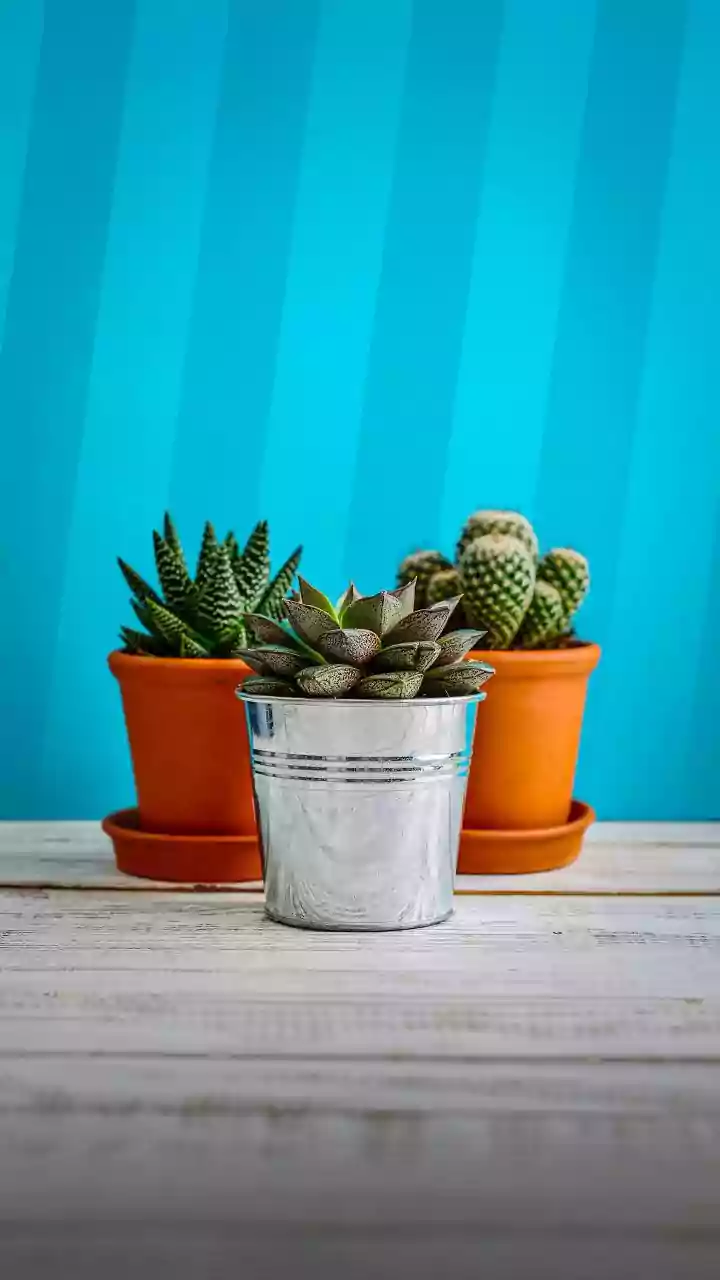
A schedule should be a routine for checking, not a strict calendar for watering. Aim to check your plants daily in hot, windy weather and perhaps every few days in cooler or monsoon seasons. The best time to water is in the early morning. This allows the plant to absorb moisture before the heat of the day and lets excess water on the leaves evaporate, reducing the risk of fungal diseases. Evening watering is the next best option. Avoid watering in the hot afternoon sun, as much of it will evaporate before reaching the roots. Plants in smaller pots or terracotta pots will dry out much faster than those in larger, plastic containers.
Beyond the Basics: Soil and Food
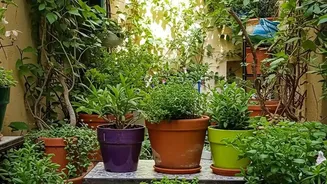
While light and water are paramount, two other elements will set you up for success. First, use a quality potting mix, not soil from a garden. A good mix for containers is often a blend of soil, cocopeat, and compost, which holds moisture while still allowing for good drainage and aeration. Second, remember that container plants have limited access to nutrients. After the first month or two, you'll need to provide food. A simple, all-purpose liquid fertiliser, used according to the package directions every few weeks during the growing season, is an easy way to keep your plants fed and flourishing.