






Meet the Tiny Powerhouse: Sabja
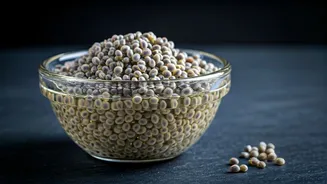
You’ve likely seen them before—tiny, black, tear-drop shaped seeds floating in a glass of falooda or a refreshing sharbat. These are basil seeds, commonly known as sabja in India. Derived from the sweet basil plant (Ocimum basilicum), these seeds are often
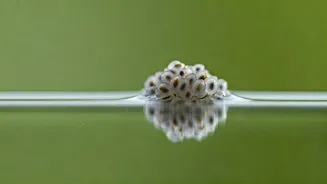
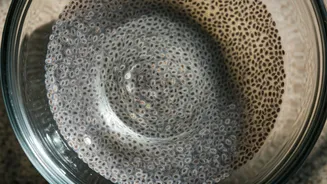
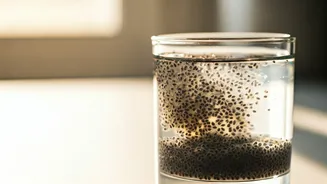
mistaken for chia seeds, but they are distinct. When soaked in water, sabja seeds develop a translucent, gelatinous coating around them, swelling up to several times their original size. This unique property is the key to their hydrating and health-promoting benefits, making them a staple in Indian households for generations, especially during the hot summer months.
The Truth About 'Instant' Hydration
The headline claim of "instant hydration" deserves a closer look. While drinking water with basil seeds won't magically hydrate you faster than water alone, it offers a more sustained form of hydration. The gel-like coating that forms around the seeds is primarily water. When you consume this, your body digests it slowly, leading to a gradual release of water into your system. This helps you stay hydrated for longer periods and can prevent the rapid loss of water, which is common when you're sweating heavily. Furthermore, sabja seeds are known for their cooling properties (taseer), a concept deeply rooted in Ayurveda. They help lower body heat, which is why they are a go-to remedy for beating the summer heat and providing a feeling of relief and refreshment.
How to Prepare Basil Seed Gel
Making basil seed gel is incredibly simple and requires no special equipment. It's a quick process that you can easily incorporate into your daily routine. 1. **Measure the Seeds:** Start with one to two teaspoons of sabja seeds. A little goes a long way, as they expand significantly. 2. **Add Water:** Place the seeds in a glass and add about half a cup of warm water. Using warm water helps the seeds to swell faster and more fully compared to cold water. 3. **Wait and Watch:** Let the seeds soak for about 10 to 15 minutes. You will see them begin to absorb the water and form their signature gelatinous outer layer. Stir occasionally to prevent clumping. 4. **Ready to Use:** Once the seeds have fully swelled and have a soft, jelly-like coating, your gel is ready. You can now add this mixture to a large bottle of water, a glass of juice, or any other beverage of your choice. It's best to prepare it fresh, but you can store soaked seeds in the refrigerator for a day or two.
More Than Just a Hydration Hack
Beyond their cooling and hydrating abilities, sabja seeds are packed with other health benefits that make them a worthy addition to your diet. They are exceptionally rich in soluble fibre, which is excellent for digestive health. This fibre adds bulk to your stool, promoting regular bowel movements and helping to relieve constipation. The high fibre content also contributes to a feeling of fullness, or satiety. Consuming basil seeds before a meal can help curb your appetite and prevent overeating, making them a useful tool for weight management. Some preliminary studies also suggest that the fibre in sabja seeds may help in regulating blood sugar levels by slowing down the conversion of carbohydrates into glucose. They are also a source of essential nutrients like iron, calcium, and magnesium.
Easy Ways to Enjoy Sabja
While adding the gel to plain water is the easiest method, there are many other delicious ways to consume these versatile seeds. * **Nimbu Pani:** Give your classic lemon water a boost by stirring in a spoonful of soaked sabja. * **Smoothies:** Add them to your morning smoothie for extra texture and fibre without altering the taste. * **Yogurt or Curd:** Mix soaked seeds into a bowl of dahi for a cooling, filling, and gut-friendly snack. * **Milkshakes and Falooda:** Recreate the classic dessert drink at home with rose syrup, milk, vermicelli, and a generous helping of sabja. * **Juices:** Stir them into your favourite fruit juices for an interesting texture and added nutritional punch.