





The Backlash Against the Algorithm
For years, fashion was dictated from the top down—by runways, magazines, and celebrities. [5] Then came social media, which democratised trendsetting but also created an overwhelming cycle of micro-trends. [5] Gen Z, the first generation of true digital
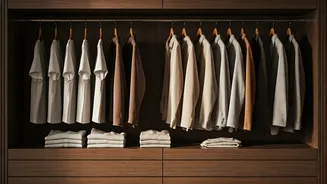
natives, has lived their entire lives inside this content storm. [15] The result is a paradoxical relationship with fashion: while they use platforms like TikTok and Instagram for discovery, they are also exhausted by the pressure to keep up. [5, 20] This has led to a rejection of the algorithmic sameness that promotes fleeting fads, from laughing emojis to specific sock styles. [13] The constant churn of disposable clothing is now seen less as a wardrobe update and more as what it is: clutter. This digital fatigue is pushing them to seek something more meaningful and lasting.
The Rise of Hyper-Personalisation
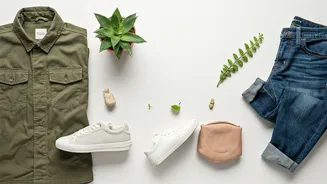
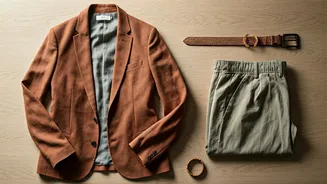
In response to the sea of sameness, Gen Z is championing “hyper-personal style.” [21] This isn’t just about having a unique aesthetic; it's about curating a wardrobe that is a direct reflection of one's identity, values, and even politics. [21, 29] For this generation, style is a form of self-branding where every piece tells a story. [24] This translates into what some are calling "chaotic customisation"—mixing aesthetics like streetwear with Y2K sparkle or thrifted items with tech-inspired details. [26] It’s a move away from wanting to belong and a move towards wanting to stand out. [24] Brands are noticing this shift, with a resurgence in bespoke and made-to-measure clothing in markets like India, which allows for deep personal expression beyond standard sizes and trends. [2, 4, 9]
Technology as the New Tailor
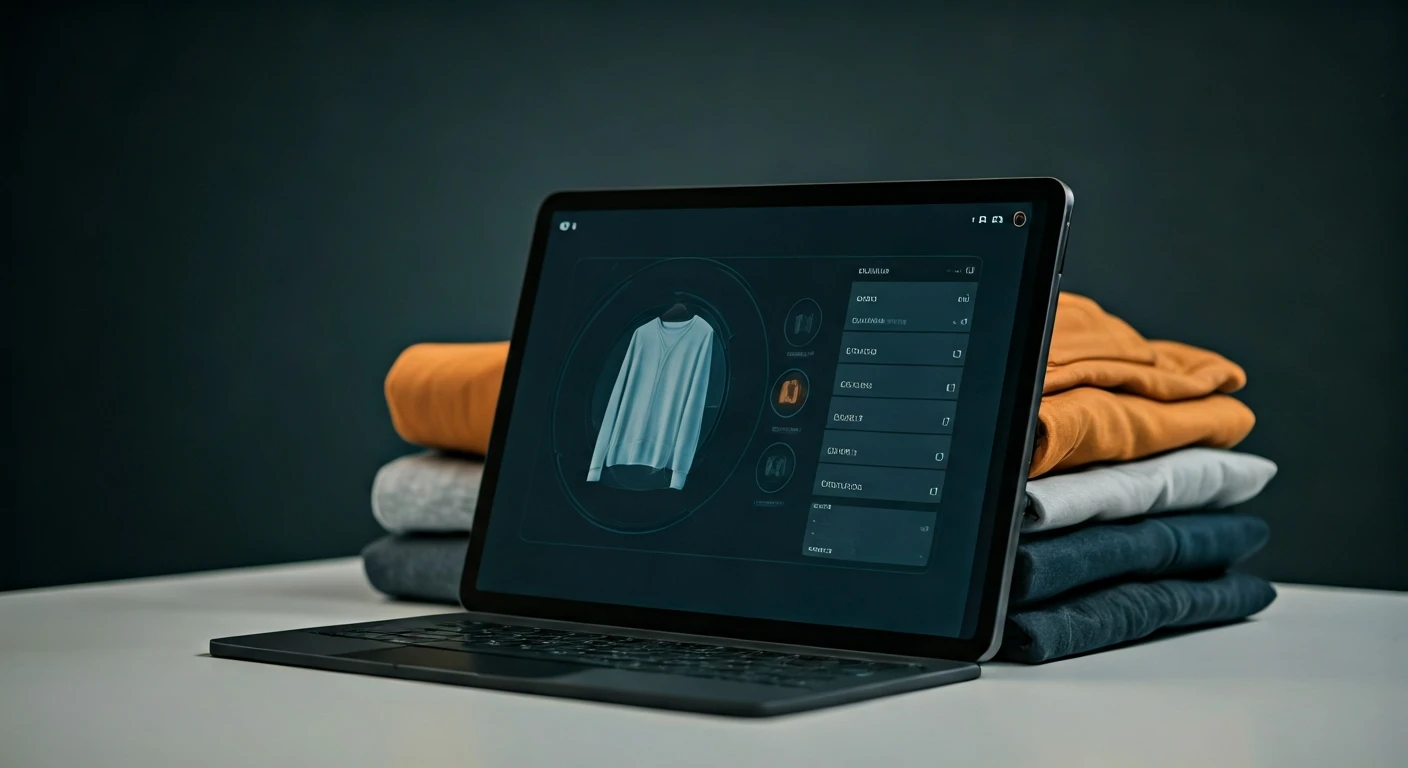
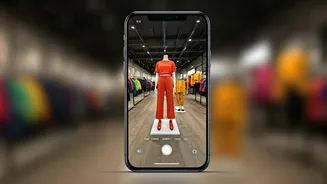
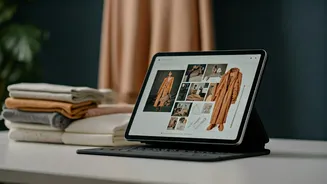
Technology is no longer just a sales channel; it's a tool for creation and customisation. Artificial intelligence (AI) and augmented reality (AR) are at the forefront of this shift. [25] AI-powered tools can provide personalised recommendations based on an individual's browsing history and past purchases, moving beyond generic trends. [7, 15] Virtual try-on technologies and AR fitting rooms allow consumers to visualise how clothes will look on their own bodies, reducing the guesswork of online shopping and boosting confidence in their choices. [7, 12, 22] These technologies are enabling a new level of personalisation at scale, helping brands meet Gen Z's expectation that their individuality will be recognised. [7, 10] For a generation frustrated with what traditional fashion offers, these tools provide an alternative way to consume and invest in style. [18]
Sustainability as a Statement
The move away from clutter is also deeply connected to Gen Z's environmental consciousness. This generation shows a strong preference for sustainable practices, with a significant percentage stating it influences their purchasing decisions. [14, 17] There's a growing awareness of the waste generated by fast fashion, leading many to seek alternatives. [16] This has fueled a boom in the second-hand market, with thrifting becoming a mainstream way to acquire unique pieces without the environmental footprint. [16] However, a notable "values-action gap" exists, where the desire for sustainability clashes with the affordability and trend-driven nature of fast fashion. [14, 20] Despite this, the underlying trend is clear: Gen Z increasingly views sustainability not just as a bonus, but as a core part of their personal brand, and they are wary of corporate greenwashing. [17, 19]
What This Means for Fashion's Future
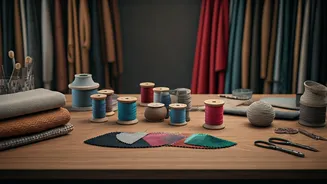
For brands, the message is clear: authenticity and personal connection are the new currency. The one-size-fits-all model is losing its appeal. Success now hinges on the ability to offer customisation, tell authentic stories, and align with the values of a generation that demands more. [29] This doesn't mean the end of trends, but rather a shift in how they are interpreted. In India, for example, the growing made-to-measure market is leveraging technology to combine traditional craftsmanship with modern personalisation, offering a path forward. [2, 8, 9] The future of fashion isn't about providing more choices, but about providing the *right* choices—the ones that allow an individual to express who they are. It’s about creating a memorable experience, not just selling a product. [4]