





In the world of healthy eating, it’s a classic showdown: crunchy, sweet carrots versus vibrant, leafy spinach. We often wonder which one packs a bigger nutritional punch. But the real answer isn't about choosing a winner.
The Bright Power of Carrots
Carrots are most famous for their
high content of beta-carotene, a compound that the body converts into Vitamin A. This vitamin is crucial for maintaining good vision, especially in low light, as well as supporting a healthy immune system and skin. A single medium carrot can provide a significant portion of your daily Vitamin A needs. Carrots are also a good source of fiber, which aids digestion, and other beneficial compounds like Vitamin K1 and potassium. Interestingly, while raw carrots are a fantastic healthy snack, cooking them can actually make their beta-carotene more available for your body to absorb. Adding a little healthy fat, like a drizzle of olive oil, further boosts this absorption.
The Green Strength of Spinach
Spinach boasts an entirely different, yet equally impressive, set of nutrients. It is an absolute powerhouse of Vitamin K, which is essential for blood clotting and bone health. In fact, just one serving can exceed your daily requirement. Spinach is also rich in iron, a mineral vital for creating haemoglobin to transport oxygen in the blood, and folate (Vitamin B9), which is critical for cell growth and function. It's also packed with antioxidants like lutein and zeaxanthin, which are important for eye health. While raw spinach is great in salads, cooking it has a double benefit: it makes nutrients like iron more accessible and reduces levels of oxalates, compounds that can hinder mineral absorption.
Beyond the Versus: A Tale of Two Skill Sets
Comparing carrots and spinach is like comparing two different specialists on a team. Carrots are the vision and immunity experts, thanks to their massive dose of Vitamin A. Spinach, on the other hand, excels in bone health and blood support with its high levels of Vitamin K and iron. Carrots offer more beta-carotene, while spinach provides vastly more Vitamin K, folate, and iron. Asking which one is 'better' misses the point entirely. They are not in competition; they are complementary. One provides what the other lacks, and together they contribute to a much wider range of health benefits than either could alone. This highlights a fundamental principle of nutrition: no single food can do it all.
Why Eating the Rainbow Is Non-Negotiable
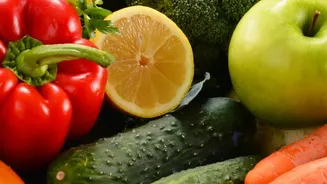
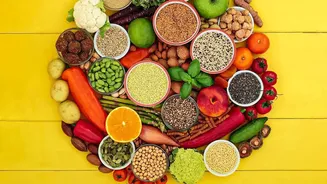
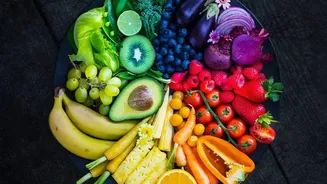
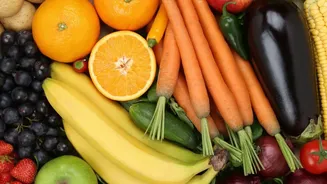
The real hero of our vegetable story is variety. Relying on just one or two favourite vegetables means you're missing out on thousands of beneficial plant compounds, known as phytonutrients. These compounds are what give vegetables their distinct colours, tastes, and aromas. Red vegetables, like tomatoes, contain lycopene, an antioxidant linked to heart health. Blue and purple foods, such as eggplant and purple cabbage, contain anthocyanins, which support brain health. Green vegetables are rich in compounds that may help protect against certain cancers. Each colour group provides a unique set of tools for your body to fight off disease, reduce inflammation, and function optimally.
Simple Ways to Diversify Your Plate
Incorporating more variety doesn't have to be complicated. Start by aiming for at least two different colours of vegetables with every meal. Think beyond your usual choices in the produce aisle and challenge yourself to try one new vegetable each week. Frozen vegetables are a convenient and affordable way to keep a diverse mix on hand. You can easily add a handful of mixed vegetables to soups, stirfries, curries, and pasta sauces. Even something as simple as adding shredded carrots and spinach to your sandwiches or wraps can make a difference. The goal is progress, not perfection. Making small, consistent changes to increase the variety of vegetables in your diet is one of the most effective strategies for longterm health.