






Beyond The Price Tag
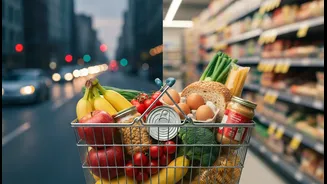
On the surface, the debate seems simple. A packet of instant noodles is cheaper than a kilogram of fresh vegetables and dal. While some analyses suggest a basic, nutritious home-cooked meal can be surprisingly affordable, this often only accounts for the most
minimal ingredients. These calculations may not include items like fruits, a variety of vegetables, or different protein sources that constitute a truly balanced diet. Furthermore, the reliance on ultra-processed foods, though seemingly cheap per meal, can lead to a cycle of accelerated hunger due to low fibre and protein, ultimately costing more in the long run. In a nation where food can make up nearly half of a household's spending, especially in rural areas, even small price fluctuations in essential commodities can force families to cut back on nutritious items first.
The Currency of Time
One of the most significant, yet invisible, costs of a healthy diet is time. Cooking a meal from scratch—involving cleaning, chopping, and monitoring—is a time-intensive process. For a daily wage labourer, a dual-income urban couple, or a single parent, spending an hour or more on meal preparation is a luxury they may not have. This is a burden that disproportionately falls on women, who in India already spend significantly more time on unpaid domestic work compared to men. This phenomenon, known as 'time poverty,' pushes people towards convenient, ready-to-eat options. The choice is often not between a healthy meal and an unhealthy one, but between a quick meal and no meal at all. This lack of time for rest and proper meal preparation can lead to chronic stress, which in itself has negative metabolic consequences.
The Last-Mile Problem of Access
What if fresh, affordable food is simply not available where you live? This is the reality for those living in 'food deserts'—areas, both urban and rural, with limited access to fresh produce. Getting to a market with a good selection of vegetables and fruits can mean spending extra money on transport and dedicating a significant portion of the day to the journey. For many, the local kirana store, which primarily stocks long-shelf-life processed goods, is the only viable option. Inadequate infrastructure, such as poor roads and a lack of cold storage facilities, exacerbates this issue, particularly in rural India. A significant percentage of fresh produce spoils before it even reaches consumers, driving up prices and reducing availability. This forces communities into a reliance on cereal-based diets that may provide calories but lack essential micronutrients, contributing to India's double burden of malnutrition—the coexistence of undernutrition and obesity.
The Unseen Burdens of Skill and Energy
Beyond money, time, and transport, there are other subtle barriers. Cooking requires knowledge—of recipes, of how to balance flavours, and how to make the most of ingredients. For young people living away from home or those who never had the opportunity to learn, this skill gap can make cooking feel daunting. There's also the cost of mental and physical energy. After a long day of strenuous work, the motivation to plan and execute a complex meal is often low. The mental load of planning a week's worth of diverse, healthy meals is a task in itself. In many households, social norms also dictate who eats first and what they eat, with women and girls often eating last and least, further compromising their nutritional intake. These factors combined show that a healthy diet is not merely a transaction at the grocery store; it's a culmination of resources that are not equally available to all.