


The Two Types of Iron
Iron is an essential mineral that helps carry oxygen in your blood, keeping you energised and focused. It comes in two forms: heme and non-heme. Heme iron, found in animal products like meat, fish, and poultry, is easily absorbed by the body. Non-heme
iron, however, is found in plant-based foods like lentils, beans, tofu, and leafy green vegetables like spinach and kale. While abundant, non-heme iron is trickier for our bodies to absorb efficiently. Absorption rates can be as low as 2-10%, which is why those on vegetarian or vegan diets need to be strategic about their iron intake. This is where a powerful nutrient partner comes into play: Vitamin C.
The Scientific Spark: How Vitamin C Helps
Vitamin C, or ascorbic acid, is scientifically proven to be a potent enhancer of non-heme iron absorption. Its magic lies in its ability to transform the iron on a chemical level. Plant-based iron is typically in a ferric (Fe³⁺) state, which our gut struggles to take in. Vitamin C acts as a reducing agent, converting this iron into the more soluble ferrous (Fe²⁺) state, which is the specific form our intestines can easily absorb. Furthermore, Vitamin C can form a soluble complex with the iron, which helps protect it from other dietary compounds, known as inhibitors, that can block absorption. These inhibitors, such as phytates in whole grains and polyphenols in tea and coffee, are common in many plant-forward diets.
Unlocking 'Double' Absorption and More
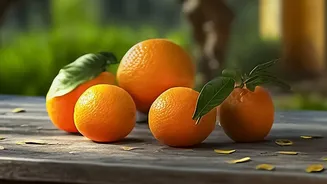
The headline's claim of 'doubling' absorption is not an exaggeration; in some cases, the boost is even more significant. Research has shown that adding Vitamin C to a meal can increase non-heme iron absorption several times over. Studies have demonstrated increases of up to 300%, or four-fold, depending on the meal composition. Even small amounts can make a big difference. An intake of just 25-50 mg of Vitamin C per meal can dramatically improve iron uptake. For context, a single orange contains well over the daily requirement of Vitamin C, making it a powerful tool for unlocking the iron potential of your plant-based meals. The enhancement is directly proportional to the amount of Vitamin C present, so being generous with it at mealtimes is a great strategy.
Perfect Pairings for Your Plate
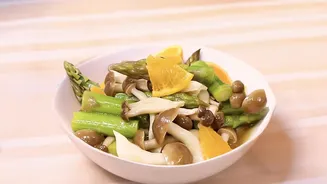
Combining leafy greens with a citrus element is an easy and delicious way to put this science into practice. Think beyond just a glass of orange juice on the side. A squeeze of fresh lemon or lime juice over a spinach or kale salad is a classic and effective method. Creating a simple vinaigrette with lemon juice, olive oil, and herbs to toss with your greens not only adds flavour but also boosts nutrient uptake. You can also incorporate citrus segments directly into your salads. A spinach salad with orange or grapefruit segments, nuts, and seeds is a fantastic combination of iron, Vitamin C, and healthy fats. Even cooking your greens with a splash of citrus can help; try adding a squeeze of lime to your palak dal or other lentil and greens-based dishes just before serving.
Beyond Citrus: Other Vitamin C Powerhouses
While citrus fruits are excellent and readily available sources, many other vegetables and fruits are also packed with Vitamin C. Bell peppers, especially the red and yellow varieties, are fantastic sources. Tomatoes, broccoli, strawberries, and kiwi are also rich in this essential vitamin. Broaden your pairings to maximise your benefits. Try a spinach and lentil curry with added tomatoes. Sauté kale with chopped red bell peppers for a colourful and nutrient-dense side dish. Or blend a green smoothie with spinach, a handful of strawberries, and a kiwi for an iron- and Vitamin C-packed start to your day. The key is to consciously include a potent Vitamin C source in every meal that features plant-based iron.