

Why Support Your Plants?
Leaving plants to fend for themselves can sometimes lead to trouble. Vining plants may sprawl across the ground, while top-heavy ones can snap in the wind or rain. Providing a stake, cage, or trellis offers numerous benefits. It keeps stems and branches
from breaking under the weight of their own fruit. It also improves air circulation around the foliage, which is a key factor in reducing the risk of fungal diseases. Furthermore, keeping vegetables and flowers off the damp soil prevents rot and keeps them clean and easier to harvest. For those with limited room, growing vertically is an excellent way to maximize your garden space.
Stakes for Tall and Top-Heavy Varieties
Staking is the classic solution for plants that grow tall but have slender or brittle stems. This includes many popular perennials like delphiniums and dahlias, which can be damaged by strong winds. In the vegetable patch, indeterminate tomatoes, which continue to grow and produce fruit all season, are prime candidates for staking. To do it right, insert a sturdy stake—at least two inches thick and several feet long—into the ground at the time of planting. Placing it early prevents you from damaging the plant's developing root system later on. As the plant grows, use soft twine or plant ties to loosely attach the main stem to the stake in a figure-eight loop to allow for movement.
Cages for Bushy and Sprawling Plants
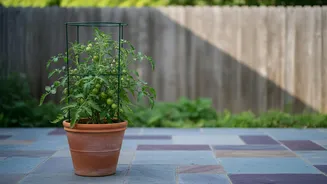
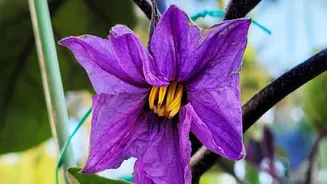
For plants that tend to grow into a bushy, sprawling shape, cages offer excellent all-around support. Determinate tomato varieties, which grow to a fixed size and produce their fruit at once, do well in standard conical cages. Peppers and eggplants also benefit from the support of a cage to hold up their fruit-laden branches. You can buy pre-made cages or fashion your own from sturdy wire mesh, such as concrete reinforcing wire. A wider cage provides better air circulation. Like stakes, it's best to place the cage over the young plant early in its growth so it can grow up and through the structure naturally.
Trellises for Ambitious Climbers
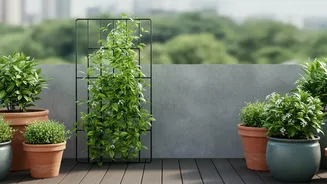
A trellis is the perfect support for vining plants that naturally want to climb. Pole beans, peas, cucumbers, and even some types of squash and melons are all excellent candidates for trellising. These plants use tendrils or twining stems to grab onto a structure and pull themselves upward. Growing these crops vertically on a trellis not only saves a significant amount of garden space but can also lead to higher yields and straighter, cleaner fruit. There are many trellis options, from simple netting strung between two posts to more robust A-frame structures that can support heavier crops. Gently guide young vines toward the trellis to get them started, and they will usually take it from there.