





Decoding the Label
Before diving into the regions, let’s quickly break down the terms. 'Single-origin' means the coffee comes from a specific, traceable geographical area—be it a single farm or a cooperative within a region. This isn't about being better than a blend; it's
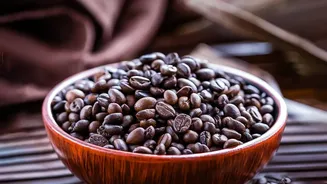
about showcasing the unique character of one place. 'Arabica' is a species of coffee known for its complex, aromatic, and less bitter profile compared to the bolder Robusta. Finally, 'specialty coffee' refers to beans graded over 80 points by certified tasters for their exceptional flavour clarity, aroma, and balance, ensuring a high-quality cup. Almost all Indian specialty coffee is shade-grown, meaning it matures slowly under a canopy of native trees, which enhances its flavour complexity.
Chikmagalur: The Historic Birthplace
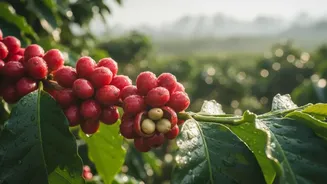
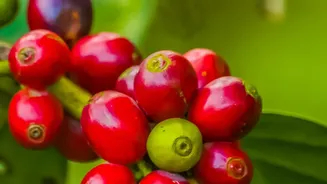
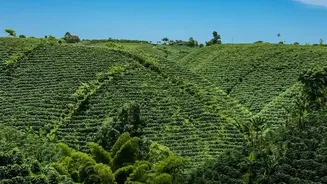
The story of Indian coffee begins in Chikmagalur, Karnataka, where the Sufi saint Baba Budan is said to have planted the first seven coffee beans in the 17th century. This legacy continues in the region’s high-altitude estates, situated between 3,000 and 3,500 feet in the Western Ghats. This elevation and cool climate cause the coffee cherries to ripen slowly, developing a richer, more nuanced flavour. Chikmagalur is known primarily for its Arabica beans, which are celebrated for their mild acidity, medium body, and classic flavour profile. A cup of Chikmagalur coffee often carries gentle floral aromas and taste notes of chocolate, nuts, and a hint of citrus. Sustainable practices like intercropping with spices and fruits are common, adding to the soil's richness and the coffee's subtle complexity.
Coorg: The Spice-Infused Cup
Also in Karnataka, Coorg (or Kodagu) is India’s largest coffee-producing district. The coffee here grows in a unique ecosystem, often alongside spices like pepper and cardamom. This inter-cultivation is not just for agricultural diversity; it subtly influences the coffee's final taste. Coorg Arabica is known for having a balanced, medium-to-full body with low acidity. Its flavour profile is distinctively rich and earthy, often revealing notes of cocoa and warm spices, with a sweet aftertaste. While Chikmagalur’s profile is often described as classic and bright, Coorg’s is seen as comforting and robust, making it a favourite for both traditional South Indian filter coffee and modern espresso-based drinks.
Araku Valley: The Organic Uprising
Araku Valley in Andhra Pradesh represents a different story—one of social upliftment and ecological harmony. Located in the Eastern Ghats, its coffee is cultivated by Adivasi tribal communities using entirely organic methods. This commitment to natural farming in iron-rich soil, combined with hot days and cool nights, allows the beans to ripen slowly, developing a unique aromatic richness. Araku’s Arabica has gained international acclaim, winning awards for its quality. The flavour profile stands apart from its Karnataka counterparts; it is known for a bright, refreshing acidity, a medium body, and distinct fruity notes, sometimes with hints of spice or jaggery-like sweetness. The success of Araku coffee is a powerful example of how sustainable, community-driven agriculture can produce world-class specialty beans.