








Understanding a 'Below-Normal' Forecast
First, let's break down what the India Meteorological Department (IMD) means by a 'below-normal' monsoon. The IMD categorises the monsoon's performance based on the Long Period Average (LPA), which is the average rainfall received between 1971 and 2020.
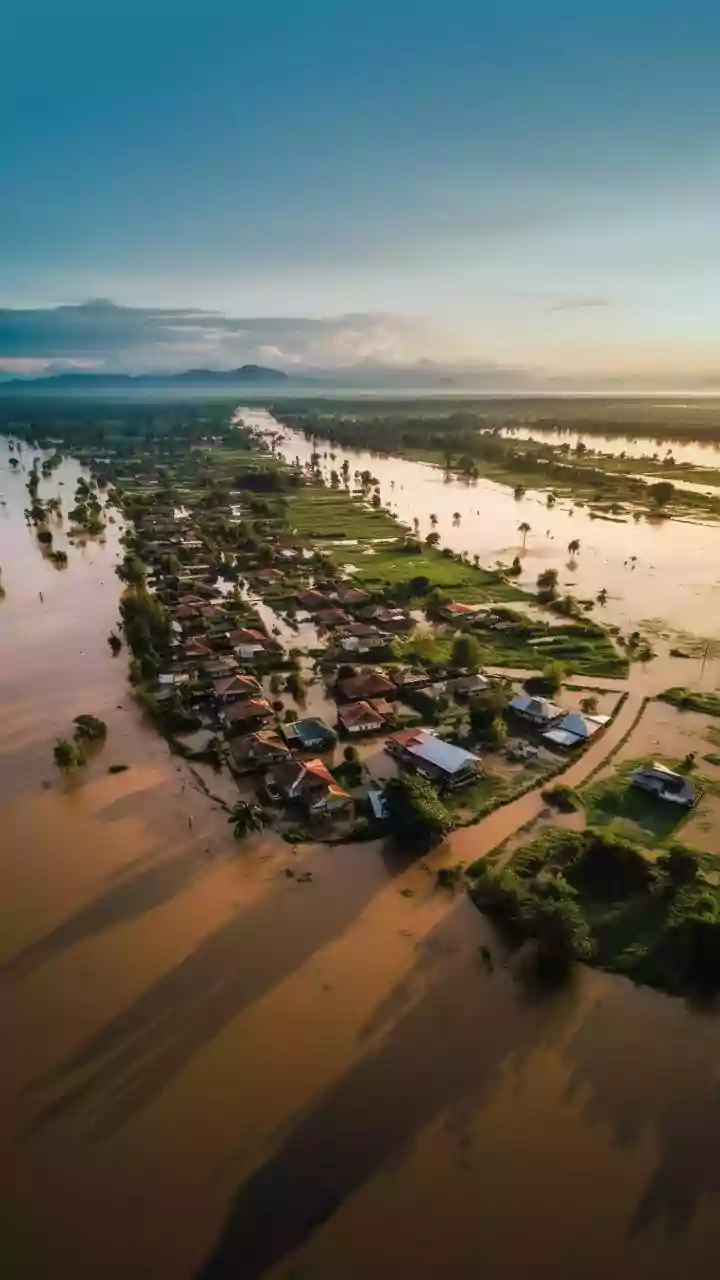
A monsoon is considered 'normal' when rainfall is between 96% and 104% of this average. A 'below-normal' forecast, typically indicating rainfall between 90% and 95% of the LPA, signals a potential deficit that could stress water resources and agriculture. This year's prediction is often linked to the emergence of El Niño, a climate pattern in the Pacific Ocean known for suppressing monsoon rainfall over India. While a forecast isn't a guarantee, it serves as a critical warning for policymakers and farmers to prepare for potential water scarcity and its knock-on effects.
The Government's Economic Armour
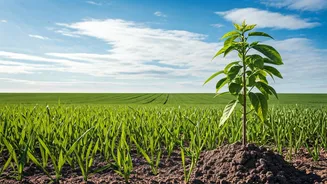
The government's confidence stems from a fundamental shift in the Indian economy. For decades, the phrase “monsoon is the real finance minister” held true. Today, that link, while still important, has weakened. Agriculture, which once dominated the economy, now contributes less than 20% to India's GDP. The services sector, which is largely insulated from rainfall, is the new engine of growth, accounting for over 50% of the economy. This structural transformation means that even a significant shock to agriculture has a smaller direct impact on overall GDP numbers than it did 20 or 30 years ago. Officials point to this diversification as the primary buffer that will allow 'Central Progress'—meaning infrastructure development, economic growth, and fiscal targets—to continue largely on track.
A Fortress of Food and Funds
Beyond structural economic changes, the government has built specific safety nets to cushion the blow of a poor monsoon. The most significant is the massive stockpile of food grains held by the Food Corporation of India (FCI). These buffer stocks can be released to stabilise prices and ensure food security, preventing the kind of rampant food inflation that a drought might have caused in the past. Furthermore, schemes like the Pradhan Mantri Fasal Bima Yojana (PMFBY) offer a crop insurance mechanism to protect farmers from financial losses due to crop failure. Direct income support through PM-KISAN also provides a basic financial floor for farming families, helping them weather a bad season without falling into deep distress. Together, these measures are designed to act as shock absorbers for the rural economy.
Beyond the Farm
Another crucial factor is the growing non-farm rural economy. Rural India is no longer solely dependent on agriculture. A significant portion of rural income now comes from construction, small-scale manufacturing, retail, and services. Moreover, the government's focus on infrastructure projects—from highways to rural housing—creates employment that is not tied to the agricultural cycle. The Mahatma Gandhi National Rural Employment Guarantee Act (MGNREGA) also serves as a crucial fallback, guaranteeing a certain number of days of paid work and providing a vital source of income, especially when agricultural work is scarce due to a weak monsoon. This diversification within the rural economy itself makes it more resilient.
The Risks That Remain
Despite this well-reasoned confidence, ignoring the risks would be naive. A weak monsoon still has a powerful indirect impact. While agriculture's share of GDP is smaller, it still employs nearly half of India's workforce. A fall in agricultural income directly hits rural demand for goods like tractors, motorcycles, and consumer products, which can cause a ripple effect across the manufacturing sector. Secondly, while food grain inflation may be controlled, the prices of vegetables, fruits, and pulses—which are more sensitive to immediate weather conditions and have less robust supply chains—could still spike, hurting household budgets. Finally, the real human cost for millions of small and marginal farmers, who may lack access to credit and full insurance coverage, remains a serious concern. Their distress is not always captured in headline GDP numbers.