






The Obvious Hit: Your Flight Ticket
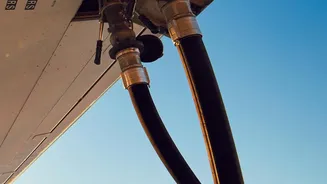
The most immediate and noticeable impact of rising oil prices is on airfare. Jet fuel is one of the biggest expenses for any airline, second only to labour costs. When crude oil becomes more expensive, the cost of refining it into jet fuel follows suit,
putting immediate pressure on airline finances. While some airlines use 'hedging'—buying fuel months in advance at a fixed price—to protect themselves from short-term spikes, these measures don't last forever. If prices remain high, carriers have little choice but to pass the extra cost on to passengers, often through higher base fares or by reintroducing fuel surcharges. This effect is often more pronounced on long-haul international flights, where fuel can account for up to 45% of the ticket price, compared to 25-35% for shorter domestic trips.
The Great Indian Road Trip Gets Pricier
For those who prefer to travel by road, the pain at the pump is direct and unavoidable. Rising crude oil prices translate to higher petrol and diesel costs across the country. This affects not just those driving their own cars, but the entire ecosystem of road-based travel. Ride-hailing services and local taxis often increase their fares to compensate for higher operational costs, with some reports noting fare surges of up to 100% during peak periods. Similarly, long-distance bus operators face the same pressures, which can lead to fare hikes of over 10%. The increased cost of fuel can also lead some people to rethink their travel plans, perhaps choosing destinations closer to home or shortening the duration of their trip to manage expenses.
What About Cruises and Sea Travel?
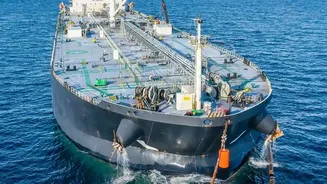
Cruise ships are massive consumers of fuel, so they are highly sensitive to fluctuations in oil prices. Just like airlines, cruise lines can be forced to pass these costs onto customers. Many cruise operators include clauses in their booking contracts that allow them to add a 'fuel supplement' charge, even after a trip has been fully paid for, if oil prices cross a certain threshold. For example, some contracts permit these surcharges if the price of oil rises above a specific level per barrel on the market. While major cruise lines try to avoid this to maintain customer satisfaction, a sustained period of high fuel costs can make it unavoidable. Some smaller lines have already begun instituting daily fuel surcharges to cope with the market changes.
The Hidden Ripple Effects
The impact of expensive oil doesn't stop at the ticket counter or the petrol pump. Higher fuel costs have a broader ripple effect across the entire tourism industry. Hotels and resorts rely on transportation to bring in food, supplies, and staff. When those transportation costs rise, it can indirectly lead to higher room rates or increased prices for food and services at the property. Similarly, tour operators who use buses or other vehicles for sightseeing will face higher operating costs, which may be passed on to you in the form of more expensive tour packages. This means that even if you find a good deal on a flight, the overall cost of your vacation could still be higher than anticipated.
How to Plan Your Travels Smarter
While rising costs can be disheartening, there are ways to mitigate the impact on your travel budget. Booking flights and hotels well in advance is a classic strategy, as it can help you lock in prices before potential future increases take effect. Keep an eye out for deals and be flexible with your travel dates if possible. Travelling during the off-season or shoulder seasons often means lower demand and therefore more competitive pricing. For road trips, consider more fuel-efficient vehicles or routes. Some travellers may even opt for destinations closer to home to reduce transportation costs altogether. By planning strategically, you can still enjoy a memorable trip without letting fuel prices ground your plans.