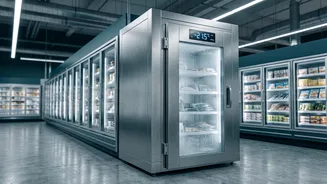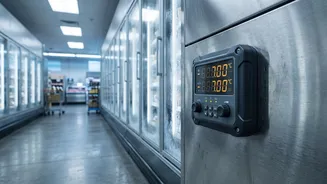









Imagine walking into your local supermarket to find aisles of food spoiling because every freezer and refrigerator has been remotely turned off. Recent cyberattacks in Europe have turned this scenario into a costly reality for dozens of retailers.
A New Digital Battleground
A wave
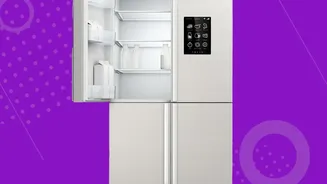
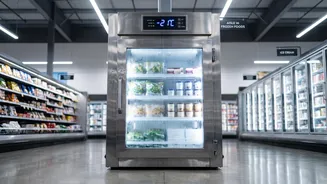
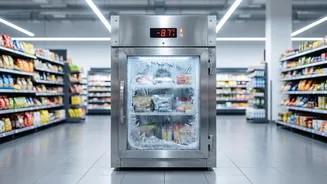
of cyberattacks has swept across Europe, targeting the seemingly mundane yet critical infrastructure of supermarket refrigeration systems. In early November 2026, retailers in at least seven countries, including Belgium, Sweden, and Ireland, reported that their cooling systems had been remotely manipulated. In some cases, freezer temperatures were driven up to 50°C (122°F), destroying vast quantities of frozen and chilled goods. These incidents followed a similar, large-scale attack in France in October, which affected hundreds of stores and led to losses estimated in the tens of millions of euros. The attackers exploited vulnerabilities in internet-connected electronic temperature controllers, which allow for remote monitoring and management. By gaining access, they could trigger defrost cycles or simply shut units down, causing widespread spoilage, business disruption, and even fire hazards in some cases.
The Blurring Lines of IT and OT
These attacks highlight a critical and often-overlooked area of cybersecurity: Operational Technology (OT). While Information Technology (IT) security focuses on protecting data and corporate networks, OT security deals with the hardware and software that control physical processes. This includes everything from manufacturing lines to power grids and, in this case, commercial refrigeration. For decades, many of these industrial control systems (ICS) were designed to be isolated, reliable, and long-lasting, with little thought given to internet security. However, the drive for efficiency has led to increased connectivity, allowing for remote maintenance and monitoring. This convergence of IT and OT creates new pathways for hackers. An unpatched, internet-facing controller with a default password can become an open door for malicious actors to wreak physical havoc.
More Than Just Spoiled Groceries
The financial hit from lost inventory is significant, but the consequences of these attacks run much deeper. They represent a direct threat to the food supply chain, business continuity, and consumer trust. Beyond supermarkets, the same vulnerabilities exist in cold storage facilities for healthcare and pharmaceuticals, including blood banks, which were also targeted in France. An attack on a building's control systems, such as its HVAC, could also serve as a gateway into a company's main corporate network. One of the most famous data breaches in recent history began when hackers gained entry through a third-party HVAC vendor. Following the European attacks, five U.S. federal agencies, including the FBI and CISA, issued a joint warning about the 'ongoing cyber threat,' urging all organizations that depend on refrigeration to assume they could be a target.
Strengthening the Defenses
Security experts stress that while the threat is growing, it is manageable. The core problem often lies in basic 'cyber hygiene'. Many of the affected systems were reportedly running on outdated software for which security patches were available but had not been applied. Some were accessible via the public internet using weak or default passwords. Recommended steps for businesses include immediately disconnecting control systems from the public internet where possible, implementing strong password policies, and ensuring all software and firmware is kept up-todate. Network segmentation, which separates critical OT systems from the broader corporate IT network, is also a key defensive measure. This prevents an intruder who gains access to one system from moving laterally to compromise others. As our world becomes more interconnected, these incidents are a stark reminder that cybersecurity is no longer just about protecting data; it's about protecting the physical processes that underpin our daily lives.