







Monsoon Misery Meets Travel Dreams
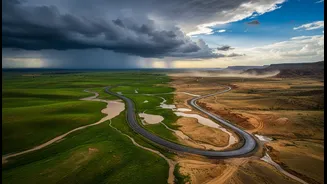
The allure of experiencing India’s monsoon season firsthand is undeniable. The parched earth turns a vibrant green, waterfalls roar back to life, and the air is thick with the smell of rain-soaked soil. However, the 2026 monsoon has already shown its
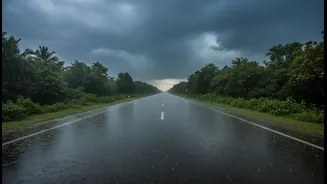
formidable power. As of early July, heavy to extremely heavy rainfall has been recorded across several parts of the country, including Konkan, Goa, Maharashtra, and states in the northeast. The India Meteorological Department (IMD) has issued numerous alerts for heavy rainfall, flash floods, and landslides in popular tourist regions. For travellers, this means that a dream monsoon holiday can quickly turn into a nightmare of waterlogged roads, travel disruptions, and safety hazards if not planned with caution. Recent incidents like landslides near tourist towns and waterlogging in major cities highlight the very real dangers.
Your Official Pre-Trip Checklist
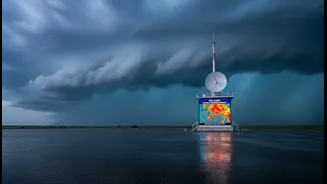
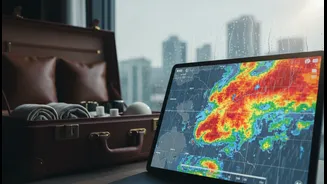
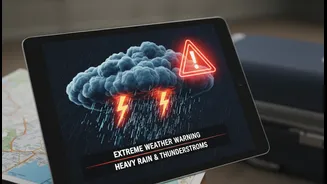
Before booking flights or hotels, your first step should be to consult official sources for weather and disaster warnings. The India Meteorological Department (IMD) is the primary agency for weather forecasts. Their website provides daily press releases, detailed five-day district-wise warnings, and colour-coded alerts (Green, Yellow, Orange, Red) that signify the severity of expected weather. For a broader view of potential hazards, the National Disaster Management Authority (NDMA) runs the 'SACHET' alert portal, which consolidates warnings from various agencies. These resources are crucial for understanding the real-time situation at your intended destination. Look for specific warnings about “heavy to very heavy rainfall,” “flash flood risk,” or “landslides,” which are key indicators that travel to that area may be unsafe. Remember to check these sources not just when you book, but also in the days leading up to your departure.
Regions Requiring Extra Caution This July
While the monsoon’s intensity varies, some regions are historically more vulnerable and are currently under watch. The Western Ghats, particularly in Maharashtra (including Lonavala), Goa, and Coastal Karnataka, have been receiving intense rainfall, leading to a high risk of landslides and flooding. In North India, the Himalayan states of Uttarakhand and Himachal Pradesh are prone to flash floods and landslides, with the IMD forecasting widespread rain and issuing flash flood guidance for multiple districts. The Northeast, including Assam and Meghalaya, is also experiencing an active monsoon spell with heavy rainfall warnings. Even urban centres are not immune; cities like Delhi and Mumbai have faced significant waterlogging, causing major traffic disruptions. This doesn't mean these places are entirely off-limits, but they require rigorous and daily monitoring of local conditions before and during your trip.
Smarter Monsoon Destination Ideas
If you wish to avoid the riskiest areas, consider destinations that offer a beautiful monsoon experience with relatively lower flood risk. Parts of Madhya Pradesh turn incredibly lush and green, and while some areas are receiving heavy rain, others can be safer alternatives. Rajasthan, particularly in the Aravalli hills around Udaipur and Mount Abu, receives less intense rainfall than the coastal or Himalayan regions but is transformed into a green paradise. Eastern parts of the state have been receiving good showers, rejuvenating its lakes and landscapes. Similarly, the rain-shadow regions of the Western Ghats can sometimes offer a milder monsoon experience. Always verify the current forecast, but exploring these less-saturated destinations can be a rewarding and safer way to enjoy the season.
Pack Smart, Travel Safe
A well-prepared traveller is a safe traveller. Your monsoon packing list should prioritise function over fashion. Opt for lightweight, synthetic clothing that dries quickly, as cotton and denim can stay damp for days. Waterproof gear is non-negotiable: a reliable raincoat, waterproof footwear with good grip to prevent slips, and a waterproof cover for your backpack are essential. Protect your electronics by keeping them in zip-lock or dry bags. Carry a basic medical kit with essentials for common monsoon ailments like stomach infections, colds, and fungal infections, along with insect repellent. A power bank is also crucial, as power cuts can be common during heavy rains. Finally, maintain flexibility in your itinerary; be prepared for delays and have backup plans.