

The Game-Changer: Water Ice
The single biggest reason for the intense focus on the lunar South Pole is the confirmed presence of water ice. Unlike the Apollo landing sites near the equator, the South Pole is home to 'permanently shadowed regions' (PSRs) — deep craters whose floors
have not seen sunlight for potentially billions of years. Because of the Moon's slight axial tilt, these areas remain incredibly cold, acting as cosmic cold traps that have preserved water ice. This isn't just about finding a drink for future astronauts. Water (H2O) can be broken down into hydrogen and oxygen. This provides breathable air for habitats and, crucially, the two key components of rocket propellant. The ability to refuel spacecraft on the Moon would revolutionize space travel, making it a true stepping stone for missions to Mars and beyond.
Peaks of Eternal Light
In a dramatic contrast to the permanent darkness of the craters, the South Pole also features 'peaks of eternal light'. These are elevated points, like the rims of craters such as Shackleton, that are in near-constant sunlight. While no spot has been found to have truly 'eternal' 100% sunlight, some locations receive illumination for over 90% of the lunar year. For a lunar base, this is a tremendous advantage. It offers a steady, reliable source of solar power, eliminating the challenge of surviving the two-week-long, frigid lunar night that most of the Moon experiences. Placing solar panels on these peaks could power everything from scientific instruments to life support systems and the machinery needed to extract the water ice from the nearby shadows.
A Scientific Treasure Trove
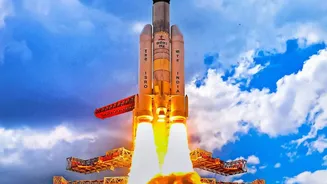
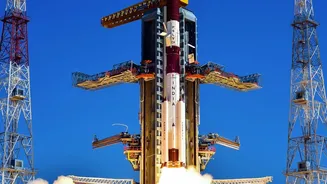
The permanently shadowed craters are not just valuable for their resources; they are pristine scientific time capsules. Sheltered from the Sun's radiation and extreme temperature swings, the ice within these craters could hold clues about the history of the solar system, the delivery of water by comets and asteroids, and the origins of our own oceans. India's Chandrayaan-3 mission, the first to successfully soft-land in this region, has already delivered surprising findings, such as the presence of sulfur in the soil and unique plasma conditions, underscoring how little we know about this environment. This region, at the edge of the massive South Pole-Aitken basin, also offers access to ancient lunar crust material, giving scientists a window into planetary formation.
The New Geopolitical Frontier
The promise of resources and strategic positioning has ignited a modern space race to the lunar South Pole. Multiple nations and private companies are vying to establish a presence. NASA's Artemis program aims to land astronauts there and eventually build a sustainable Artemis Base Camp. China, in collaboration with Russia and other partners, has ambitious plans for an International Lunar Research Station (ILRS) in the same region, with missions like Chang'e-7 and Chang'e-8 paving the way. India made history with Chandrayaan-3 and continues to collaborate on missions to characterize lunar water. Establishing the first foothold in this resource-rich area is seen as a major strategic and technological advantage, shaping the future of space exploration for decades to come.