



The Science of Calm, Sustained Energy
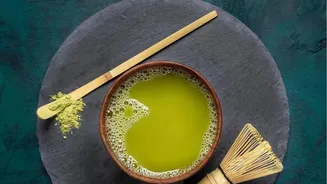
The primary reason for matcha's ascent in the high-stress tech world lies in its unique biochemistry. Unlike coffee, which delivers a quick, sharp jolt of caffeine that often leads to jitters and an afternoon crash, matcha offers a smoother, more sustained
energy boost. This is thanks to the powerful combination of caffeine and L-theanine, an amino acid found almost exclusively in tea leaves. L-theanine works synergistically with caffeine, slowing its absorption into the bloodstream and promoting alpha brain waves—the same ones associated with a state of relaxed alertness or meditation. The result is what many describe as "calm focus": a state of heightened concentration and mental clarity that can last for three to six hours, all without the anxiety or nervous energy that a strong cup of coffee can induce. For a coder staring down a complex problem or a project manager navigating back-to-back meetings, this kind of steady, crash-free performance is invaluable.
A Ritual for the Mindful Professional
The culture of tech is increasingly embracing mindfulness and wellness as an antidote to burnout. Matcha fits perfectly into this narrative. With roots stretching back over a thousand years to Chinese and Japanese Buddhist monks who used it to stay alert during long meditation sessions, matcha has a history deeply intertwined with mindfulness. The act of preparing matcha, even just ordering it at a cafe, can feel like a small ritual. For busy professionals, this daily habit becomes a moment of intention—a brief pause in a hectic day. This aligns with a broader shift in workplace wellness, where optimising mental and emotional health is seen as just as important as physical productivity. The drink represents more than just a caffeine delivery system; it's a nod to a slower, more deliberate way of being, which is deeply appealing in a fast-paced industry.
The New Status Symbol of Wellness
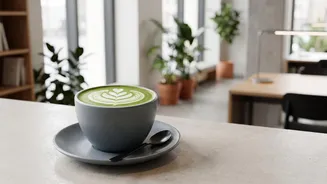
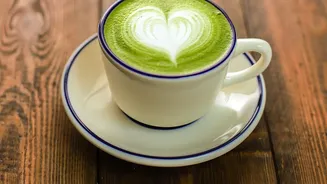
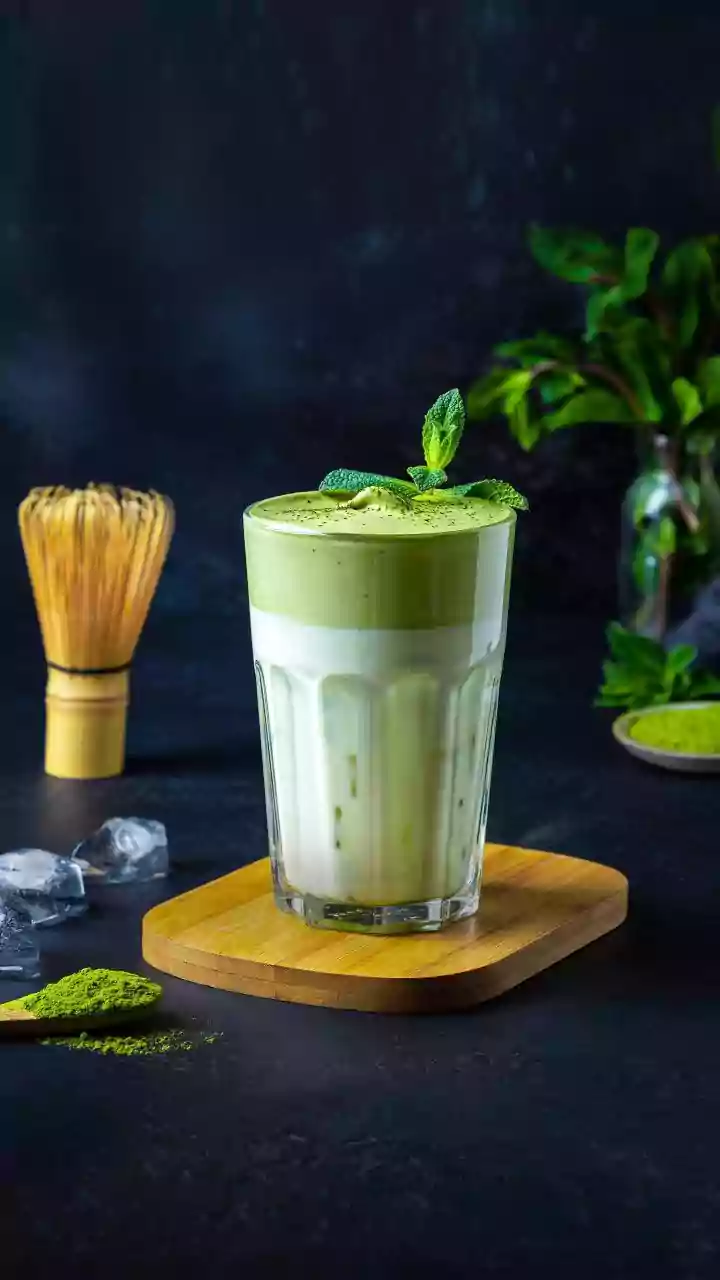
In today's visually-driven culture, what we consume is part of our identity. The vibrant, photogenic green of a matcha latte has made it an undeniable star on social media. For urban professionals, particularly those in the tech, design, and creative fields, ordering a matcha latte is a form of social signalling. It says you are health-conscious, in-the-know, and invested in wellness. As third-wave coffee shops, which first championed artisanal coffee, have expanded across Indian metros like Bengaluru, Mumbai, and Delhi, matcha has become a core menu item, positioned as a premium, craft beverage. This shift mirrors global trends, where the matcha latte has replaced the flat white as a barometer for a city's tech-savvy, creative class. It’s a drink that looks good, feels good, and tells a story about personal values.
A Healthier Alternative to the Daily Grind
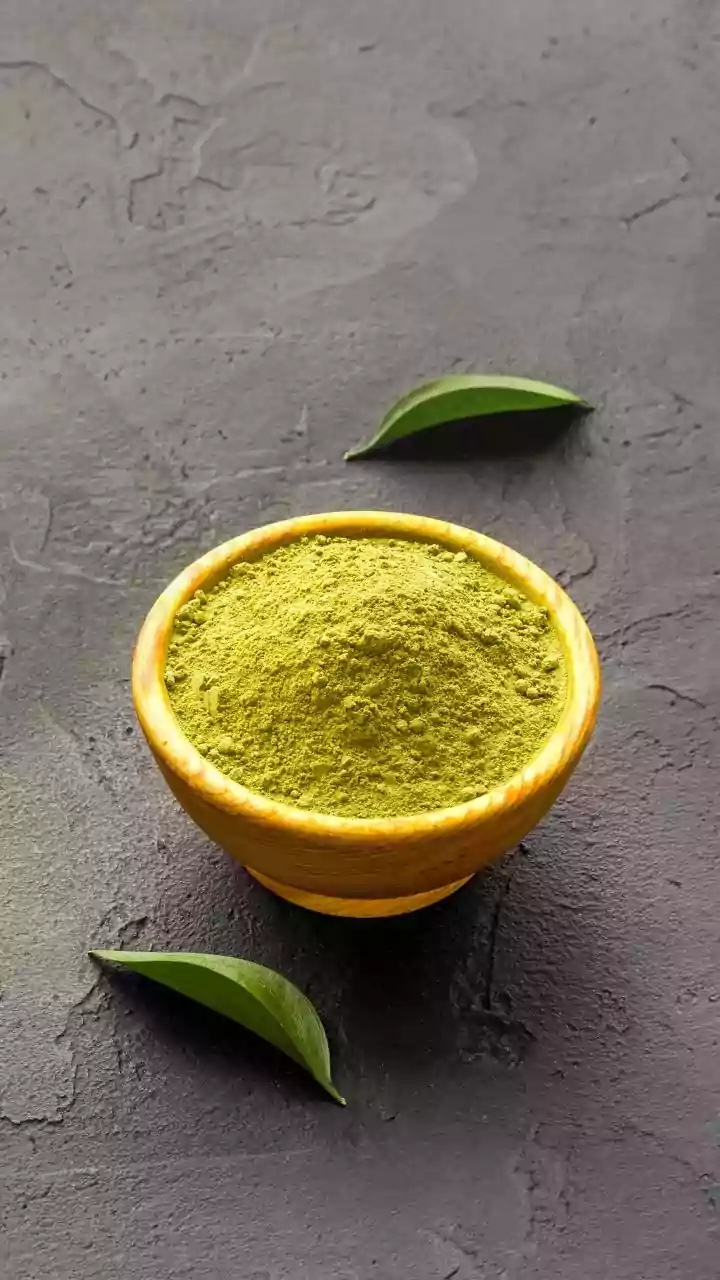
Beyond the focused energy, matcha is also chosen for its significant health benefits. Because you consume the entire ground leaf, you ingest a potent dose of antioxidants—far more than in standard steeped green tea. These antioxidants, particularly catechins like EGCG, are celebrated for their ability to fight cellular damage and support overall health. As awareness grows around the downsides of excessive coffee consumption—from digestive issues to increased cortisol levels—many tech workers are actively seeking alternatives. Matcha provides a solution that not only avoids these issues but also adds nutritional value, including fibre and vitamins. This aligns with the data-driven mindset of the tech industry, where employees are increasingly looking to optimise their health and bio-hack their performance, starting with what’s in their mug.