


Feeling that all-too-common afternoon slump? Your lunch might be the culprit. A meal low in protein can leave you feeling tired and hungry long before dinner. Luckily, Indian vegetarian cuisine is packed with fantastic, protein-rich options.
Paneer Power: More Than Just a Curry
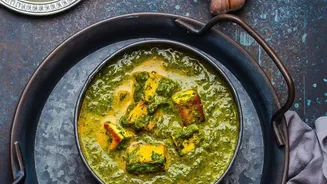
Paneer is
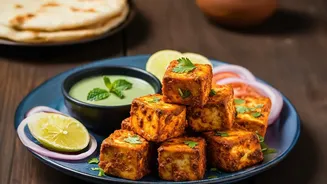
a cornerstone of vegetarian Indian diets for a reason. A 100-gram serving can pack around 18-20 grams of high-quality, complete protein, which helps in muscle repair and keeps you feeling full. For a quick and satisfying lunch, think beyond heavy gravies. A paneer bhurji, or spiced scramble, can be made in minutes and pairs perfectly with whole-wheat roti. Another excellent option is a paneer tikka salad. Toss marinated and lightly grilled paneer cubes with fresh greens, cucumber, and tomatoes for a meal that’s both light and substantial. You can even prepare the paneer ahead of time to make lunchtime assembly a breeze.
The Versatile Soya Chunk
Soya chunks, or meal maker, are a powerhouse of plant-based protein. When cooked, they offer a texture similar to meat and are incredibly versatile at absorbing flavours. Just 100 grams of dry soya chunks can provide over 50 grams of protein, though this becomes less dense once they are boiled and hydrated. One of the easiest lunch preparations is a soya keema. Pulse boiled soya chunks into a coarse mince and cook it with onions, tomatoes, peas, and spices. This 'keema' can be eaten with roti or packed into a wrap. Another simple idea is a soya pulao, a one-pot meal where soya chunks are cooked with rice and vegetables, making for a balanced and tiffin-friendly lunch.
Lentil Magic: Moong Dal and Besan Cheela
Lentils are fundamental to Indian cooking, and moong dal is one of the most celebrated for being light and protein-rich. A fantastic way to enjoy it for lunch is in the form of a cheela, or savoury pancake. Made from a batter of soaked moong dal or gram flour (besan), these pancakes are quick to cook and incredibly filling. A single medium-sized moong dal cheela can offer around 6-9 grams of protein. To boost the protein content further, stuff the cheela with crumbled paneer, grated tofu, or a mix of sautéed vegetables. The batter can be prepared in advance and stored in the fridge for a couple of days, making it a go-to for busy weekday lunches.
The Humble Chana and Rajma Bowl
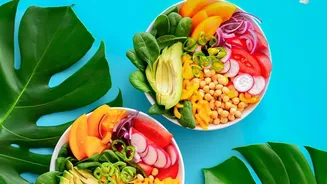
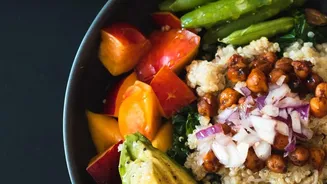
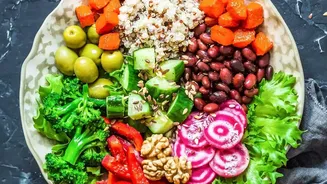
Chickpeas (chana) and kidney beans (rajma) are fibre- and protein-packed legumes that form the base of many beloved Indian dishes. A cup of cooked chickpeas provides about 15 grams of protein, while rajma offers a similar amount. Instead of a traditional curry, try a modern lunch bowl. Start with a base of cooked rajma or chana, and top it with chopped onions, tomatoes, cucumber, and a squeeze of lemon for a chaatstyle salad. For a more filling meal, add a small portion of brown rice or quinoa. This kind of meal is not only nutritious but also travels well, making it ideal for an office lunchbox.
Sprouts for a NoCook Protein Punch
When you're short on time, a sprout salad is a saviour. Sprouting legumes like moong or chickpeas increases their nutritional value and makes them easier to digest. A filling sprouted moong salad can be a great source of protein. You don't need to cook them at all. Simply mix the sprouts with finely chopped vegetables like onions, tomatoes, and cucumber. For flavour, add a sprinkle of chaat masala, a dash of lemon juice, and some fresh coriander. To make it even more proteindense, you can add cubes of paneer or a handful of roasted peanuts.