



The Sweet Revolution
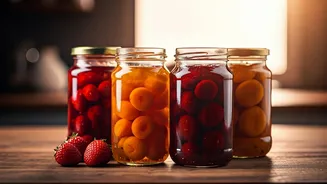
Take a walk through any gourmet food store, weekend farmers' market, or even scroll through your Instagram feed, and you'll see them. Small, beautifully labelled glass jars filled with vibrant, chunky concoctions. These aren't the uniformly smooth, artificially
coloured jellies we grew up with. These are fruit preserves, conserves, and marmalades that proudly showcase their star ingredient: fruit. This shift represents a quiet but powerful revolution in our kitchens and cafes. Consumers are consciously moving away from mass-produced spreads, often laden with sugar, pectin, and chemical preservatives, and embracing products that prioritise flavour and natural ingredients above all else. It’s a trend that speaks volumes about our evolving relationship with food, where transparency and quality are the new currencies.
What's in the Jar?
So, what makes these “slow-churned” preserves so different? The magic lies in both what they contain and what they leave out. Unlike commercial jams that often use more sugar than fruit and rely on industrial pectin to achieve a gelled consistency, artisanal preserves put the fruit front and centre. The process is one of patience. Fruits are often slow-cooked in small batches, a method that allows their natural sugars to caramelise and their flavours to deepen. This gentle cooking also helps retain the fruit's natural texture—think chunky pieces of strawberry, fibrous strands of orange marmalade, or the delightful graininess of a fig preserve. Preservatives like sodium benzoate are replaced with natural alternatives like lemon juice, and refined sugar often gives way to healthier sweeteners like jaggery, honey, or unprocessed cane sugar, lending a more complex, earthy sweetness to the final product.
A Hunger for Health and Honesty
This movement is intrinsically linked to the larger wellness wave sweeping urban India. As consumers become more health-conscious and ingredient-savvy, they are meticulously scanning labels and questioning what goes into their bodies. The term “clean label”—referring to products with short, understandable ingredient lists—is no longer a niche concept. People want food that is real and unadulterated. The appeal of a fruit preserve with just three ingredients (fruit, sugar, lemon juice) is immense when compared to a commercial jam with a list of codes and chemical names. This desire for honesty in our food is driving a generation to support local producers who can offer a story, a connection to the source, and the simple promise of good, clean food.
The Rise of the Artisan
Behind this trend are passionate entrepreneurs—home chefs, food enthusiasts, and small-business owners who are turning their kitchens into hubs of creativity. Many of these brands start small, often selling through social media or at local markets, and grow through word-of-mouth. They are reviving old family recipes and experimenting with unique flavour combinations that celebrate India’s rich botanical diversity. You’ll find preserves made with Alphonso mango and chilli, jamun (Indian blackberry), spicy pineapple, or sweet-and-sour phalsa (Grewia asiatica). High-end cafes and bakeries have also been quick to adopt this trend, slathering artisanal preserves on sourdough toast, swirling them into yoghurt bowls, and using them as fillings for premium pastries, further cementing their place in the modern urban foodscape.