





The Science Behind the Sip
Before you dismiss it as an old wives' tale, there's science to support using green tea on plants. Spent green tea leaves are a source of nitrogen, a crucial macronutrient for leafy growth. [2, 5, 8] They also contain tannins, which can slightly lower
the soil's pH over time, making it more favorable for certain plants. [2, 8] As the organic matter from the tea leaves breaks down, it improves the soil's structure, enhances its ability to hold water, and encourages the activity of beneficial microorganisms. [1, 2] Think of it not as a replacement for a balanced fertilizer, but as a mild, slow-release soil conditioner that reduces kitchen waste. [2, 9]
Which Plants Benefit the Most?
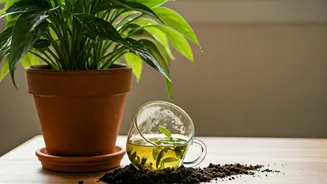
The mild acidity of green tea makes it particularly beneficial for acid-loving plants. [1, 4] Houseplants like ferns, spider plants, African violets, and peace lilies often respond well to a tea treatment. [1, 8] In the garden, plants such as roses, azaleas, hydrangeas, blueberries, and tomatoes can also thrive with the occasional tea watering. [1, 2, 5, 13] These plants appreciate the gentle boost of nitrogen and the slightly more acidic soil environment. [5, 13] However, plants that prefer alkaline soil, such as lavender or rosemary, may not benefit and could be harmed by repeated applications. [2, 9] When in doubt, it's always wise to test the tea water on a single plant first and observe its reaction.
A Simple Guide to Application
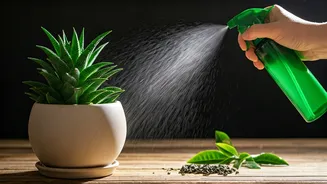
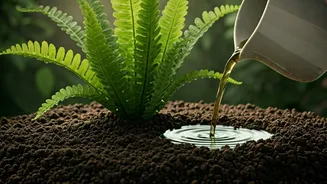
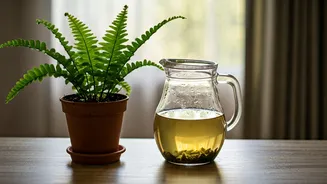
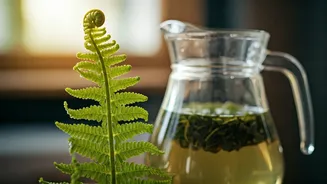
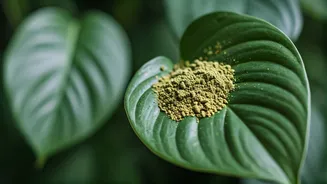
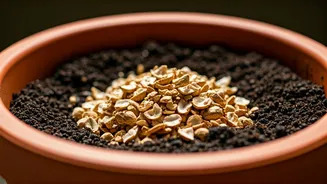
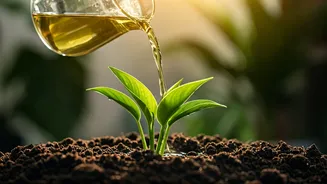
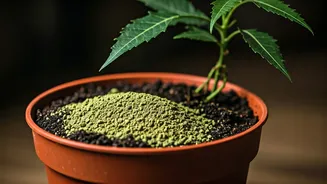
Using leftover green tea is straightforward. The most common method is to use the cooled, brewed liquid to water your plants. For regular use, it's best to dilute the tea. A good rule of thumb is a ratio of one part leftover tea to three or four parts plain water. [7, 10] Apply this diluted mixture directly to the soil at the base of the plant, avoiding the leaves to prevent potential fungal issues. [7] You should only provide this tea treatment about once every two to four weeks during the growing season, alternating with regular watering. [1, 7] Another method involves using the spent leaves themselves. You can open up tea bags (ensuring they are paper and not synthetic) and sprinkle the cool, damp leaves thinly around the base of your plants as a light mulch, or mix them into your compost pile as a nitrogen-rich 'green' material. [1, 9]
Critical Mistakes to Avoid
To ensure your plants reap the benefits, there are several key mistakes to steer clear of. First and foremost, never use tea that contains sugar, milk, or any other additives. These ingredients are not good for plants and will attract pests and encourage harmful fungal growth. [1] Secondly, always allow the tea to cool down to room temperature before applying it. Pouring hot liquid on your plants can shock and damage their root systems. [8, 9] Overuse is another potential pitfall. While beneficial in moderation, applying tea too frequently can lead to an overly acidic soil environment or waterlogged roots. [2, 7] Finally, if you're using the tea leaves directly on the soil, apply only a thin layer. A thick, wet layer of leaves can become moldy and may prevent water from reaching the plant's roots. [4, 10]