





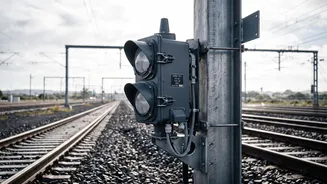
A catastrophic high-speed train collision in Spain last week, which claimed dozens of lives, has cast a long shadow over global rail safety. For India, on the cusp of launching its own bullet train network, the incident is a sobering wake-up call.
A Tragedy in Spain
On October
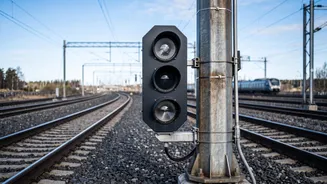
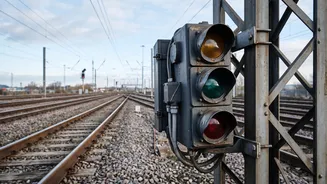
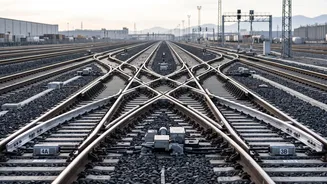
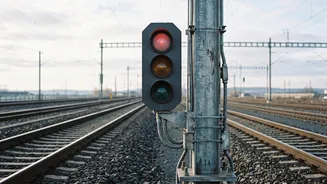
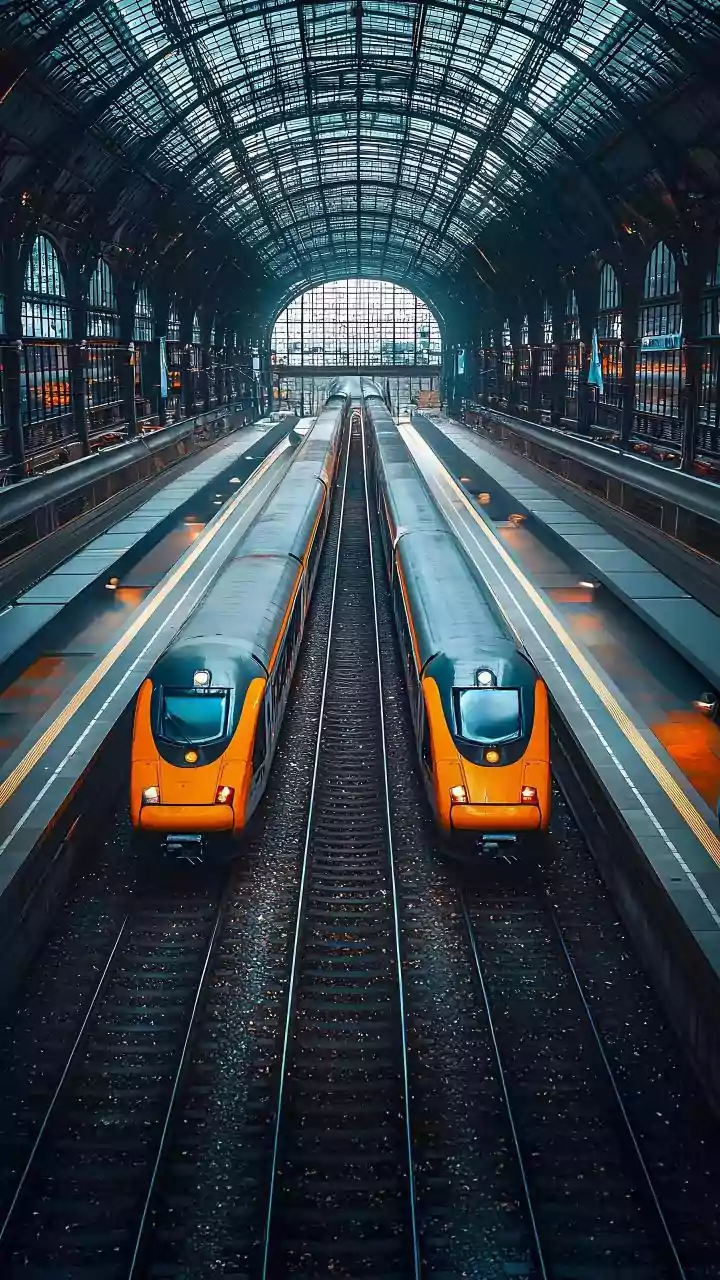
28, a high-speed train operated by Spain's state-owned Renfe slammed into the back of a stationary train belonging to a private company, Iryo, near Urda in central Spain. The collision, which occurred on the busy Madrid-Seville line, resulted in the deaths of at least 69 people and injured dozens more. Investigations point towards a combination of a security system malfunction and a critical error in human judgment, where a control center allegedly authorized the moving train to proceed despite the stationary one being on the same track. This tragedy was Spain's second fatal high-speed rail accident in 2026 alone, shattering the country's previously stellar safety record and shaking public confidence in a system once considered a model of success.
The Global Safety Benchmark
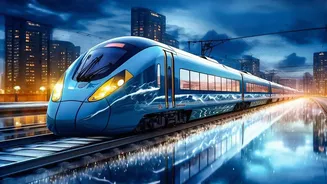
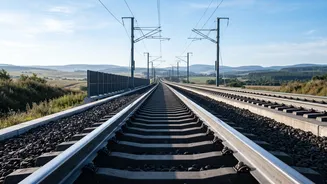
Despite the horrific nature of the Spanish crash, high-speed rail remains one of the safest modes of transport globally. The gold standard is Japan's Shinkansen network, which has operated since 1964 without a single passenger fatality from a collision or derailment. This incredible record is built on a foundation of dedicated tracks, advanced automatic train control (ATC) systems that prevent human error, and a culture of relentless maintenance. In Europe, networks like France's TGV have also had remarkably few fatal incidents on their high-speed lines over decades of operation. These systems demonstrate that with the right technology and protocols, traveling at over 300 km/h can be exceptionally safe. The key is isolating the high-speed environment from external risks and embedding multiple layers of automated safety checks.
India's High-Speed Dream Nears Reality
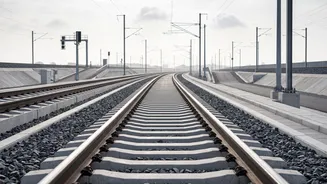
India is pouring immense resources into its first high-speed rail corridor between Mumbai and Ahmedabad. The 508-km line, being built with Japanese technical and financial support, aims to slash travel time between the two economic hubs. While the full corridor is slated for completion around 2029, a 97-km section between Surat and Vapi in Gujarat is advancing rapidly, with a target to begin services as early as August 2027. The project is a monumental undertaking, featuring elevated viaducts, bridges, and even India's first undersea rail tunnel. As construction milestones are met, the conversation is shifting from civil engineering to the critical aspects of operations, systems, and safety.
Learning from Japan, Building for India
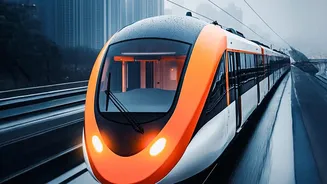
The Mumbai–Ahmedabad corridor is set to import the core of Japan's world–renowned Shinkansen safety technology. This includes an advanced Early Earthquake Detection System, with 28 seismometers along the route that can automatically trigger emergency brakes well before tremors hit. The system will also feature automated weather monitoring for heavy rain and high winds, adjusting train speeds accordingly to ensure stability. However, India is also developing its own indigenous high–speed train, codenamed B28, which is currently undergoing rigorous safety tests. While India's existing 'Kavach' automatic train protection system is being deployed on the broader rail network, the bullet train will rely on these even more advanced, multi–layered systems designed for the unique demands of high–speed travel.
The Debate: Can We Avoid Spain's Mistakes?
The incident in Spain underscores that even the most robust systems can fail if human oversight and backup protocols are not watertight. Analysts point out that the Spanish crash was reportedly caused by a signaling failure combined with a manual error—a scenario India's planners must obsessively guard against. As India moves towards a future that may involve multiple train operators on shared infrastructure, ensuring seamless coordination is paramount. The primary challenge is not just importing technology, but cultivating a deeply ingrained safety culture that encompasses everything from track maintenance and staff training to emergency response. Issues like land acquisition and construction delays have dominated the project's narrative, but the Spanish tragedy firmly recenters the debate on the absolute necessity of operational perfection.