





Choosing the Right Pot and Soil
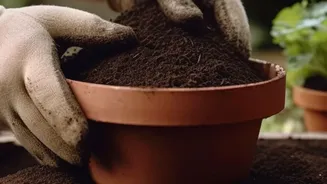
Your chilli plant's success starts with its home. Choose a pot that is at least 12 inches deep, or a 5-gallon container, to give the root system ample space to grow. A larger pot holds more soil and water, making care easier. Ensure the container has
drainage holes at the bottom to prevent waterlogging, which can lead to root rot. For soil, Thai chillies thrive in a well-draining, slightly acidic potting mix. A quality potting mix amended with organic matter like compost or perlite is ideal. This combination ensures roots get the nutrients, moisture, and air they need.
Sunlight and Watering Essentials
Thai chillies are sun-lovers. They need at least six hours of direct sunlight each day to produce a healthy crop of fruit. A south-facing window, balcony, or patio is the perfect spot. When it comes to watering, consistency is key. A good rule of thumb is to water whenever the top inch of soil feels dry to the touch. Water the plant deeply until it runs out of the drainage holes, then allow the soil to dry out slightly before watering again. This wet-and-dry cycle is healthier than keeping the soil constantly soggy. Overwatering is a common mistake that can stress the plant.
Feeding for a Bountiful Harvest
While good soil provides a strong start, your potted chilli plant will benefit from regular feeding during its growing season. Use a balanced liquid fertiliser every four weeks once the plant starts to set fruit. Look for a fertiliser formulated for vegetables or tomatoes, which will have the right blend of nitrogen, phosphate, and potassium. Be careful not to overfeed, especially with nitrogen-heavy fertilisers, as this can lead to lush, leafy growth but fewer chillies. Following the instructions on the fertiliser package will provide your plant with the essential nutrients for optimal growth and fruit production.
When to Pick: Signs of Ripeness
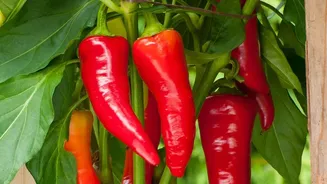
Knowing when to harvest is crucial for the best flavour and heat. Thai chillies can be picked when they are green or after they have ripened to their final, vibrant red colour. Harvesting some peppers when they are green can provide a different flavour profile and will encourage the plant to produce more fruit. For maximum heat and a sweeter, fruitier flavour, wait until the chillies are fully red. A ripe chilli will be firm to the touch and should detach from the plant with a gentle pull, though using scissors is always better.
How to Harvest for Continuous Growth
Regular harvesting is the secret to a long and productive season. The more you pick, the more the plant will produce. To avoid damaging the plant's delicate branches, always use a pair of clean scissors or pruning shears to snip the chillies off. Cut the small stem that connects the chilli to the branch. Attempting to pull the peppers off by hand can risk breaking branches or uprooting the plant. For very hot varieties, it's wise to wear gloves while harvesting to avoid getting the oils on your skin.
Using and Storing Your Chillies
Freshly picked Thai chillies are a culinary delight. If you have a surplus, proper storage can preserve their fiery kick. Fresh, unwashed chillies can be stored in a paper bag in the refrigerator's crisper drawer for up to two weeks. For long-term storage, freezing or drying are excellent options. To freeze, simply wash and dry the chillies, then place them in an airtight freezer bag. To dry them, you can string them up in a well-ventilated area or use a food dehydrator. Dried chillies can be stored in an airtight container for months and ground into powder as needed.