




The Real Problem with Humidity
First, let's clarify a common misconception. Humidity itself doesn't directly harm most foliage plants; in fact, many tropical varieties thrive in it. The real danger lies in what high humidity, combined with poor air circulation indoors, encourages:
fungal diseases and pests. When the air is consistently damp, it creates the perfect breeding ground for problems like powdery mildew, black spot, leaf blight, and root rot. You might notice white dusty patches on leaves, black or brown spots, or a general lack of vigour. Furthermore, pests like spider mites and mealybugs flourish in these conditions, turning your lush indoor garden into a battleground.
Why Neem Oil is Your Plant’s Ally
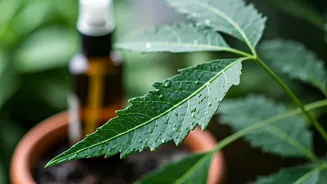
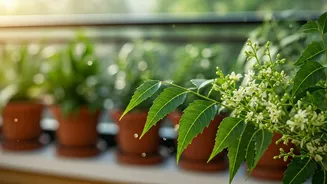
This is where neem oil comes in, not as a shield against water vapour, but as a multi-purpose guardian. Derived from the seeds of the neem tree (Azadirachta indica), a tree native to India, neem oil is a cornerstone of traditional agriculture and medicine. Its power lies in a compound called Azadirachtin, along with other limonoids. These compounds make neem oil a potent natural fungicide, insecticide, and miticide. It doesn't block humidity, but it effectively combats the fungal spores and pests that thrive in it. By disrupting the life cycle of pests and inhibiting the growth of fungi, neem oil protects your plants from the consequences of a damp environment.
Choosing the Right Neem Product
When you go to buy neem oil, you might see a few different types. For gardening, the best choice is 100% cold-pressed neem oil. The cold-pressing process preserves the highest concentration of Azadirachtin and other beneficial compounds, making it more effective. You may also find 'clarified hydrophobic extract of neem oil,' which has had the Azadirachtin removed. While this version can still work as a leaf shine and smother some soft-bodied insects, it lacks the full-spectrum insect-repelling and fungicidal power of pure, cold-pressed oil. Always read the label to ensure you're getting the most potent product for plant protection.
How to Prepare Your Neem Solution
Neem oil and water don't mix on their own, so you need an emulsifier to create a stable spray. The most common and effective method is using a mild liquid soap.
Here’s a standard recipe:
- 1 litre of warm water
- 1 teaspoon (5 ml) of cold-pressed neem oil
- 1/2 teaspoon (2-3 ml) of mild liquid soap (castile soap or a gentle dish soap without degreasers)
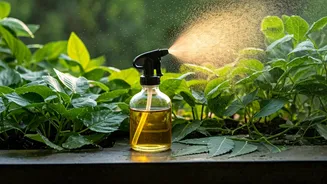
First, mix the neem oil with the liquid soap in a small cup. This helps break down the oil. Then, pour this mixture into your spray bottle containing the warm water. Shake vigorously until the solution looks milky and well-combined. It’s best to make a fresh batch for each use, as the compounds in the oil begin to break down once mixed with water.
Application Best Practices
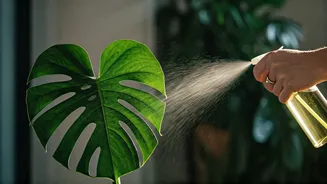
Proper application is key to success and plant safety. Always perform a 'patch test' by spraying a small, inconspicuous leaf on your plant and waiting 24-48 hours to check for any signs of damage or stress before spraying the entire plant.
Apply the spray in the early morning or late evening. Spraying in direct sunlight or high heat can cause the oil to burn the leaves. When you spray, be thorough. Coat the tops and, crucially, the undersides of the leaves, as this is where many pests and fungal spores hide. For preventative care during the monsoon season, a light spray every 10-14 days is sufficient. If you are treating an active infestation or fungal outbreak, you may need to spray every 5-7 days for a few weeks until the problem is resolved.