
Embrace the Air Fryer Revolution
The air fryer has become a game-changer for health-conscious foodies, and for good reason. This countertop appliance circulates hot air at high speed to cook food, creating a crispy layer that mimics deep-frying with up to 80% less oil. For snacks like
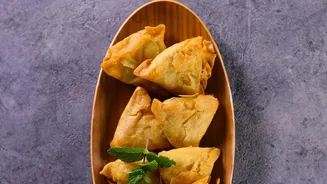
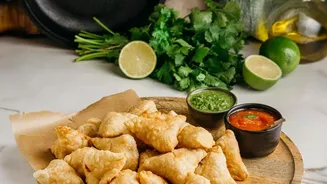
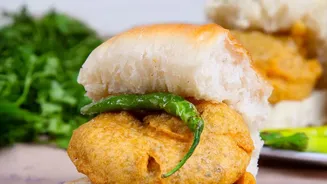
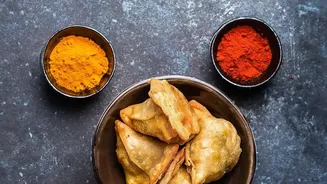
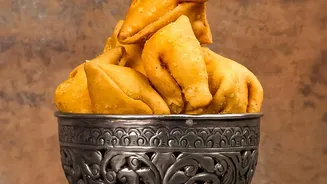
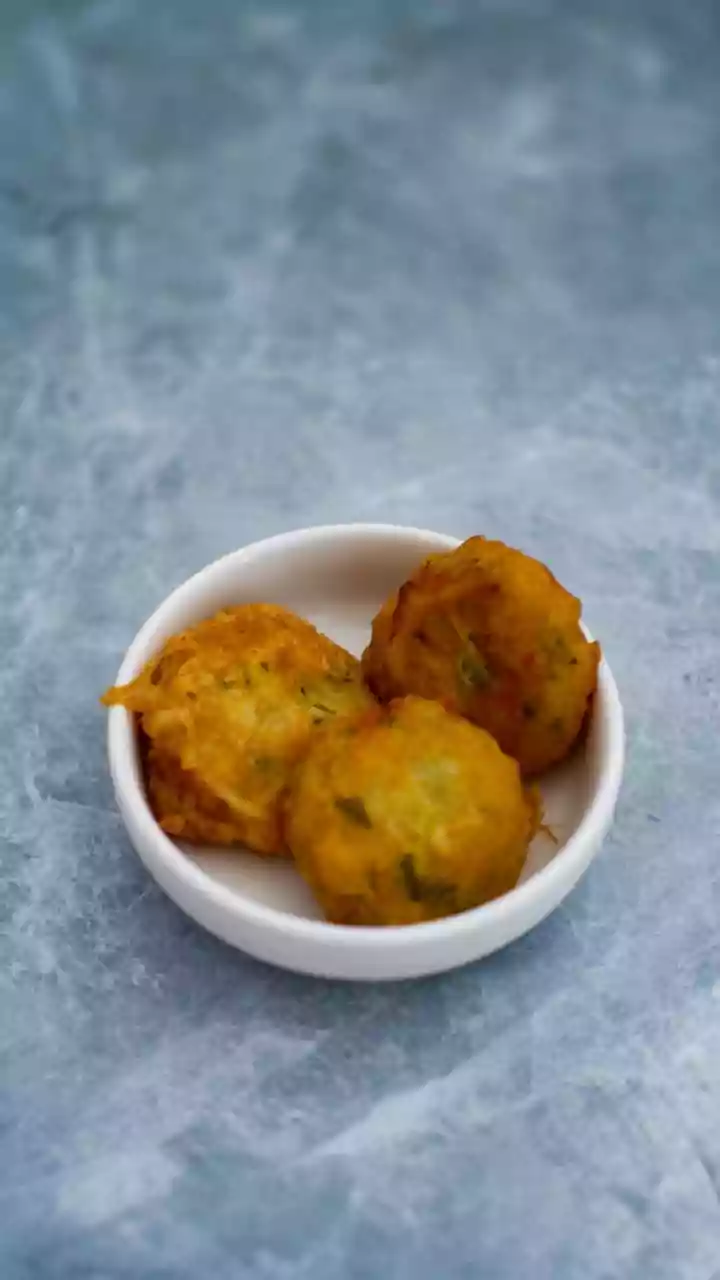
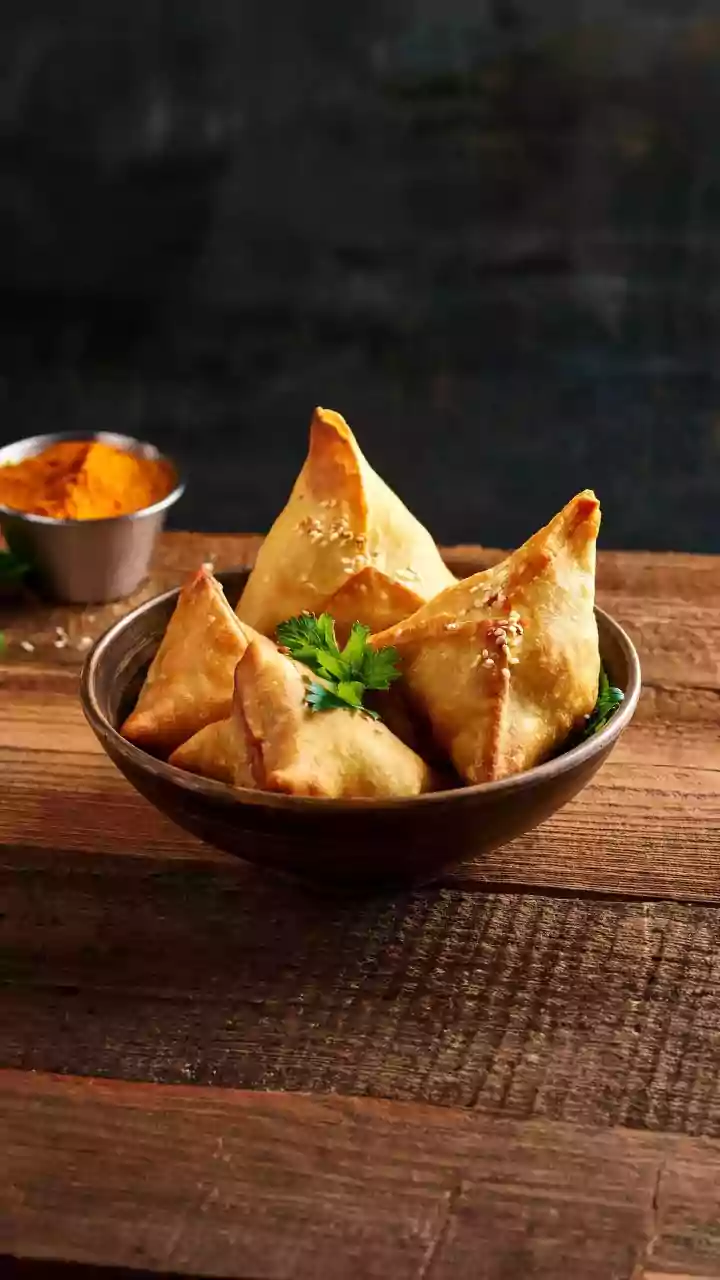
samosas, paneer bites, or even vada pav patties, the air fryer is your best friend. Simply brush or spray a minimal amount of oil onto the food and let the machine do the work. The key is to not overcrowd the basket; give each piece enough space to crisp up rather than steam. For a perfect air-fried vada, you can make the potato mixture as usual, coat it in a gram flour batter, and then air fry at 180°C for about 15 minutes. The result is a golden, crunchy exterior without the guilt of deep-frying.
Harness the Power of Your Oven
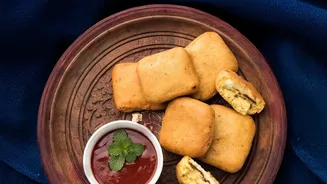
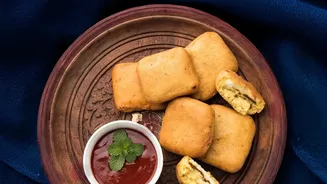
Don't underestimate the oven hiding in your kitchen. Baking is a fantastic, reliable method for achieving a satisfying crunch. It’s perfect for snacks that have a bit of structure, like baked samosas, mathri, and aloo tikkis. The trick is to preheat your oven properly to ensure the outside of the snack sets quickly, creating a firm shell that won’t get soggy. When making baked samosas, for instance, you prepare the dough and filling as you normally would, but instead of plunging them into hot oil, you arrange them on a baking sheet. Brush them lightly with oil and bake at around 200°C, flipping halfway through, until they are golden brown and crisp. This method gives you a wonderfully crunchy snack that is dramatically lower in fat.
Master a Smarter Way to Pan-Fry
If you still crave the sizzle of a pan, you don’t have to give it up entirely. Shallow frying is a simple step away from deep-frying that makes a huge difference. Instead of submerging the food in oil, you use just enough to coat the bottom of the pan—think a couple of tablespoons at most. This technique works beautifully for cutlets, kebabs, and tikkis. Using a good quality non-stick or heavy-bottomed pan is crucial as it distributes heat evenly, sealing the food's outer layer quickly and reducing oil absorption. Keep the flame on medium and be patient, flipping only once the first side is perfectly golden and crisp. For another clever trick, you can also use an appam or paniyarakkal pan. Its small, rounded cavities are perfect for making items like lentil vadas or vegetable balls with just a few drops of oil.
Rethink Batters and Doughs
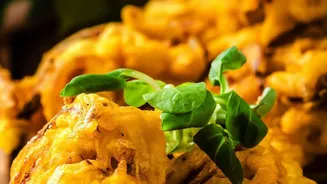
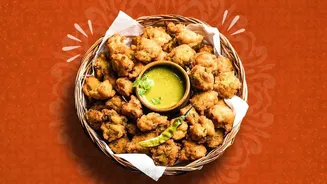
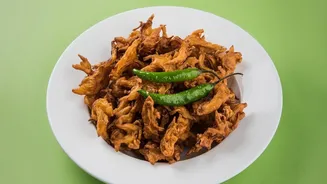
The ingredients you use in your dough or batter can significantly impact how much oil is absorbed during cooking. For samosa dough, some recipes suggest adding yogurt or using a mix of whole wheat and all-purpose flour to create a healthier crust. When making pakoras or bhajis, a thicker batter tends to absorb less oil than a thin, runny one. You can also incorporate ingredients like oats or semolina into tikki and kebab mixtures to act as a binding agent, reducing the need for excess oil to hold them together. For some vadas, steaming them first before a quick pan-sear is a great two-step method to ensure they are cooked through while getting that desirable crispy finish with minimal oil.
Go Naturally Low-Oil with Steaming and Chaat
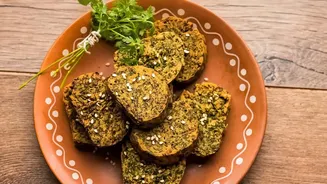
Sometimes, the healthiest route is also the most traditional. Many beloved Indian snacks are naturally low in oil. Steamed dishes like dhokla and khandvi are made with little to no oil and are packed with flavour. Momos filled with vegetables are another excellent example of a steamed snack that is both healthy and delicious. Furthermore, the world of chaat offers endless possibilities for low-oil creativity. You can construct a delicious bhel puri or chana chaat using puffed rice, boiled chickpeas, fresh vegetables, and tangy chutneys. Instead of fried papdis, try using baked whole-wheat crackers as a base for your sev puri. These dishes deliver all the complex, vibrant flavours that street food is famous for, proving that you don't need a pool of oil to create something truly satisfying.