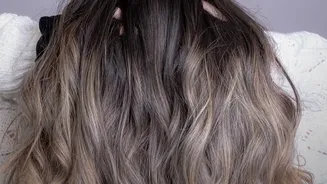




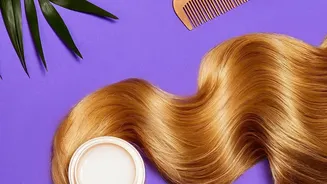


Freshly coloured hair feels fantastic, but keeping that soft, vibrant look can be a challenge. If you've ever wondered if you can skip conditioner to make your colour last longer, the science is clear: it's one of the worst things you can do.
Why Dyeing Makes Hair Thirsty
To understand
why conditioner is so crucial, we first need to look at what happens during the colouring process. Permanent hair dye uses chemicals like ammonia and hydrogen peroxide to work its magic. Ammonia raises the hair's outer layer, called the cuticle, allowing the dye to penetrate deep into the hair shaft. Peroxide then lightens your natural pigment to make way for the new colour. This process is effective, but it leaves the cuticle lifted and roughened. An open cuticle makes the hair more porous, causing it to lose moisture easily and feel dry, brittle, and rough. This structural change is why colour-treated hair is more prone to damage, frizz, and breakage.
How Conditioner Comes to the Rescue
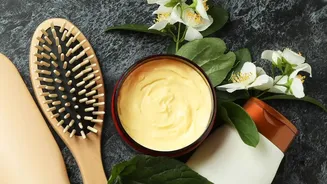
This is where conditioner becomes your hair's best friend. A good conditioner, especially one formulated for coloured hair, works to counteract the damage from dyeing. Its primary job is to smooth and seal the roughened cuticle. By closing this protective layer, conditioner helps to lock in the moisture that your porous hair desperately needs. This not only makes your hair feel softer and silkier instantly but also traps the colour molecules inside the hair shaft, which helps your expensive new shade last longer and stay vibrant. Think of it as a protective topcoat for your hair, shielding it from damage while enhancing its shine and texture.
Ingredients That Make a Difference
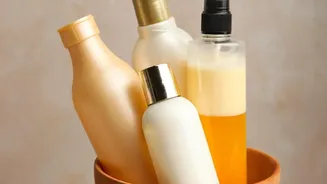
Not all conditioners are created equal, especially when it comes to caring for dyed hair. Look for formulas that are free from harsh sulfates, which can strip colour and moisture. Instead, seek out nourishing ingredients that specifically cater to the needs of processed hair. Emollients and natural oils like argan oil, shea butter, marula oil, and jojoba oil are fantastic for replenishing moisture and adding shine. Proteins such as keratin help to repair and strengthen the weakened hair structure. Antioxidants, like Vitamin E, are another great addition as they help protect your hair from environmental stressors that can cause colour to fade. These ingredients work together to restore health, softness, and vibrancy.
The Right Way to Condition
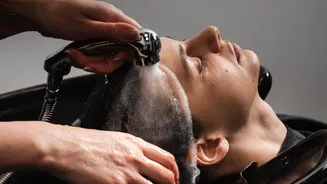
To get the most out of your conditioner, application matters. After shampooing (preferably with a colour-safe, sulfate-free formula), gently squeeze the excess water from your hair. Focus on applying the conditioner primarily to the mid-lengths and ends, as these areas are typically the oldest and most damaged and don't benefit as much from the natural oils from your scalp. Let the conditioner sit for a few minutes to allow the ingredients to penetrate the hair shaft before rinsing thoroughly with lukewarm or cool water. Hot water can cause the cuticle to swell and release colour, so turning the temperature down is a simple trick to preserve your shade.
The Cost of Skipping Conditioner
Skipping conditioner on colour-treated hair is a recipe for dullness and damage. Without it, the hair cuticle remains raised and open after washing. This leads to a rapid loss of moisture, leaving your hair feeling like straw and looking frizzy. An unsealed cuticle also means the colour molecules can easily wash out, causing your shade to fade much faster than it should. Over time, this cumulative dryness and exposure make the hair weaker and more susceptible to split ends and breakage. What starts as an attempt to preserve colour ironically ends up making it look faded and unhealthy much sooner.