


The Soulful Shift from Mass-Produced
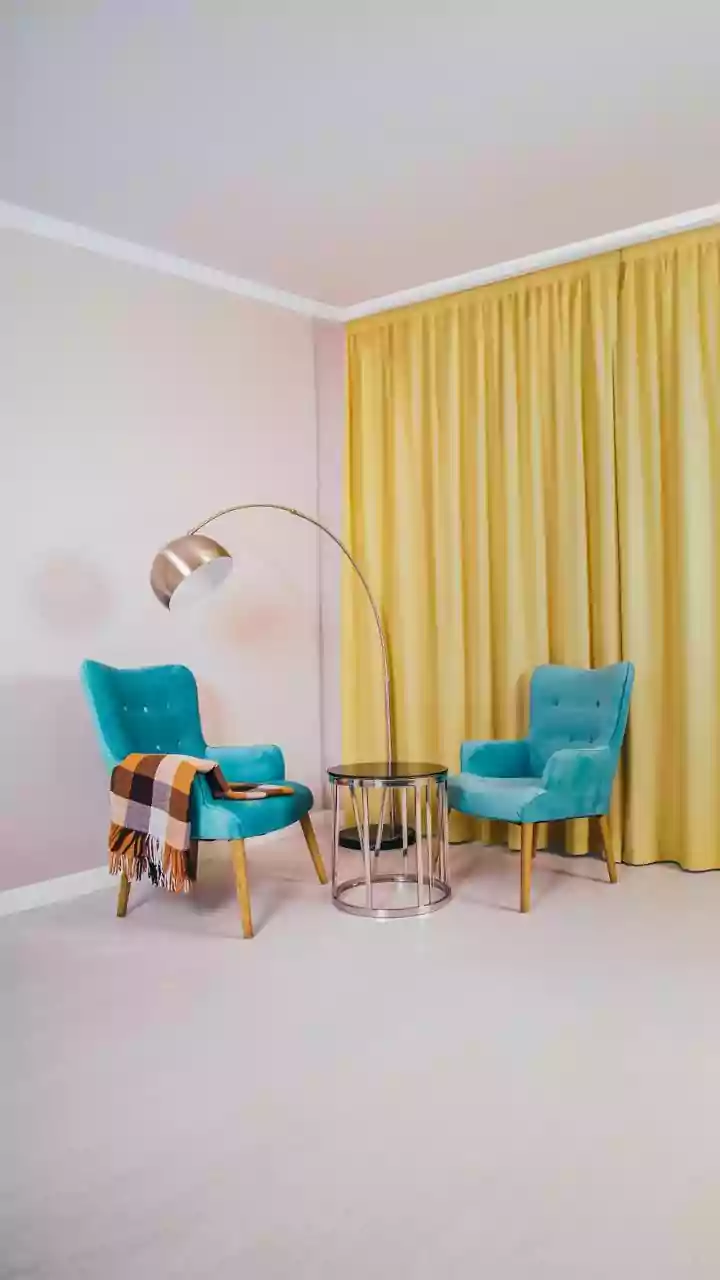
There's a quiet revolution happening in our living rooms and bedrooms. The era of flat-pack, one-size-fits-all furniture is giving way to a more personal and meaningful approach to decorating. Homeowners are increasingly looking past mass-produced perfection
and seeking out pieces that have character and a story to tell. This trend, sometimes called 'warm minimalism', isn't about accumulating clutter. Instead, it’s a thoughtful curation of objects that reflect individuality and a connection to our roots. It's about creating spaces that are not just visually pleasing but also emotionally resonant—a sanctuary that feels both stylish and deeply personal. The shift is driven by a desire for authenticity and a renewed appreciation for quality craftsmanship that stands the test of time.
A Renaissance of Indian Craftsmanship
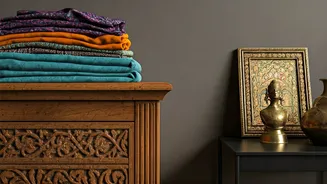
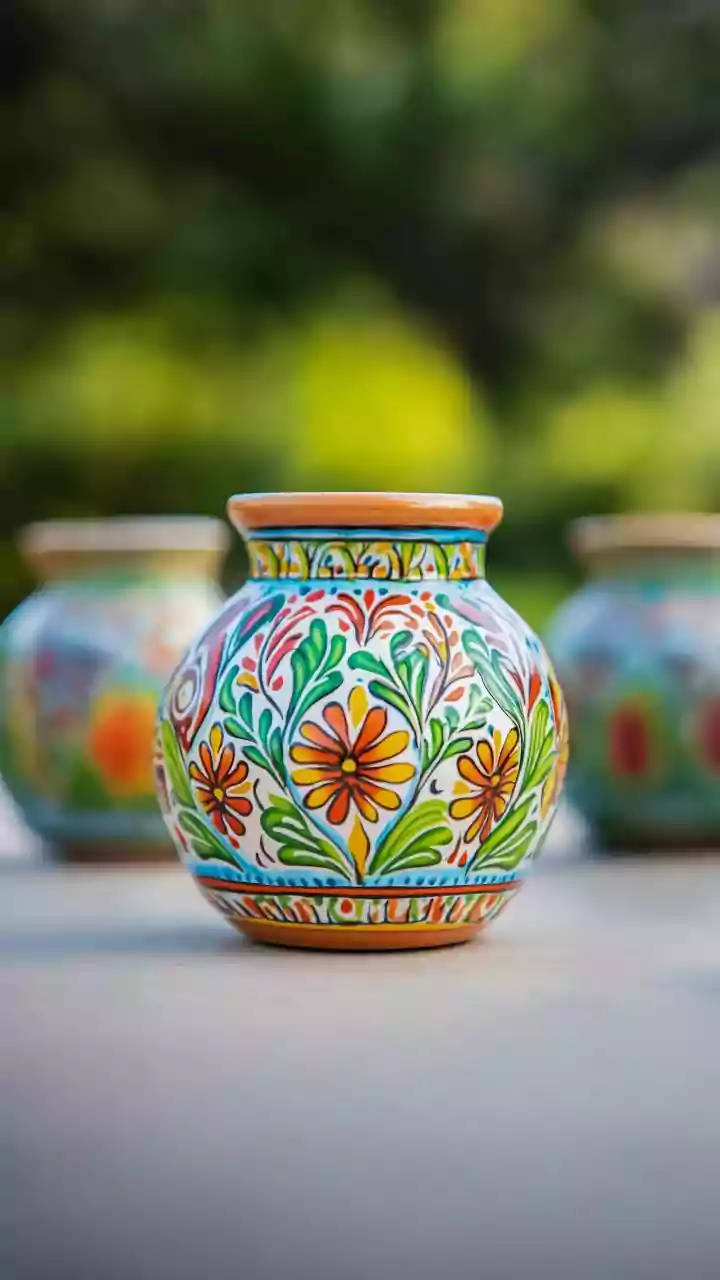
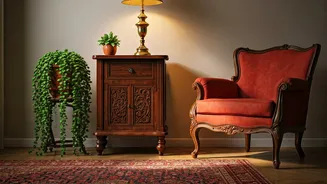
The heart of this new decor movement is a celebration of India's vast repository of artisanal skills. From the intricate woodwork of Gujarat to the vibrant textiles of Rajasthan, traditional crafts are being rediscovered and integrated into modern homes. Think hand-carved wooden furniture, block-printed fabrics, and metalwork like Dhokra from tribal communities. These are not just decorative items; they are pieces of cultural heritage. Incorporating items like a handwoven dhurrie, a statement piece of Madhubani or Pattachitra art, or terracotta pottery adds a layer of authenticity that machine-made goods simply cannot replicate. This revival supports local artisans and preserves age-old techniques, making your home a patron of living history.
Weaving a Cultural Narrative
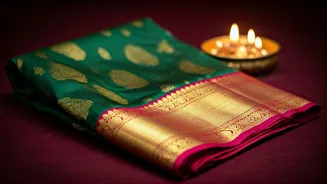
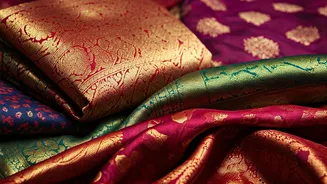
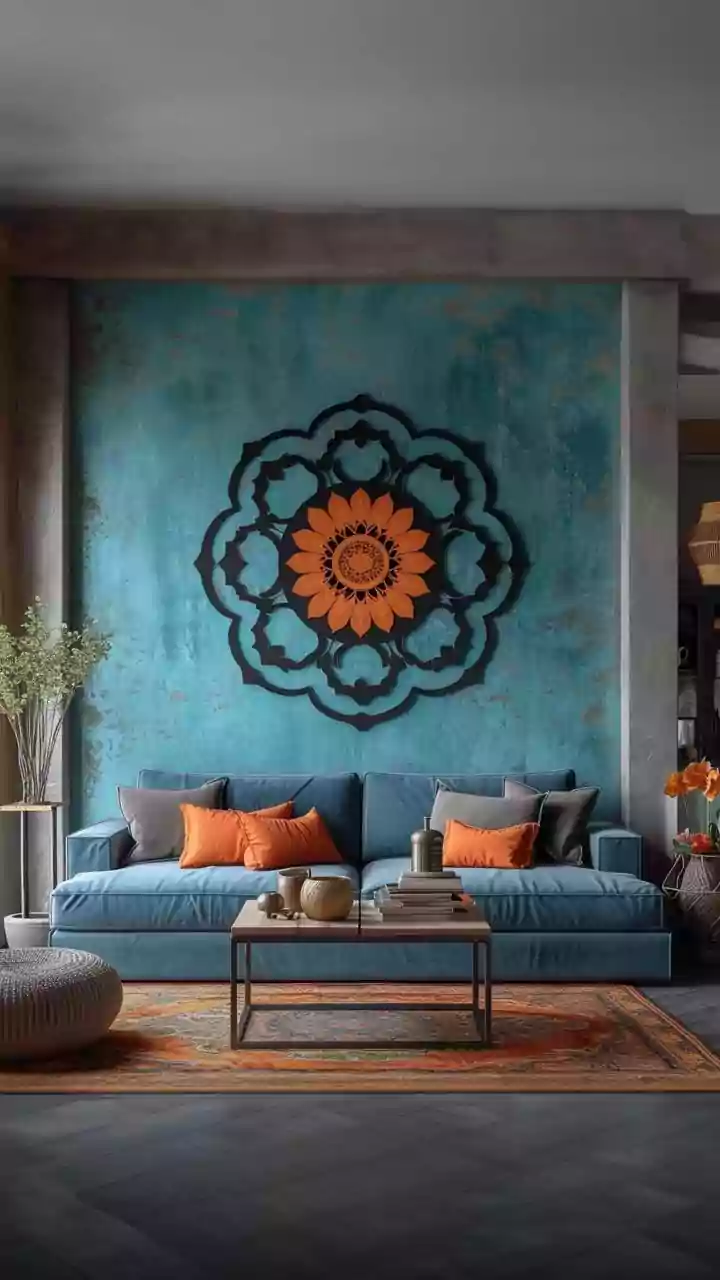
Beyond aesthetics, this trend is about using our homes to tell a story of who we are. It’s about creating a personal museum of memories and heritage. This can be as simple as framing and hanging an old sari, creating a gallery wall that mixes family photographs with folk art, or using brass heirlooms as decor accents. The goal is to build a space that feels uniquely Indian and uniquely you. Traditional motifs like paisleys or mandalas are finding their way onto walls, cushions, and rugs, blending seamlessly with contemporary furniture. It’s a way of staying connected to our cultural identity in a globalised world, making our homes a rich tapestry of personal and collective history.
The Power of Texture
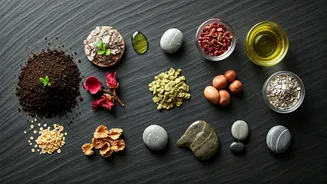
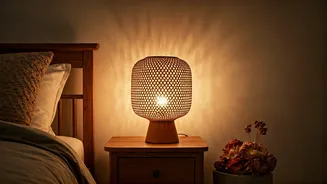
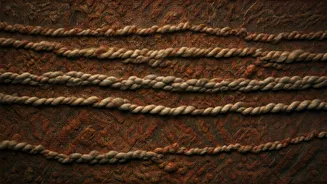
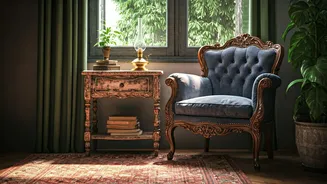
Texture is the unsung hero of this decor trend. While colour and pattern grab immediate attention, it is texture that adds depth, warmth, and a tactile quality to a room. Designers are moving away from flat, glossy surfaces and embracing a variety of finishes. Think of the contrast between a smooth, cool stone floor and a plush, hand-knotted Kashmiri carpet. Consider layering different fabrics: a silk cushion on a linen sofa, or jute blinds filtering light onto a wooden armchair. Natural materials like cane, rattan, jute, and bamboo are in high demand, bringing an earthy, organic feel indoors. This multi-layered approach makes a space feel more dynamic, inviting, and lived-in.
How to Embrace the Trend
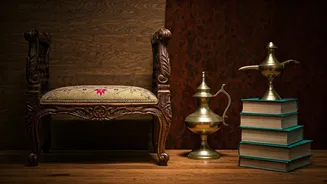
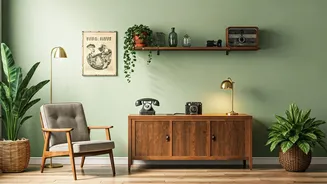
Incorporating craft, culture, and texture doesn't require a complete overhaul. Start small. Introduce a few handcrafted cushions or a block-printed throw to your living room. Invest in a single statement piece, like a carved wooden side table or a handmade lamp. Visit local markets and artisan collectives. Mix old with new; a vintage brass pot can look stunning on a modern console table. The key is balance. Use a neutral palette as a base to let your traditional pieces shine without overwhelming the space. Most importantly, choose items that you genuinely love and that resonate with your personal story. Your home should be a reflection of your journey.