


The Search for Serenity
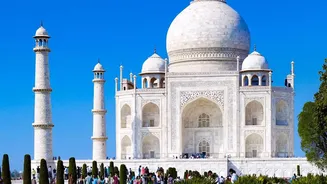
Peak tourist season often comes with a trade-off: iconic sights are accompanied by overwhelming crowds. Visiting popular destinations during their 'off' months provides a rare opportunity for tranquility. Imagine exploring Rajasthan’s majestic forts during the summer,
when the tourist footfall is minimal. You can wander through palaces in Jaipur or Jodhpur without jostling for space, allowing for a more personal and reflective experience. Similarly, the monsoon season transforms Goa from a party hub into a serene, green paradise. The beaches are quieter, the landscapes are lush, and the atmosphere is unhurried, offering a soulful getaway that peak-season visitors rarely see. This peace allows for deeper cultural immersion, whether it's having unhurried conversations with locals or simply soaking in the ambience of a place without distraction.
A Greener Way to Travel
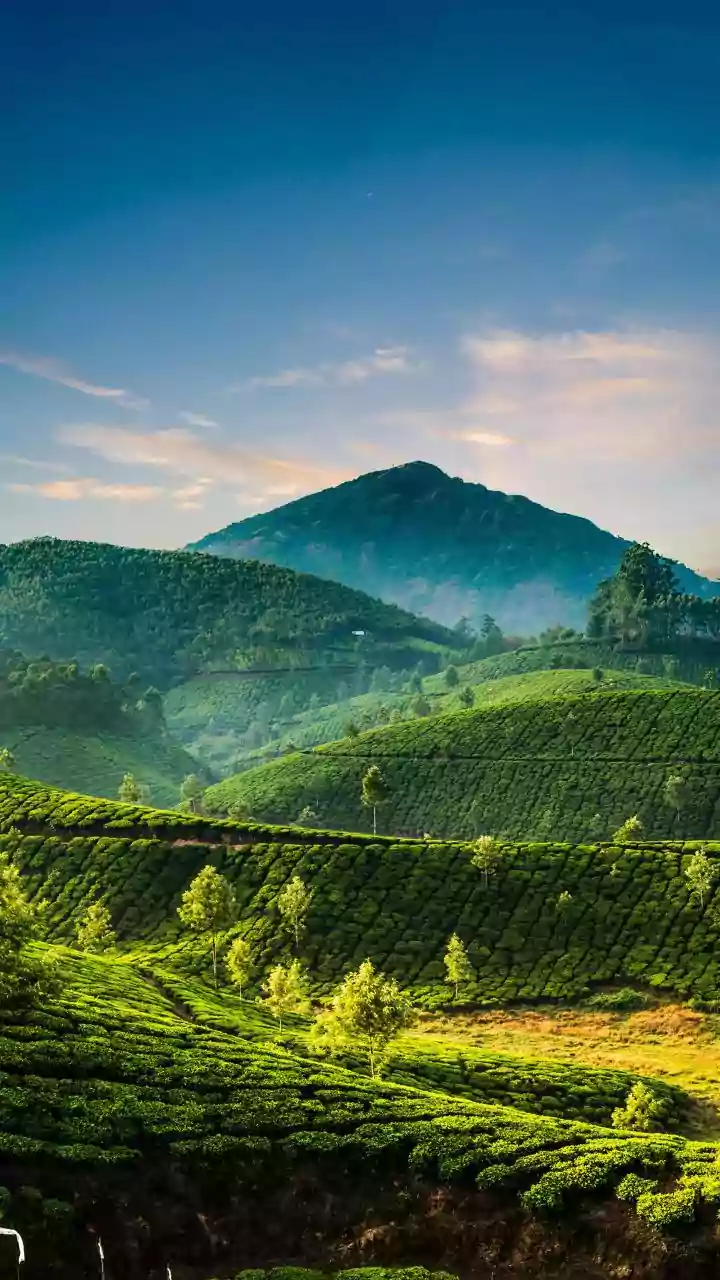
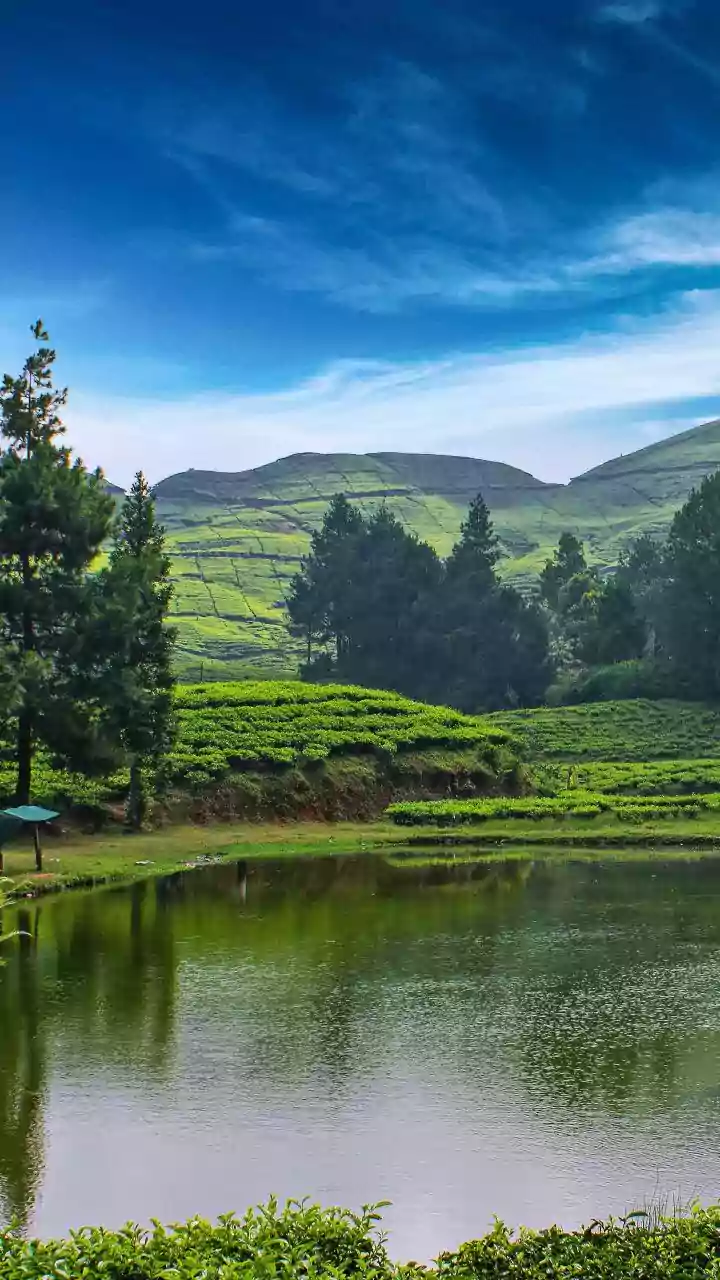
Sustainable tourism is about minimising negative impacts and maximising benefits for local communities and the environment. Off-season travel is an effective way to contribute to this goal. When tourist arrivals are spread more evenly throughout the year, it reduces the immense pressure on local resources like water and energy that occurs during peak months. Fewer people mean less waste generated and a lighter environmental footprint on ecologically sensitive areas. Furthermore, many destinations reveal a unique natural beauty during their off-seasons. In Kerala, the monsoon rejuvenates the backwaters and forests, creating breathtaking green landscapes. In Goa, waterfalls like Dudhsagar are at their most powerful and spectacular during the rains, an experience missed during the dry winter months. By choosing to travel during these times, you are not only getting a unique view but also helping to preserve the destination's natural charm.
Supporting Local Economies Year-Round
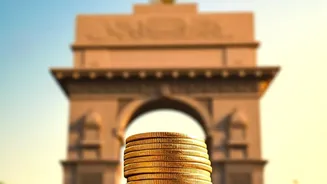
Many tourist destinations in India operate on a seasonal economy, leading to financial instability for local workers and businesses during the lean months. When you travel off-season, your spending provides a vital income stream when it is needed most. This consistent revenue helps artisans, guides, restaurant owners, and transport operators maintain their livelihoods throughout the year, fostering a more resilient local economy. It encourages the year-round employment that is crucial for community stability. Moreover, with fewer tourists, there's a greater chance for meaningful interactions, and your money is more likely to directly benefit small, local enterprises rather than just large, commercial chains that dominate the peak season.
The Practical Perks of Off-Peak Trips
Beyond the philosophical benefits, off-season travel comes with significant practical advantages. The most obvious is the cost. Flights, accommodations, and tour packages are often available at a fraction of their peak-season prices, making luxury stays and extended trips more accessible. Destinations like Rajasthan see hotel rates drop significantly in the summer, allowing a stay in a heritage property to become surprisingly affordable. However, it's essential to plan wisely. Off-season weather can be a major factor, whether it's the summer heat in Rajasthan or heavy rains in Goa and Kerala. It's advisable to plan activities for cooler parts of the day, like early mornings and evenings, and check in advance if certain attractions or activities, like beach shacks or water sports, are operational.