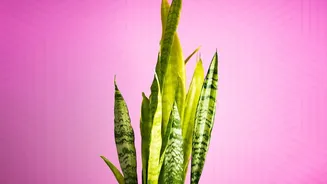


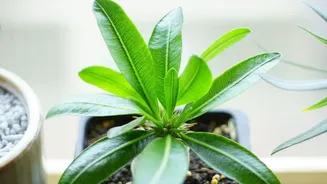

1. Snake Plant (Sansevieria trifasciata)
The Snake Plant is the undisputed champion of low-maintenance indoor greenery. Its stiff, upright leaves are not just architectural and stylish; they are also fantastic at storing water. This makes the plant incredibly resilient to the primary danger
of monsoon gardening: overwatering. During the rainy season, high humidity means you should reduce your watering frequency significantly. Wait until the soil is completely dry to the touch before giving it a drink. Snake Plants tolerate low light well, making them perfect for corners that don't get much sun during overcast days. They also help purify the air, which is a great bonus when windows are kept closed.
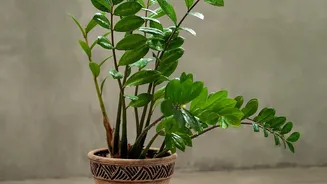
2. ZZ Plant (Zamioculcas zamiifolia)
If you're looking for a plant that is nearly indestructible, the ZZ Plant is your answer. Its wide, glossy, dark green leaves look perpetually polished and bring a touch of the tropics indoors. The ZZ Plant is famously drought-tolerant and thrives on neglect, making it an ideal companion for the wet season. It stores water in its potato-like rhizomes, guarding it against root rot. During periods of high humidity, it's crucial to let the soil dry out completely between waterings. While it can survive in very low light, providing it with bright, indirect light will keep it at its best. Good air circulation is also beneficial to combat the damp air.
3. Golden Pothos or Money Plant (Epipremnum aureum)
A staple in many Indian homes, the Money Plant, or Golden Pothos, seems almost made for the monsoon. This versatile trailing vine grows vigorously in high humidity, and its heart-shaped leaves add a beautiful cascading element to shelves and hanging baskets. While Pothos enjoys moist conditions, it doesn't like to be waterlogged. The key during the rainy season is to ensure its pot has excellent drainage and to water only when the top few inches of soil feel dry. It's an incredibly forgiving plant and will often droop slightly to let you know when it's thirsty. It adapts well to various light levels, from low to bright indirect light.
4. Spider Plant (Chlorophytum comosum)
The Spider Plant is a cheerful and easy-going plant known for its arching leaves and the little 'spiderettes' that dangle from the mother plant. It is highly adaptable and handles the high humidity of the monsoon with ease. These plants prefer their soil to be consistently moist but not soggy, so good drainage is a must to prevent root rot during damper months. They are great communicators; if you see the tips of the leaves turning brown, it might be a sign of too much water or chemicals in tap water. Spider plants are excellent air purifiers and thrive in bright, indirect light but can also tolerate lower light conditions, making them a flexible choice for any room.
5. Peace Lily (Spathiphyllum)
For those who want a touch of floral elegance, the Peace Lily is a fantastic choice. With its glossy, dark green leaves and iconic white spathe flowers, it brings beauty to any space. Peace Lilies are known for their ability to absorb excess moisture from the air, which can help reduce dampness and prevent mold during the monsoon. They thrive in high humidity and prefer consistently moist soil. However, during the rainy season, you'll need to water less frequently. A good rule of thumb is to water when the plant begins to droop slightly. They are also well-suited to the lower light levels common during this time of year.