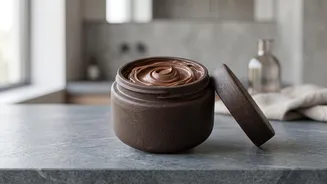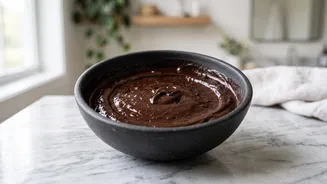



The idea of a chocolate face mask sounds like the ultimate self-care treat. It’s decadent, smells incredible, and promises flawless, glowing skin. But before you raid your pantry, it's worth asking: do these delicious DIY treatments live up to the hype?
The Allure of Edible Skincare
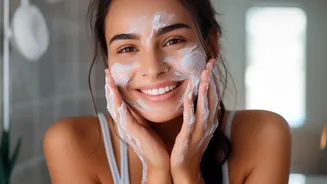
It’s a trend that floods social media feeds: influencers and beauty enthusiasts alike slathering their faces in rich, dark concoctions. The appeal is obvious. It combines the luxurious, sensory experience of chocolate with the growing desire for 'natural' and homemade beauty solutions. The logic seems simple: if an ingredient is good to eat, it must be good for your skin. Cocoa is packed with antioxidants called flavonoids, which are known to have health benefits when consumed. The promise is that these same benefits can be delivered topically, resulting in a spa-like treatment from the comfort of your kitchen.
The Claim: A Recipe for Perfect Skin
Proponents of chocolate masks claim a wide range of benefits. They suggest that the antioxidants in cocoa can fight free radicals, which contribute to premature aging. The promises often include reduced inflammation, protection from sun damage, improved skin hydration, and a vibrant, youthful glow. Some even suggest that the caffeine content can stimulate blood flow, resulting in a brighter complexion. With claims of fighting everything from wrinkles to dullness, it’s no wonder so many are tempted to give it a try.
The Reality: Not a Skincare Superhero
While cocoa's antioxidant properties are well-documented when ingested, the evidence for topical application is much weaker. Many dermatologists are skeptical, pointing out that DIY preparations are not the same as professionally formulated skincare products. One major issue is that the molecules in cocoa powder may be too large to effectively penetrate the skin's surface and deliver their benefits. While some studies show cocoa’s antioxidants can reach the top layer of skin, their overall effectiveness in a homemade mask is debatable. Most research highlighting cocoa's skin benefits, such as improved elasticity and hydration, has focused on oral consumption of high-flavanol cocoa supplements over several weeks, not on applying it to the face for 20 minutes.
The Potential Downsides of DIY Masks
Beyond a lack of proven results, homemade chocolate masks can carry risks. The type of chocolate used matters immensely. Many recipes call for cocoa powder, but if you use a standard chocolate bar, the added sugar and milk solids can be problematic. Sugar can feed bacteria on the skin, potentially worsening acne, while other ingredients might clog pores. Furthermore, DIY concoctions lack the preservatives and stable formulations of commercial products, which means they can introduce bacteria or cause skin irritation and allergic reactions. Unregulated ingredients like lemon juice or baking soda, sometimes mixed into these masks, can disrupt the skin's natural pH barrier, leading to dryness, sensitivity, and even chemical burns.
Better Ways to Get That Glow
If you're seeking the antioxidant benefits promised by chocolate, you have more reliable options. For topical application, dermatologists recommend products formulated with proven antioxidants like Vitamin C, Vitamin E, resveratrol, or niacinamide. These ingredients are designed for skin absorption and have extensive research backing their effectiveness. As for the chocolate itself, the science is much clearer: eating a small amount of high-cacao (70% or more) dark chocolate is a more evidence-based way to get its skin-protective benefits. Studies have shown that consuming dark chocolate can improve skin hydration, blood flow, and even offer some protection against UV damage.