








Trust Through Transparency
At its core, the preference for open kitchens is rooted in a fundamental desire for trust. In an era where consumers are increasingly conscious of health, hygiene, and ingredient sourcing, seeing is believing. An open kitchen acts as a powerful statement
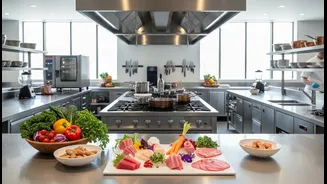
of confidence from the restaurant, effectively telling diners, "We have nothing to hide." This transparency is especially crucial for younger, tech-savvy consumers who demand authenticity from the brands they support. After years of growing awareness around food safety, the ability to witness clean, professional, and orderly food preparation processes firsthand eliminates uncertainty and builds immediate confidence in the quality of the meal to come. This visual reassurance is a direct response to a consumer base that values honesty and clarity.
The Kitchen as Culinary Theatre
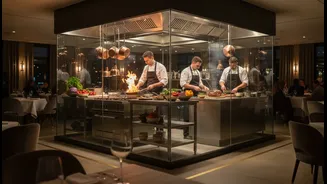
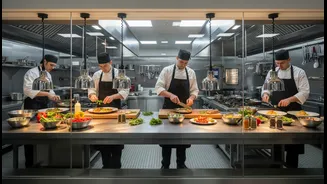
Beyond the practicalities of hygiene, the open kitchen transforms dining into a multisensory experience. It turns the kitchen from a hidden, functional space into a vibrant stage. Chefs are no longer just cooks; they are performers, and their skillful chopping, sizzling, and plating become a form of live entertainment. This 'culinary theatre' adds a dynamic and engaging element to the meal, making the entire experience more memorable. For many young diners, going out to eat is not just about the food but about the overall event. A recent report highlighted that 61% of Indian diners value interactive elements like open kitchens and chef interactions. The energy, sounds, and sights of a busy kitchen create an immersive atmosphere that a closed-off dining room simply cannot replicate.
Designing for the Digital Age
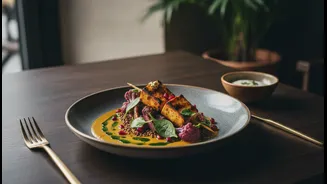
The rise of social media has profoundly influenced dining habits, and the open kitchen is perfectly suited for the Instagram generation. The visual drama of flames flaring up, chefs in focused action, and artfully arranged plates provides a wealth of 'story-worthy' content. Diners are no longer just sharing a picture of their finished meal; they are documenting the entire experience, from preparation to presentation. This behind-the-scenes access gives them a richer narrative to share with their online communities. For restaurants, this is a low-cost, high-impact marketing tool. Encouraging patrons to post images and videos of their open kitchen creates organic buzz and authentic promotion that resonates powerfully with potential new customers.
A Deeper Connection to Food
The open kitchen also fosters a greater appreciation for the craft of cooking. By breaking down the physical barrier between the chef and the diner, it bridges a psychological gap. Patrons can witness the skill, precision, and hard work that go into each dish, leading to a newfound respect for the culinary arts. This connection is part of a broader shift among younger consumers toward understanding the provenance of their food—where it comes from, who made it, and how. The open kitchen demystifies the process, making the chef more accessible and the food more meaningful. This interaction, even if just visual, helps build a stronger, more personal relationship between the restaurant and its customers.