







The Age of Overchoice is Over
The initial promise of e-commerce was the 'endless aisle'—a bottomless inventory that physical stores couldn't match. But for the modern Indian shopper, this has led to decision fatigue. Consumers are now signaling a clear preference for experience over
just acquiring products. Faced with rising costs and a desire for more value, households are becoming more deliberate about what, where, and how they buy. This has created a shift away from transactional, product-centric buying towards a desire for more meaningful and emotionally resonant shopping journeys. In a choice-saturated market, simply having everything is no longer a winning strategy; the new goal is to make the customer's choice easy and inspiring.
From Catalogue to Curated Context
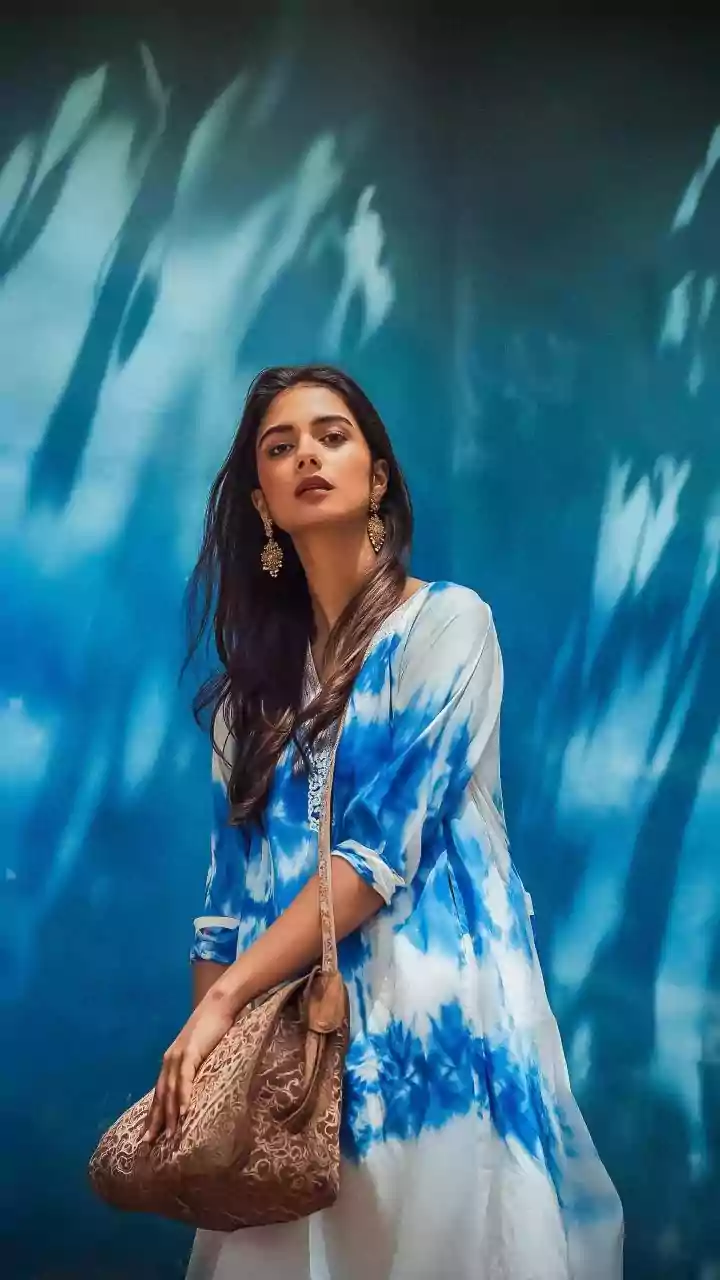
The future of Indian retail isn't a list of products; it's a 'look'. Instead of selling a single shirt, platforms are now selling a complete, styled outfit, often showcased by an influencer. This is the essence of 'visual' and 'social' commerce, a trend rapidly gaining momentum. Driven by platforms like Instagram and the prolific rise of short-form video, consumers discover and desire products in a fully contextualised, aspirational setting. The product is secondary to the aesthetic. E-commerce giants are increasingly integrating shoppable content, turning Bollywood trends and viral moments into immediate purchase triggers, effectively bridging the gap between entertainment and commerce.
The Undeniable Influence of Social Commerce
Social commerce—the seamless integration of social media and e-commerce—is set to become a dominant force in India. The market is projected to grow from around $2 billion in 2020 to as much as $70 billion by 2030. Platforms like Facebook and Instagram are no longer just for discovery; they are becoming virtual storefronts. This shift is powered by India's massive and growing base of internet users, particularly from Tier-2 and Tier-3 cities, who are increasingly using social media for product research. For these new-to-online shoppers, trust and guidance are key. Seeing a trusted creator recommend a product or a 'look' provides a layer of validation that a simple product listing cannot offer.
Who's Getting It Right?
Leading fashion platforms like Myntra and Ajio are at the forefront of this evolution. Myntra has strategically positioned itself as a fashion authority, moving beyond being a mere marketplace. It has heavily invested in a content ecosystem, including its proprietary 'Myntra Studio', which features shoppable content from a vast network of creators. This focus on influencer collaborations gives them a persuasive edge. Similarly, Ajio targets fashion-forward individuals with curated collections and exclusive brand collaborations, creating an edgy, trend-driven identity. Both platforms understand that the modern consumer, especially Gen Z, is acquired through inspiration, not just discounts.
The Psychology of Selling a Vibe
Why is the 'look-based' approach so effective? It taps into a fundamental psychological shift. Consumers, particularly Millennials and Gen Z, are increasingly spending on experiences rather than just things. A curated look is more than a set of products; it's a packaged identity, a shortcut to a desired style, and a solution to the dreaded "what do I wear?" question. It simplifies decision-making while providing a sense of discovery and personal expression. By presenting products in an aspirational context, brands are not just selling clothes; they are selling confidence, belonging, and a feeling, which builds a much stronger emotional connection and, ultimately, greater loyalty.