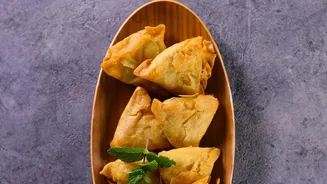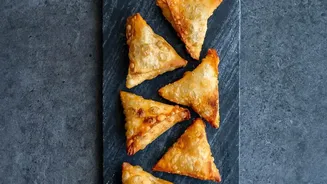

The Guilt-Free Samosa Dream
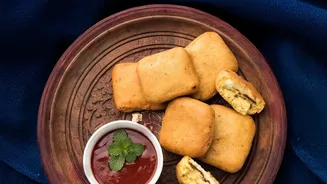
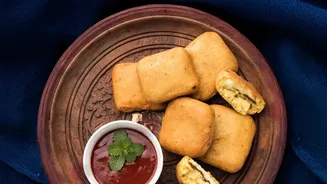
The appeal of an air-fried samosa is simple: all the flavour with significantly less fat. Traditional deep-frying involves completely submerging the pastry in hot oil, which, while delicious, adds a substantial amount of calories and fat. An air fryer,
by contrast, circulates superheated air to cook the food, requiring only a light brush or spray of oil. This method can reduce the oil used by up to 80%, resulting in a lighter, healthier snack that's easier to digest. A typical deep-fried samosa can contain 250-300 calories, whereas its air-fried counterpart often falls between 180-220 calories. This makes it a compelling option for health-conscious individuals and anyone craving a satisfying snack without the heaviness of a deep-fried indulgence.
The Quest for the Perfect Crunch
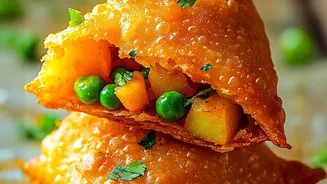
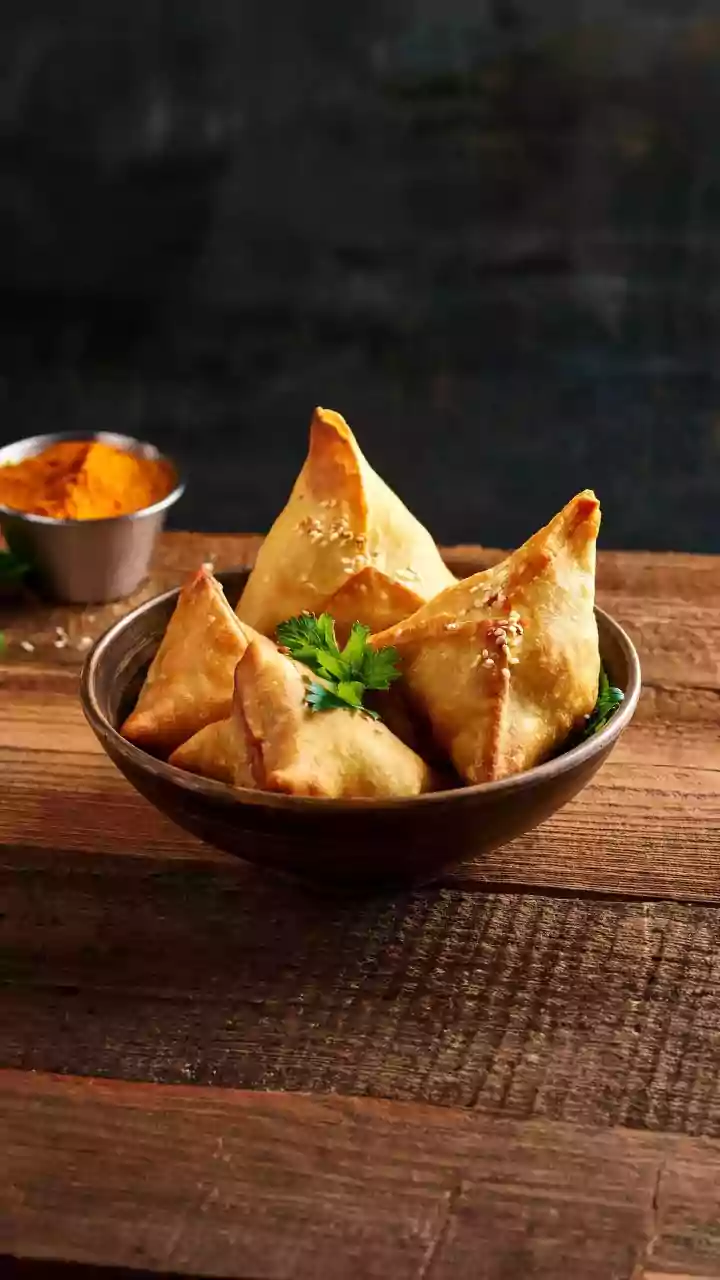
The biggest question for any samosa purist is whether an air fryer can truly replicate the bubbly, shattering crust of a deep-fried version. The textures are indeed different. Deep-frying creates a rich, flaky pastry, while air-frying produces a crispness that is slightly drier and lighter. The key to success lies in technique. An air fryer mimics the Maillard reaction—the chemical process that gives fried food its golden-brown colour and flavour—using intense heat rather than oil. The result is a satisfyingly crunchy shell, even if it lacks the exact blistered appearance of its deep-fried cousin. The taste of the filling remains identical, and some even find that the lighter pastry allows the spiced potato and pea mixture to shine through more.
The Air Fryer Technique
Achieving a golden, crispy samosa in the air fryer is not as simple as just turning it on. The process requires a few key steps for optimal results. First, always preheat your air fryer to around 180-190°C (350-375°F). Placing samosas in a cold basket can cause them to steam, resulting in a soft, pale pastry. Arrange the samosas in a single layer, ensuring they don’t touch. Overcrowding the basket prevents hot air from circulating freely, leading to uneven cooking. For the best finish, lightly brush or spray each samosa with oil before cooking; this is crucial for achieving a golden-brown colour and crispy texture. Cook for about 12-15 minutes, flipping them halfway through to ensure both sides are evenly browned and crisp. Using a cooled filling is also essential, as a warm filling can make the dough soggy from the inside.
Common Pitfalls and Easy Fixes
Several common mistakes can lead to disappointing results. If your samosas turn out dry, you may not have used enough oil on the pastry. A light, even coating is necessary. If they are pale and soft, the cause is likely overcrowding the basket or not preheating the appliance. Another frequent issue is the filling leaking out. This usually happens when the samosa isn't sealed properly or has been overstuffed. When shaping your samosas, use a small amount of water to seal the edges securely, and ensure there's a generous overlap in the dough to create a strong seam. If you're using store-bought frozen samosas, cook them directly from frozen; thawing can make them lose their structure and split open during cooking.
The Verdict: A Worthy Alternative
So, is the air-fried samosa a perfect replacement for the deep-fried original? For many, the answer is a resounding yes, especially for regular, at-home snacking. While nothing can perfectly replicate the indulgent, rich texture of a street-style deep-fried samosa, the air fryer version comes incredibly close. It delivers a genuinely crispy, flavourful, and satisfying experience with a significant health advantage. It eliminates the mess of dealing with a large pot of oil, reduces lingering cooking smells, and makes cleanup remarkably easy. For special occasions, the traditional method may still hold its charm, but for a quick, guilt-free tea-time treat, the air fryer has proven itself to be more than just a convenient alternative—it's a game-changer.