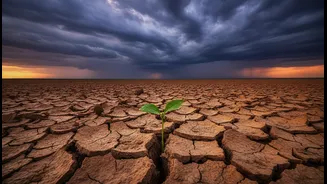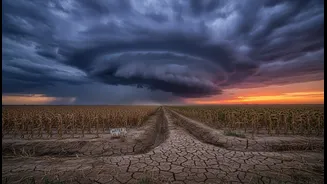






What Exactly Is El Niño?
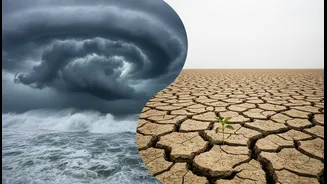
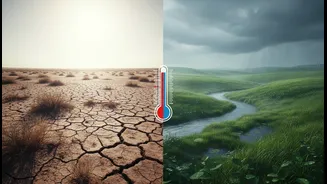
El Niño is a climate pattern defined by the unusual warming of surface waters in the central and eastern Pacific Ocean. Think of it as a massive disruption to the planet's weather engine. Normally, trade winds push warm water towards Asia, but during
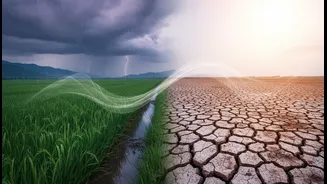
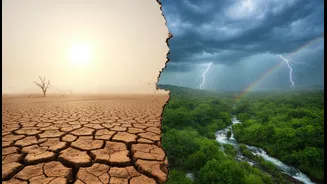
an El Niño, these winds weaken. This allows the warm water to shift eastward, altering atmospheric circulation globally. For India, this typically means a weaker and more erratic southwest monsoon, the season that brings about 70% of the country's annual rainfall.
The Monsoon Connection and Farm Distress
India's agriculture is heavily dependent on the monsoon, with nearly half of its farmland still being rain-fed. A weak or delayed monsoon, which El Niño often causes, directly threatens agricultural output. The India Meteorological Department (IMD) has already forecast below-normal rainfall for July 2026, following one of the driest Junes on record. This deficit can delay the sowing of key kharif (monsoon) crops like rice, pulses, sugarcane, and cotton. Farmers face a double bind: lower yields from poor rainfall and higher costs from needing to rely more on groundwater, which requires more electricity or diesel for pumps.
From the Farm to Your Kitchen
The most immediate impact for urban households is food inflation. Reduced production of weather-sensitive crops like vegetables, pulses, and oilseeds leads to supply shortages and price hikes. Prices for essentials like tomatoes, onions, and cabbages have already seen increases due to heatwaves and delayed rains. This isn't just a temporary spike; a poor monsoon can affect food availability for months, impacting everything from your daily sabzi to the price of milk, as fodder for cattle becomes scarcer. Food accounts for a significant portion of the consumer price index, meaning these increases can drive overall inflation higher, as noted by the Reserve Bank of India.
The Strain on the National Budget
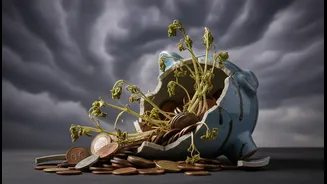
It's not just individual households feeling the pinch. A struggling agricultural sector puts significant pressure on the national budget. Lower farm incomes reduce rural demand for goods like two-wheelers and consumer products, which can slow down industrial growth and lower tax revenues. Simultaneously, government spending often increases. Policymakers may need to provide greater financial support to distressed farmers, release food from buffer stocks, or even increase imports of essential commodities to control prices, all of which strain public finances. A severe El Niño event could potentially shave points off India's GDP growth.
How to Prepare Your Household Budget
With unpredictability on the rise, proactive financial planning becomes crucial. Start by tracking your spending, particularly on groceries, to identify where costs are increasing. Building a small contingency fund can help absorb sudden price shocks. Be mindful of electricity usage, as higher temperatures linked to El Niño can lead to increased demand for cooling and higher utility bills. While India is better prepared to handle monsoon shocks than in the past, with better irrigation and food stocks, individual households will still feel the effects. Staying informed about price trends and planning for potentially higher essential expenses can help navigate the economic uncertainty that this climate pattern brings.