







Ignore the Health Halos
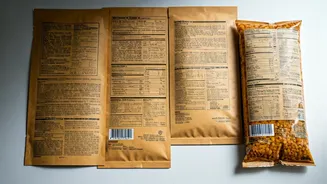
The front of a package is prime real estate for advertising. Words like “Natural,” “Healthy,” “Organic,” or “Zero Maida” create a “health halo,” making us feel good about a purchase before we’ve even checked the facts. However, these claims can be misleading.
For instance, a product might be “baked, not fried,” but still be high in sugar and sodium. Similarly, recent actions by the Food Safety and Standards Authority of India (FSSAI) have targeted brands using terms like “Organic” without the required certifications or “Vegan” without the proper endorsements. The first step in back-label discipline is to treat all front-of-pack claims with healthy scepticism and flip the packet over to find the truth.
The Ingredient List is King
The single most important section on any food label is the ingredients list. Under FSSAI regulations, ingredients must be listed in descending order by weight. This means the first three to five ingredients make up the bulk of the product. If you see sugar, maida (refined flour), or palm oil listed near the top of a supposedly healthy snack, it’s a major red flag. Another critical skill is spotting hidden sugars. Manufacturers often use multiple types of sugar so that none of them appear as the top ingredient. There are over 60 names for sugar, including corn syrup, dextrose, maltose, fructose, and fruit juice concentrate. If the list is filled with words ending in “-ose” or contains various syrups, the product is likely much higher in sugar than you think.
Master the Nutrition Panel
The nutrition facts table can look intimidating, but you only need to focus on a few key numbers. First, check the serving size. Companies often use unrealistically small serving sizes to make the numbers look better. A packet of biscuits might show information for just two biscuits, but most people eat more. Always check how many servings are in the entire package and do the maths. Next, focus on the “per 100g” column for an easy way to compare different products. Pay close attention to calories, total sugars, sodium, and saturated and trans fats. A simple rule of thumb: for everyday foods, be wary of anything with more than 15g of sugar or 600mg of sodium per 100g. FSSAI guidelines suggest a Daily Value of 5% or less is low for a nutrient, while 20% or more is high.
Look for the FSSAI Marks
Trustworthy products will always comply with Indian food laws. Look for the FSSAI logo and license number, which shows the product meets the authority's standards. You should also be familiar with the mandatory vegetarian and non-vegetarian symbols — a green dot in a square for vegetarian food and a brown dot for non-vegetarian items. For certain products, you might also see other marks like the Agmark for agricultural goods or the ISI mark for items like packaged water. Also, always check the 'Best Before' or 'Use By' date to ensure freshness and safety. These small checks are fundamental to food safety.
The Future is Front-of-Pack
The challenge of decoding complex back-of-pack labels is widely recognized. In response, there is a global push for Front-of-Pack Labelling (FOPL), which uses simple, at-a-glance graphics to warn consumers about high levels of fat, sugar, and salt. The FSSAI is currently in the process of finalising these regulations for India, following directives from the Supreme Court to prioritize public health. While the nationwide rollout is still pending, some brands have voluntarily started adding clearer nutritional information to the front of their packaging. Until these warning labels become mandatory and universal, however, the responsibility remains with us, the consumers, to flip the pack and read for ourselves.