




The Problem with Monsoon Air
During the monsoon, the air outside is saturated with moisture. When you keep your home sealed, the humidity generated inside from cooking, bathing, and even breathing gets trapped. This damp environment is the perfect breeding ground for mould, mildew,
and dust mites, which can thrive when indoor humidity consistently stays above 60%. These allergens can trigger respiratory issues, skin irritation, and allergies. Compounding the problem, closed windows also trap common indoor pollutants from cleaning agents and furniture, leading to air that feels heavy and smells musty. The goal isn't just comfort; it's about preventing a health hazard from silently growing in your own home.
Rethink Opening Your Windows
The common advice is to ensure cross-ventilation by opening windows on opposite sides of a room. While effective, this can be counterproductive during a downpour or when outdoor humidity is at its peak. Opening windows at the wrong time invites more moisture in, making your home even damper. The key is to be strategic. The best times to ventilate are during drier periods, like the early morning or late evening when temperatures are cooler and outdoor humidity is comparatively lower. Instead of leaving windows open for hours, aim for short, effective bursts of 15-30 minutes to flush out stale, humid air and replace it with fresher air without saturating your home. Always close windows during active rainfall.
Put Your Exhaust Fans to Work
One of the most underutilised tools in your ventilation arsenal is the exhaust fan. Located in kitchens and bathrooms, their job is to actively pull moist air, odours, and pollutants out of your home. During the monsoon, don't just use them while cooking or showering. Run them for an additional 15-20 minutes after you’re done to ensure all the excess humidity is expelled. This simple habit prevents moisture from spreading to other parts of the house, significantly reducing the overall humidity load and preventing the buildup that leads to mould in damp corners. For homes with open-plan kitchens, using the chimney exhaust is crucial for managing air quality in the main living area.
Mechanical Aids: Dehumidifiers and Air Purifiers
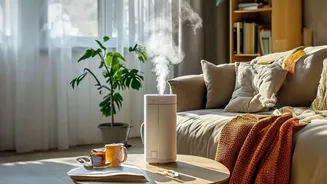
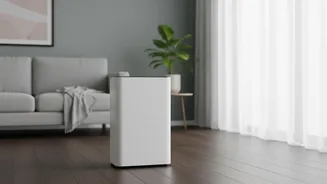
When natural ventilation isn't enough, mechanical aids can make a huge difference. A dehumidifier is your primary weapon against moisture. It works by physically removing water from the air, helping to maintain an ideal indoor humidity level of 30-50%. This directly tackles the root cause of mould and that damp feeling. An air purifier, on the other hand, circulates air through filters to trap physical particles like dust, pollen, pet dander, and mould spores. While it cleans the air, it doesn't reduce humidity. For monsoon season, if you have to choose one, a dehumidifier is often the more critical investment to combat moisture-related issues. Using both provides a complete solution for clean and dry air.
Simple Habits for a Drier Home
Your daily habits also play a significant role. Avoid drying clothes indoors if possible, as this releases a large amount of moisture into the air. If you must, do it in a single room with a dehumidifier running or an exhaust fan on. Place natural moisture absorbers like silica gel or activated charcoal in enclosed spaces like closets and cabinets to protect clothes and prevent mustiness. Promptly wipe down any condensation you see on windows or pipes. Ensure there are no leaks in your roof or walls, as these are direct entry points for water. These small, consistent actions collectively contribute to a drier, healthier indoor environment throughout the rainy season.