



Why Cuttings Win the Race
Starting a plant from a seed is a rewarding but lengthy process. For mint, seeds can be finicky, with germination alone taking up to two weeks under ideal conditions. From there, it can be several months before the seedlings are large enough to harvest.
A stem cutting, on the other hand, is a clone of a mature plant. It already has a head start, bypassing the entire germination and seedling phase. Instead of waiting for a seed to sprout, you're simply encouraging a piece of an existing plant to grow new roots. This method is not only faster but also more dependable. Mint cuttings can develop roots in as little as one to two weeks, giving you a plant that's ready for potting before seeds have even sprouted. This efficiency means you can be harvesting fresh mint in a fraction of the time.
An Advantage of Consistency
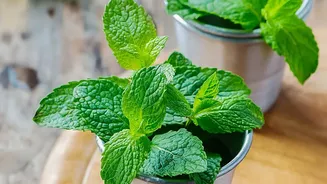
Beyond speed, using cuttings offers another significant benefit: consistency. Mint plants are known to cross-pollinate, which means seeds from a specific type of mint, like spearmint, might not produce a plant with the same flavour and aroma as its parent. When you take a cutting, you are creating a genetic replica of the mother plant. This ensures that the spearmint you love for its specific taste will produce a new plant with that exact same quality. You get predictable results every time, which is a major advantage for anyone growing herbs for culinary use.
Gathering Your Simple Toolkit
One of the best parts about propagating mint is that it requires no special equipment. You likely have everything you need already. You'll want a healthy, fresh mint plant to take cuttings from—this can be a plant from your garden, a friend's, or even a fresh bunch from the grocery store. You will also need a clean pair of scissors or pruners, a small glass or jar filled with water, a pot with drainage holes that is at least 8 inches wide, and some quality potting mix. Rooting hormone is an option to speed up root development but is not necessary, as mint roots very easily in plain water.
Step-by-Step Guide to a New Plant
First, select a healthy, vibrant stem from your mint plant. Using your scissors, snip a piece that is 4 to 6 inches long, making the cut just below a leaf node (the point on the stem where leaves emerge). Carefully strip the leaves from the bottom two inches of the stem, as any leaves left submerged in water will rot. Place the bare end of the cutting into your jar of water and set it on a windowsill or in a location that receives bright, indirect light. Be sure to change the water every few days to keep it fresh. Within one to two weeks, you should see small white roots beginning to sprout from the submerged nodes. Once these roots are a couple of inches long, your cutting is ready for the next step. Gently transfer the rooted cutting into your pot filled with potting mix, making a small hole with your finger for the roots. Water it well and place it back in a bright spot.
Caring for Your Indoor Mint
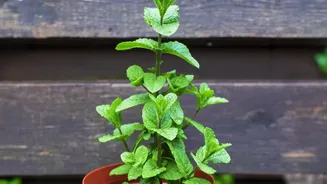
Your new mint plant will thrive with some basic care. Mint prefers soil that is consistently moist but not waterlogged, so water it whenever the top inch of soil feels dry. It grows best in a spot that receives at least 4 to 6 hours of bright, indirect sunlight per day. An east-facing window is often a good choice. To encourage the plant to grow bushy and full rather than tall and leggy, regularly pinch off the top sets of leaves. This not only provides you with fresh mint for your kitchen but also promotes healthier growth for a continuous supply.