




A Vision for Sustainable Heritage
As part of its ambitious goal to become a net-zero carbon emitter by 2030, Indian Railways has launched a pioneering initiative named 'Hydrogen for Heritage'. The project's core idea is to run modern, zero-emission trains on some of India's most cherished
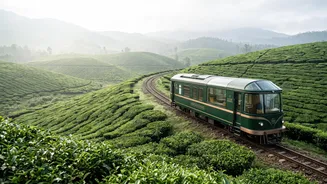
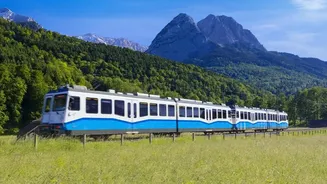
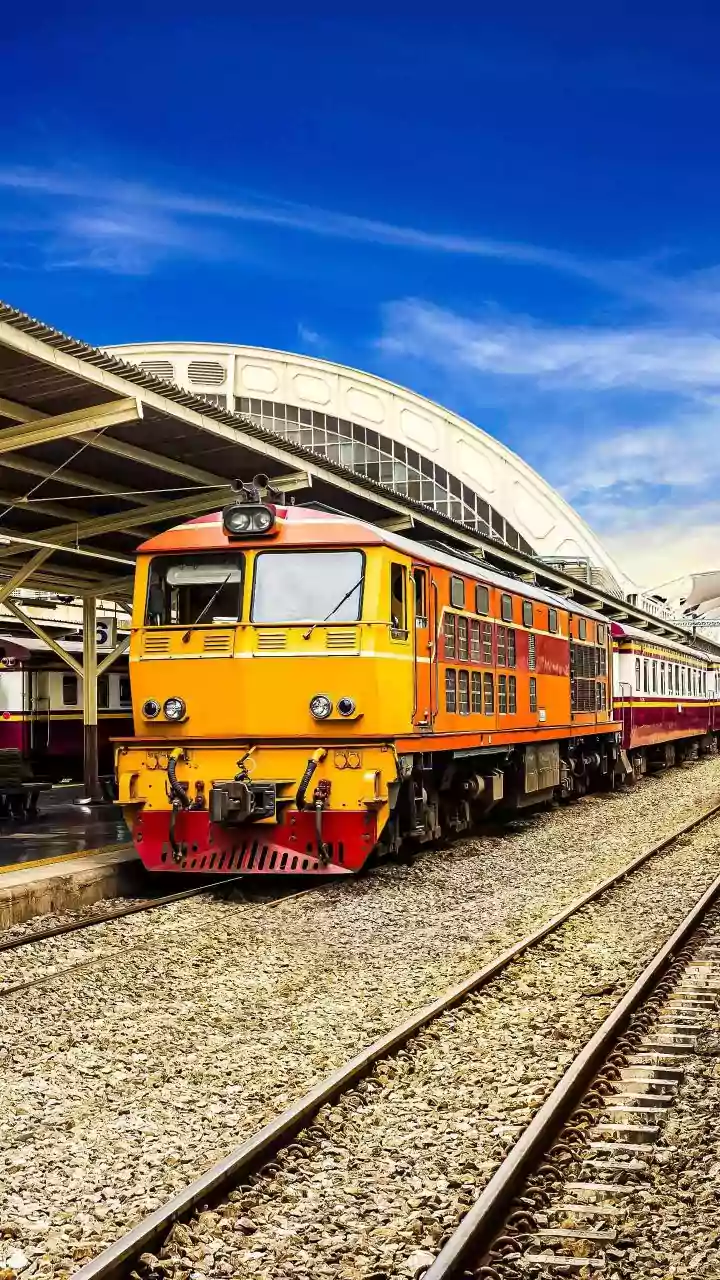
and ecologically sensitive railway lines. These routes, often running through mountains and forests, are currently served by diesel locomotives. While these engines have a certain old-world charm, they contribute to air and noise pollution, which can degrade the fragile ecosystems they traverse. The Hydrogen for Heritage scheme aims to address this by deploying 35 specially designed hydrogen-powered trains across these iconic corridors. This move is not just a technological upgrade; it represents a commitment to preserving India's natural and industrial heritage simultaneously, ensuring that these historic lines can operate sustainably for the future.
How Does a Hydrogen Train Work?
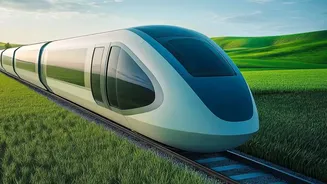
At its heart, a hydrogen train is an electric train that generates its own power onboard. Instead of drawing electricity from overhead lines, it uses a fuel cell. In this fuel cell, hydrogen stored in high-pressure tanks on the train reacts with oxygen taken from the air. This electrochemical reaction produces two things: electricity to power the train's motors and pure water vapour as the only emission. Any excess electricity generated, for example while the train is braking, is stored in onboard batteries. This stored energy can then be used to provide an extra boost during acceleration, making the system highly efficient. The process is quiet and clean, producing no harmful greenhouse gases or particulate matter. This makes hydrogen trains an ideal solution for routes where installing overhead electric cables is difficult, expensive, or would spoil the natural scenery.
Protecting Priceless Landscapes
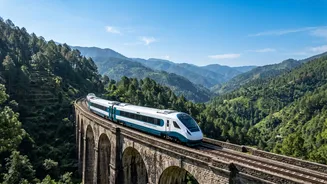
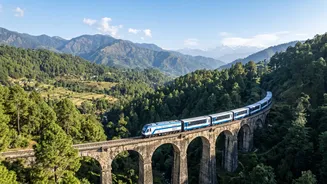
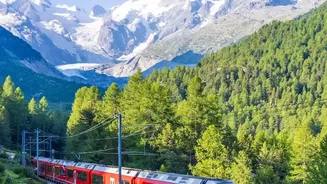
The focus on heritage corridors is deliberate. Routes like the Kalka-Shimla Railway, a UNESCO World Heritage Site, wind through stunning but delicate environments. The narrow-gauge track, with its 102 tunnels and 988 bridges, makes traditional electrification nearly impossible without damaging the line's historic character. Diesel engines currently used on this and other 'toy train' routes create noise and exhaust fumes that impact the local air quality and wildlife. By replacing them with near-silent, zero-emission hydrogen trains, Indian Railways can significantly reduce its environmental footprint in these tourist-heavy regions. The only byproduct being water vapour means cleaner air for visitors and residents, and a quieter environment that allows nature to thrive. This shift helps preserve the very reason these routes are so beloved: their journey through pristine, beautiful landscapes.
The Road Ahead: Pilots and Progress
The journey towards a hydrogen-powered heritage fleet has already begun. Indian Railways launched its first indigenous hydrogen-powered train on the Jind-Sonipat section in Haryana on July 17, 2026. This pilot project is crucial for testing the technology, safety protocols, and operational viability under real-world conditions. A dedicated hydrogen production and refuelling facility has been established at Jind to support these operations. The experience gained from this initial rollout on a broad-gauge line will be vital for adapting the technology for the unique challenges of narrow-gauge hill railways. The Kalka-Shimla line is a prime candidate for the next phase, with plans also being considered for other heritage routes like the Darjeeling Himalayan Railway and Nilgiri Mountain Railway. While initial costs are high, they are expected to decrease as the technology matures and more trains are brought into service.