




The End of the Off-Season
For decades, Rajasthan's tourism calendar was predictable: a bustling peak season from October to March, followed by a scorching, quiet summer and a subdued monsoon. That 'off-season' is now officially a thing of the past. Travel trends for 2026 show
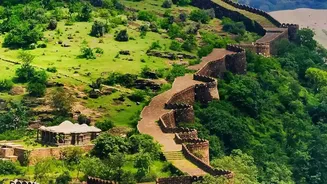
a significant shift, with travellers actively planning trips to coincide with the rains. Destinations like Udaipur, Mount Abu, and the Kumbhalgarh-Ranakpur circuit are witnessing a remarkable influx of visitors. The hospitality industry, traditionally lean during these months, is reporting a significant boost. This surge isn't just about weekend getaways; tourists are opting for slower, more immersive journeys to explore a side of Rajasthan that was once considered a hidden secret. The result is a booking rush that is changing the very definition of tourist season in the state.
A Greener Rajasthan Beckons
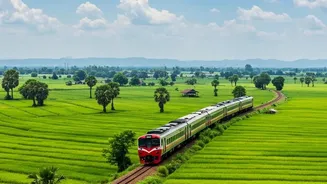
The primary driver of this trend is the dramatic transformation of the landscape. The monsoon breathes new life into the arid state, turning the ancient Aravalli Hills into a vibrant green paradise. After months of intense heat, the rains bring cooler temperatures, misty mornings, and a refreshing atmosphere that makes sightseeing far more pleasant. Lakes, the lifeblood of cities like Udaipur, swell with water, creating stunning, reflective views of palaces and forts. This ‘green tourism’ offers a photogenic spectacle that contrasts sharply with the state's desert image, attracting nature lovers, photographers, and those simply seeking respite from city heat. Destinations like Mount Abu, with its cool climate and misty hills, and Bundi, with its rain-filled stepwells, are becoming particularly popular.
New-Age Travellers and Smarter Marketing
This shift is not purely organic. It is propelled by a combination of savvy marketing and changing traveller preferences. The Rajasthan government has actively started promoting the state as a year-round destination, with campaigns like "Rajasthan in Summer" aiming to attract tourists beyond the winter peak. This official push complements the powerful influence of social media, where images of a lush, rain-washed Rajasthan have captured the imagination of domestic travellers. Furthermore, there's a growing movement among Indian tourists to explore lesser-known facets of popular destinations. Experience-led stays, boutique homestays, and exploring beyond the major cities are trending. This search for authenticity makes the unique atmosphere of a monsoon-drenched heritage fort or a quiet, green countryside more appealing than ever.
Ripples Across the Landscape
The boom has clear economic benefits, providing a welcome revenue stream for hotels, restaurants, and local artisans during a traditionally slow period. Improved road and air connectivity has also made these monsoon escapes more accessible. However, this new rush brings challenges. The trend is changing the 'seasonal landscape' of the industry, forcing businesses to adapt to year-round operations. There is also a growing concern about the potential for overtourism in ecologically sensitive areas. The strain on infrastructure, originally designed for peak winter crowds, is becoming apparent in popular monsoon spots. While the buffer zones of wildlife sanctuaries like Ranthambore and Sariska offer unique monsoon safari experiences, managing tourist flow is critical. The increased footfall also puts a strain on precious resources like water, a long-standing issue in the state.