


Beyond the Classic Peanut
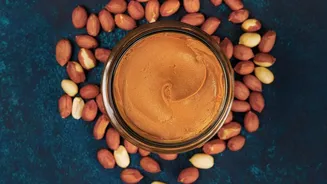
For years, peanut butter was the undisputed king of nut spreads in India. Now, it shares the throne with a diverse court of contenders: creamy almond, rich cashew, earthy sunflower seed, and even luxurious pistachio butter. This expansion reflects a broader
shift in the Indian consumer's palate and priorities. Brands that started as small, online-only ventures are now finding their way into the shopping baskets of mainstream consumers. This move from niche to necessity is driven by a growing class of health-conscious buyers who are looking for more than just a simple spread. They are seeking out products with clean labels, minimal ingredients, and functional health benefits.
A Touch of Indian Spice
What makes this trend distinctly Indian is the infusion of familiar, regional flavours. Companies are moving beyond plain and crunchy, introducing spiced variants that cater to the local palate. You can now find butters flavoured with thandai, gulkand (rose petal jam), and cardamom. One brand offers a Golden Almond Butter with Lakadong turmeric, while another has a savoury Peanut Butter with Byadung chilli. These creative combinations are not just novelties; they are a deliberate effort to make nut butters a versatile ingredient in the Indian kitchen. For instance, a savoury peri-peri cashew butter is marketed not just as a spread, but as a dip for snacks, a marinade for cooking, or a dressing for salads. This fusion of global health trends with local tastes is proving to be a winning formula.
The Driving Force of Wellness
The rise of these artisanal butters is directly linked to a nationwide wellness movement. Indian consumers are increasingly proactive about their health, and this is reflected in their grocery choices. Studies show a significant percentage of urban Indians are making conscious attempts to eat healthy and are willing to pay a premium for products they perceive as beneficial. Nut and seed butters fit perfectly into this lifestyle. They are natural sources of protein, healthy monounsaturated fats, and essential micronutrients like Vitamin E, magnesium, and zinc. This makes them an ideal food for anyone from fitness enthusiasts looking for a post-workout snack to busy parents seeking nutritious options for their families. The demand is for products that are enjoyable, sustainable, and genuinely nourishing.
How to Read the Label
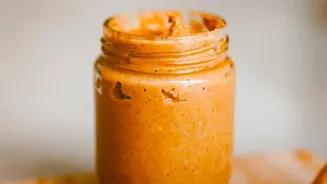
As the market floods with options, it becomes crucial for consumers to become savvy label-readers. The healthiest nut butters contain minimal ingredients: just the nuts and perhaps a touch of salt. Many commercial brands contain added hydrogenated oils, refined sugars or syrups, and artificial emulsifiers or stabilisers to improve texture and shelf-life. Artisanal brands often pride themselves on avoiding these additives, using monk fruit or jaggery for sweetness, if any. When choosing a nut butter, look for a clean ingredient list. The nut itself should be the first and primary ingredient. A little bit of oil separation in the jar is often a good sign—it means the product is natural and free from the stabilisers that prevent this from happening.