


The Problem with 'Just Calories'
We’ve all done it: flipped over a package to scan the nutritional information for calories, fat, sugar, and protein. This is a good habit, but it doesn't tell the whole story. Two foods could have identical nutrient profiles but affect our bodies in vastly
different ways. The reason lies in the degree of processing. While some processing is necessary and even beneficial—like pasteurising milk or freezing vegetables—a category known as ultra-processed foods (UPFs) is drawing concern from scientists and nutritionists worldwide. These aren't just foods with added salt or sugar; they are industrial formulations, often with long lists of ingredients you wouldn't find in a home kitchen.
Understanding the Spectrum of Processing
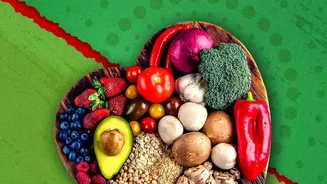
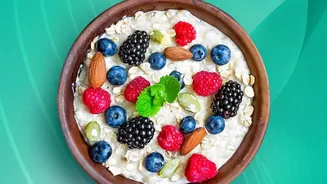
To make sense of it all, researchers developed the NOVA classification system, which groups foods into four categories based on their level of processing. Group 1 is unprocessed or minimally processed foods like fresh fruits, vegetables, dal, rice, and eggs. Group 2 includes processed culinary ingredients like oils, butter, salt, and sugar. Group 3 is processed foods, which are combinations of the first two groups, like canned vegetables, simple cheeses, and freshly made bread. Group 4 is where the concern lies: ultra-processed foods. These include items like sugary drinks, packaged snacks and biscuits, instant noodles, and frozen pizzas. They are designed for convenience and a long shelf life, often using additives like emulsifiers, preservatives, and artificial flavours.
Introducing the 'Food Matrix'
The key difference comes down to something called the 'food matrix'. Think of it as the food's physical structure—the complex way nutrients are held together. In whole or minimally processed foods, this matrix is largely intact. For example, the fibre in an apple or the cellular walls in a whole nut regulate how quickly you digest the sugar or absorb the fat. Ultra-processing, however, destroys this natural structure. The industrial techniques used to create UPFs—like extrusion, moulding, and pre-frying—break down the food's original matrix, making the calories and nutrients inside hyper-available.
How Your Body Reacts Differently
When the food matrix is destroyed, it changes how our bodies respond. First, UPFs are often soft and easy to consume quickly, meaning we can eat more calories before our body’s fullness signals kick in. Second, the rapid absorption of sugars and fats can lead to sharper spikes in blood sugar and insulin. Over time, a diet high in these foods is linked to a higher risk of obesity, type 2 diabetes, heart disease, and other health issues. It’s not just about the added sugar or fat; it’s that the processing itself makes the food less satiating and disrupts the body's natural digestive and metabolic regulation.
The Rise of Ultra-Processed Foods in India
While our traditional diets are rich in whole and minimally processed ingredients, India is experiencing a rapid shift. The market for UPFs in India has grown significantly, with sales increasing at a compound annual growth rate of over 13% from 2011 to 2021. Sweet biscuits, salty snacks, instant noodles, and sugary drinks are becoming staples in many households, especially in urban areas, driven by convenience and aggressive marketing. This shift is a growing public health concern, as it's linked to the rising rates of non-communicable diseases in the country.