





The Hidden Dangers of Your Desk Chair
The human body is designed for movement, not for remaining in a static position for eight hours a day. When you sit for extended periods, several negative physiological changes occur. Your metabolism slows down, circulation becomes sluggish, and the risk
of developing conditions like high blood pressure, elevated blood sugar, and unhealthy cholesterol levels increases. Some experts even compare the long-term risks of a sedentary lifestyle to those of smoking. This prolonged inactivity puts significant strain on your musculoskeletal system, particularly the spine, leading to lower back pain, tight hip flexors, and weak abdominal muscles. It’s not just physical, either; mental clarity can also suffer, as movement helps pump oxygen-rich blood to the brain, which is crucial for concentration and energy.
Movement as the Perfect Antidote
The good news is that you can counteract these effects without running a marathon on your lunch break. Research increasingly shows that short, frequent 'movement snacks' or 'microbreaks' are incredibly effective. These brief periods of activity — even just a few minutes — work to reset your body. They reactivate muscles, improve circulation, and help regulate blood sugar levels. Studies have demonstrated that integrating these breaks can lead to significant reductions in fatigue and improvements in mood and focus. A recent large-scale study found that taking a five-minute walking break every hour offered the best balance of feasibility and positive outcomes for workers, improving both fatigue and mood without harming work performance.
How Often Should You Really Move?
While any movement is better than none, consistency is key. The consensus among many health experts is to aim for a short break from sitting at least once every hour, with many recommending every 30 minutes. A study published in the British Journal of Sports Medicine identified a five-minute movement break every hour as a 'sweet spot' for most people. More frequent breaks, such as every 30 minutes, produced even greater benefits for mood and fatigue, though adherence was slightly lower. The goal isn't perfection; it's about interrupting the cycle of prolonged sitting as often as your workday allows. Even a 60-second stretch or walk can make a meaningful difference in how you feel.
Simple Movement Breaks You Can Do Anywhere
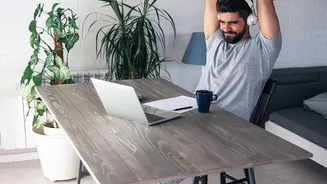
Incorporating movement doesn't require a gym or special equipment. These simple exercises can be done right at your desk or in a small office space: 1. Desk Push-Ups: Place your hands on the edge of your sturdy desk, walk your feet back, and perform a few push-ups. This strengthens your chest and back muscles, which helps combat slouching. 2. Torso Twists: While seated, place one hand on the opposite knee and gently twist your upper body, looking over your shoulder. Hold for a few seconds and repeat on the other side. This helps relieve spinal stiffness. 3. Calf Raises: Stand up and slowly raise your heels off the floor, then lower them back down. This simple move is great for improving circulation in your lower legs. 4. Overhead Stretch: Interlace your fingers and push your palms toward the ceiling, lengthening your spine. This is a great way to open up your shoulders and chest. 5. Chair Squats or Sit-to-Stands: Stand up from your chair and sit back down again without using your hands. Repeat 10-15 times to activate your leg muscles. 6. Neck Rolls: Gently tilt your head from side to side and then roll it forward, chin to chest, to release neck tension.
Making Movement a Lasting Habit
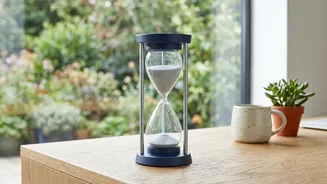
The biggest challenge is often remembering to take a break in the first place. Try linking movement to an existing habit or task. For example, stand up and stretch every time you finish a phone call or send an important email. Set a recurring timer on your phone or computer for every 30 or 60 minutes as a simple reminder to get up. If possible, take a short walk to speak with a colleague instead of sending a message. Or, if you work from home, use your break to do a quick chore like unloading the dishwasher or watering plants. The key is to find a system that works for you and to view these breaks not as an interruption, but as an essential part of a healthy and productive workday.