



Why People Are Selling Now
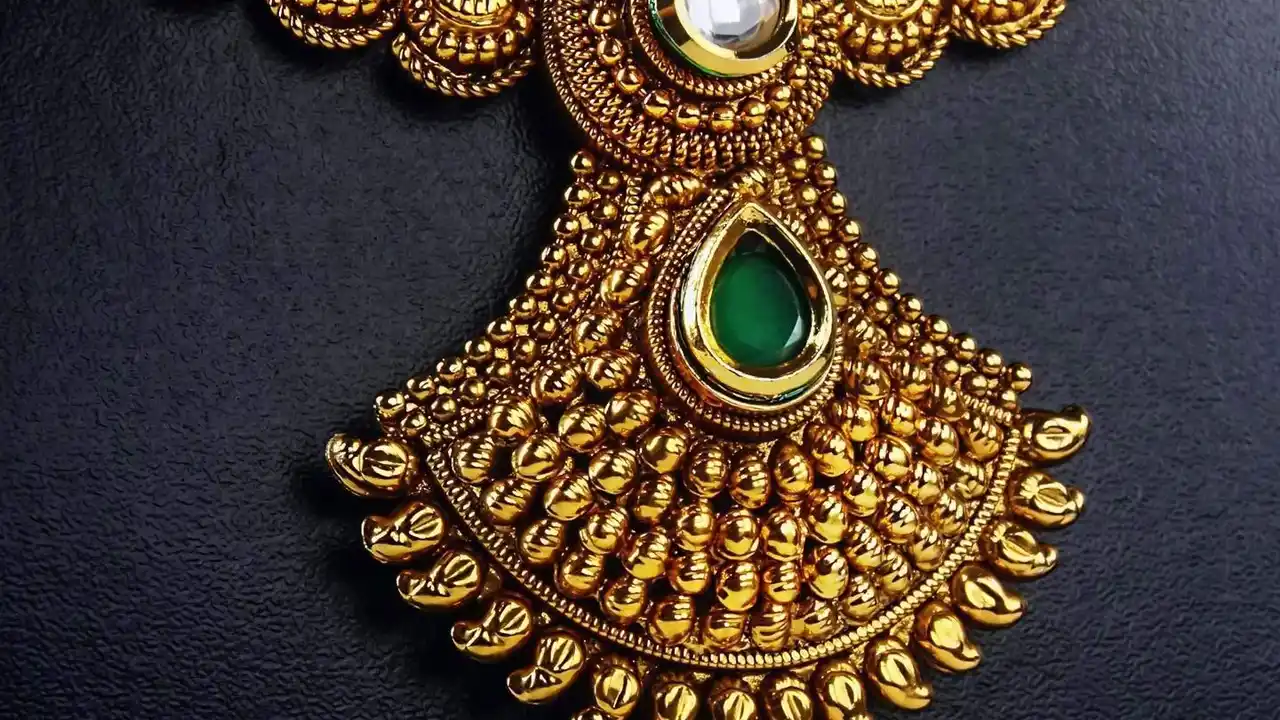
A significant trend is emerging across India: households are increasingly selling old gold. This shift is driven by several factors. Firstly, high gold prices offer a chance to book substantial profits on jewellery purchased years ago at much lower rates.
Many are cashing in, fearing that prices might have peaked and could fall. Secondly, old jewellery often serves as a form of liquid cash. Instead of just exchanging old pieces for new designs, more people are opting to sell for cash to cover household needs, education, or other expenses. This marks a behavioural shift where gold is treated less as a purely emotional keepsake and more as a financial asset to be leveraged at the right time.
The Core Calculation: Purity and Weight
The value of your old jewellery boils down to a simple formula: the net weight of pure gold multiplied by the day's gold rate. The two most critical factors are purity (measured in karats) and weight. Pure gold is 24 karats (K), but most Indian jewellery is 22K (91.6% pure) or 18K (75% pure), as other metals are added for durability. A jeweller first tests the purity, often using an XRF machine that provides an accurate reading without damaging the item. Next, they determine the net weight of the gold. This is done after removing any stones, beads, or wax fillers, as these are not included in the gold's value. Having a BIS hallmark can make the purity verification process smoother and instill more confidence.
Understanding the Deductions
The final amount you receive is always lower than the initial calculation because jewellers apply certain deductions. These are not hidden charges but standard industry practices. The most significant one is that making charges, which you paid when buying the jewellery, are not refunded upon sale. Jewellers will also typically subtract a small percentage (usually 2-5%) for melting and refining the old gold to purify it for reuse. If your jewellery contains stones or other non-gold materials, their weight will be carefully removed from the total before valuation. It's also important to note that you do not have to pay GST when selling old gold, but it is applied when you buy a new piece.
Cash Sale vs. Jewellery Exchange
You generally have two options: sell your gold for cash or exchange it for new jewellery. The value you get can differ between these two. When exchanging for a new piece from the same jeweller, you might get a slightly better rate because the jeweller is securing another sale. Some jewellers may even offer 100% value on old gold when you buy new ornaments from them, with your only cost being the making charges and GST for the new item. However, selling for cash provides immediate liquidity. If you choose this route, jewellers may deduct an additional 3-5% from the final value to cover their margin and the costs of processing the transaction. Always clarify the terms for both options before making a decision.
Tips for a Fair and Transparent Transaction
To ensure you get the best possible value, a little preparation goes a long way. Always check the day's gold rate from a reliable source before visiting a jeweller. It's highly recommended to get quotes from at least three different reputable buyers, as offers can vary. Insist that the purity testing and weighing are done in your presence for complete transparency. Don't hesitate to ask for a detailed breakdown of the valuation, including the gross weight, purity assessment, deductions, and the final offered price. While not always required, having the original purchase bill can sometimes help, though most organised jewellers will accept gold without it. Finally, consider selling to the original jeweller, as they may offer better terms.