
The Sun's Volatile Temper
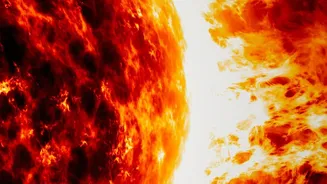
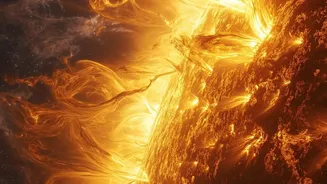
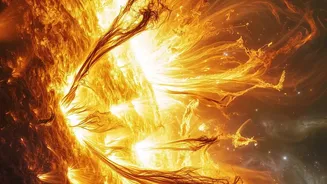
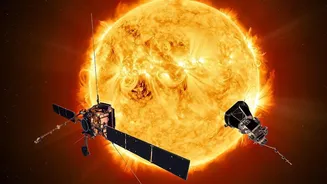
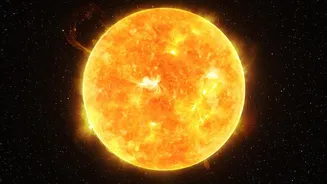
Space weather refers to the changing conditions in space driven by the sun's activity. The main events of concern are solar flares and coronal mass ejections (CMEs). A solar flare is an enormous explosion on the sun's surface, releasing a torrent of radiation
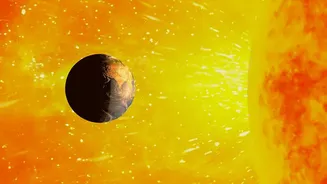
that travels at the speed of light, reaching Earth in just eight minutes. CMEs are even more powerful: massive bubbles of magnetised gas and charged particles that erupt from the sun, hurtling through space at millions of miles per hour. While many of these events miss our planet, a direct hit can have significant consequences. These storms interact with Earth's magnetic field, triggering what are known as geomagnetic storms.
A Threat to Our Digital World
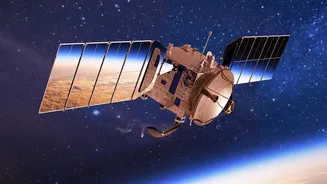
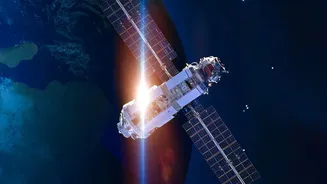
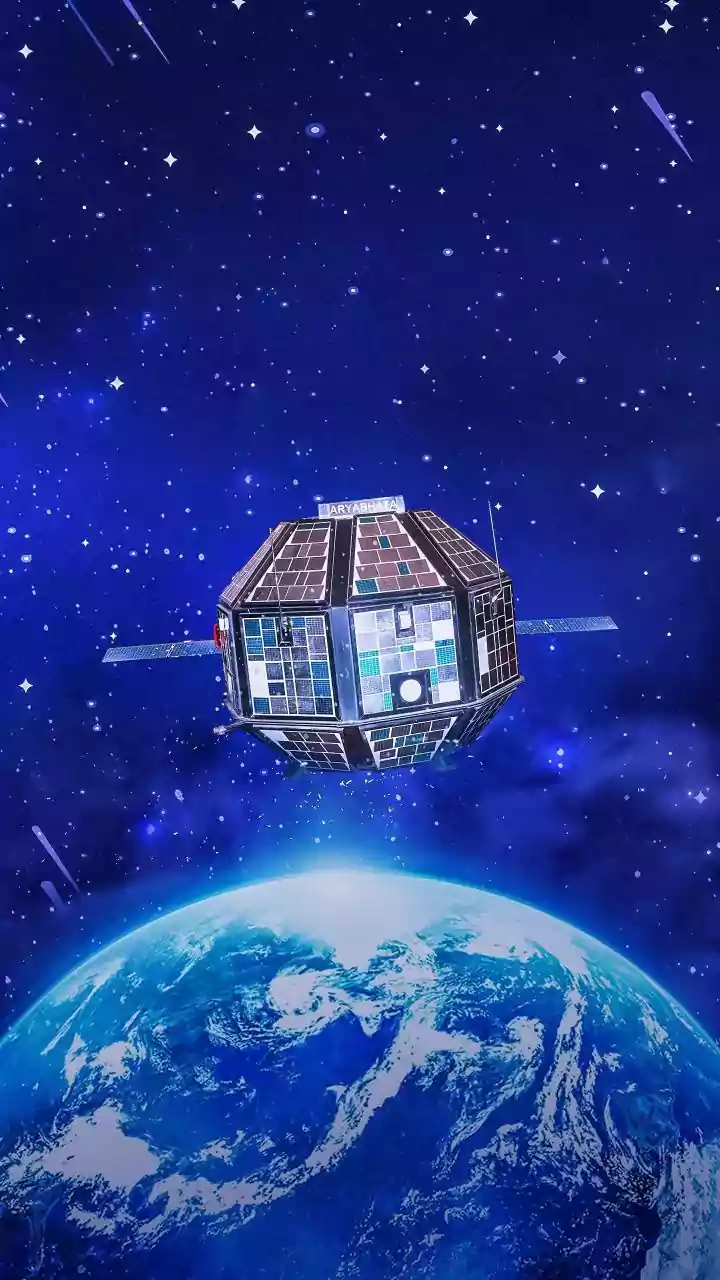
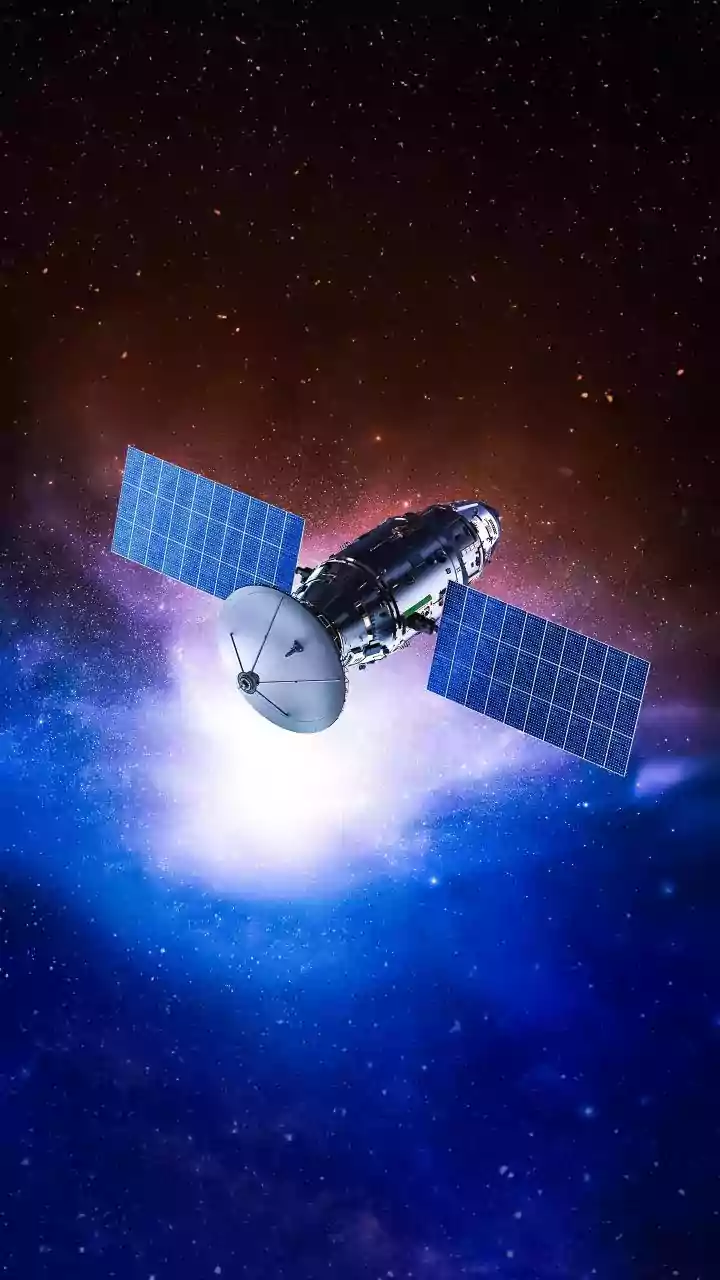
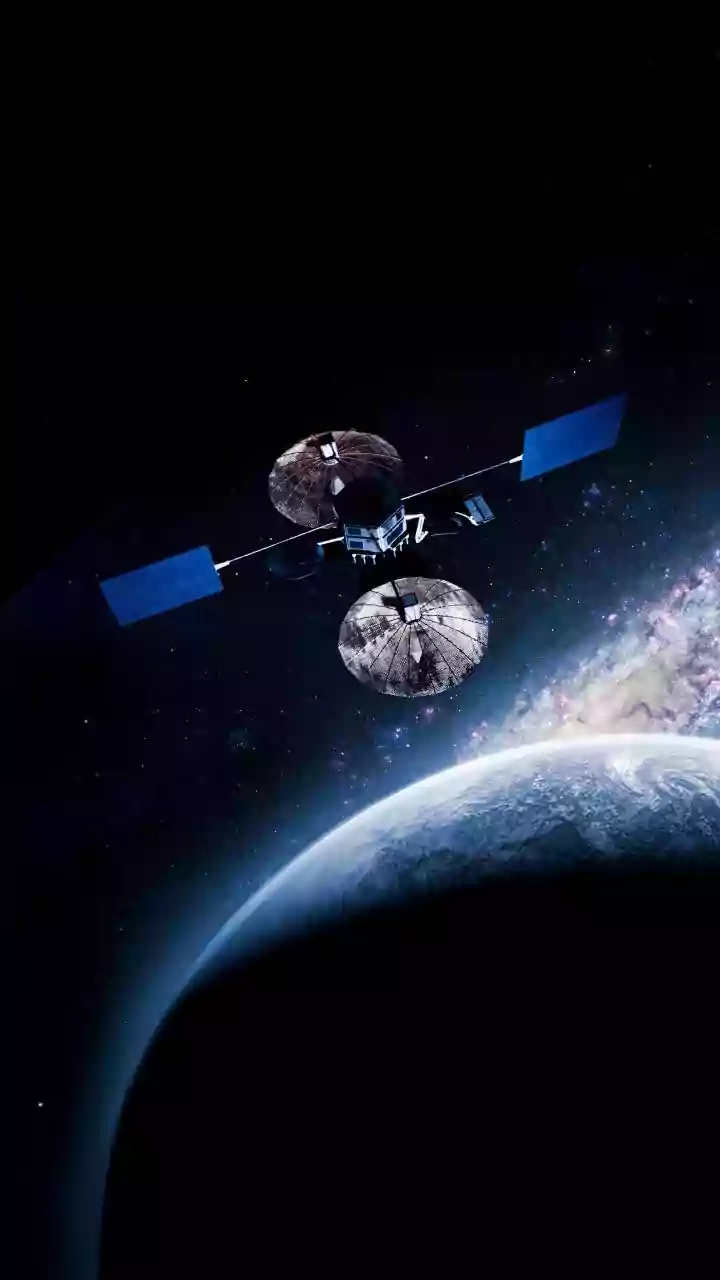
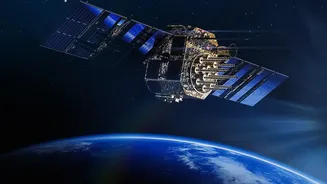
For the thousands of satellites orbiting Earth, space weather is a constant hazard. Charged particles can penetrate satellite shielding, causing electronic malfunctions, damaging solar panels, and shortening a spacecraft's lifespan. During a strong storm, the Earth's atmosphere can heat up and expand, increasing drag on satellites in low-Earth orbit. This can alter their trajectory, causing them to lose altitude and increasing the risk of collisions or premature re-entry. On the ground, the danger is just as real. Geomagnetic storms can induce powerful electrical currents in long conductors like power lines and pipelines. These geomagnetically induced currents (GICs) can overload high-voltage transformers, leading to damage and widespread power outages, like the one that left Quebec without power for nine hours in 1989.
The Global Watchtowers
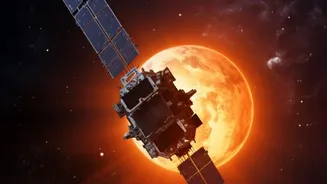
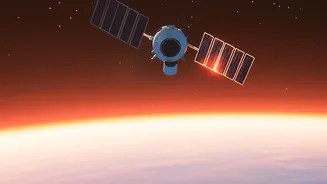
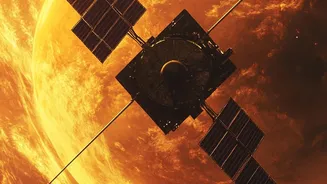
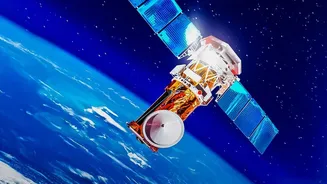
To guard against these threats, a global network of observatories and agencies constantly monitors the sun. The leading authority in the United States is NOAA's Space Weather Prediction Center (SWPC), which operates as the nation's official source for space weather alerts. In collaboration with partners like the U.S. Air Force, the SWPC uses data from ground-based telescopes and a fleet of satellites to provide forecasts, watches, and warnings. Key space-based assets include the GOES satellites, which provide real-time imagery of solar flares, and the Deep Space Climate Observatory (DSCOVR), which sits a million miles from Earth to sample the solar wind before it arrives. In Europe, the European Space Agency (ESA) operates a similar Space Weather Service Network, providing tailored information to governments and industries across the continent.
From Warning to Action
These monitoring networks are not just for scientific curiosity; they provide actionable intelligence. When the SWPC or ESA issues a warning for an incoming solar storm, it triggers a series of defensive measures. Satellite operators can put their spacecraft into a protective 'safe mode', temporarily powering down sensitive electronics to prevent damage. Airline companies may reroute flights, particularly those over the polar regions, to avoid communication blackouts and elevated radiation levels. Power grid operators use the forecasts to prepare their systems for the impact of GICs, adjusting loads and taking other measures to enhance grid stability and prevent cascading failures. These warnings, which can provide a lead time of minutes to days, are crucial for mitigating the worst effects of a storm.
The Future of Space Weather Forecasting
As our reliance on technology grows, so does the need for more accurate and timely space weather predictions. Researchers and agencies are continuously developing new models and missions. AI is now being used to analyze vast amounts of solar data to predict flares with greater accuracy. Upcoming missions like ESA's Vigil will be placed at a unique vantage point in space to observe the sun's far side, giving us a view of active regions before they rotate to face Earth. Another planned mission, HENON, will fly much closer to the sun than current monitors, aiming to increase the warning time for the fastest CMEs from just 15 minutes to several hours. These advancements are essential for building a more resilient infrastructure against the inevitable storms to come.