


From Humble Staple to Superfood Star
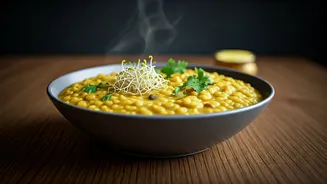
For generations, bajra, or pearl millet, has been a dietary staple in rural India, valued for its resilience and affordability. [3] It was the food of our grandparents, often found in simple, hearty meals like rotis and khichdi. [2] However, as modern
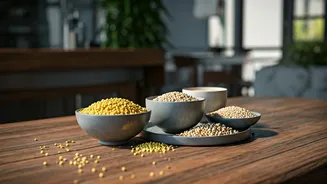
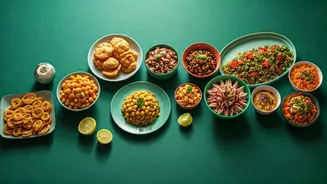
diets shifted towards the convenience of rice and wheat, this ancient grain faded into the background, often seen as a nostalgic but rarely cooked food. [2, 11] Now, a remarkable shift is happening. Wellness-conscious city dwellers and innovative chefs are rediscovering bajra, not as a forgotten staple, but as a versatile superfood perfect for the contemporary palate. [4, 11] This revival is placing bajra at the centre of a new culinary trend: the bajra salad.
Why Now? The Great Millet Comeback
The resurgence of millets isn't a coincidence. It's driven by a larger movement towards sustainable, local, and mindful eating. [2, 4] The UN's declaration of 2023 as the International Year of Millets sparked a massive wave of interest, with chefs and hotels across India creating special menus to showcase these grains. [11, 16] This initiative highlighted not only their nutritional benefits but also their climate-resilient nature; millets require very little water and thrive in tough conditions, making them a planet-friendly choice. [4] Furthermore, the growing demand for gluten-free options has opened the door for grains like bajra to shine. [9] As consumers become more interested in reconnecting with traditional food wisdom, millets are being embraced as a way to eat both healthily and sustainably. [2, 4]
A Nutritional Powerhouse in a Bowl
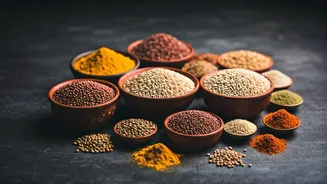
So, what makes bajra so special? It's packed with nutrients. Pearl millet is naturally gluten-free and a rich source of dietary fibre, which aids digestion and promotes a feeling of fullness, making it great for weight management. [6, 8] It’s also loaded with essential minerals. A single serving provides significant amounts of magnesium, phosphorus, and iron. [3, 8] The high magnesium content is beneficial for heart health and can help regulate blood pressure, while the fibre helps stabilise blood sugar levels, making it an excellent choice for diabetics. [5, 7, 10] Its low glycemic index ensures a slow and steady release of energy, preventing the sugar spikes associated with refined grains. [4, 6] This impressive nutritional profile makes it a true superfood.
What Makes a Great Bajra Salad?
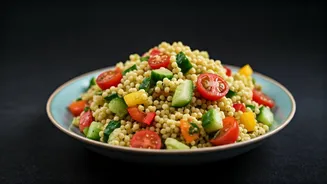
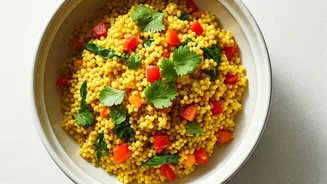
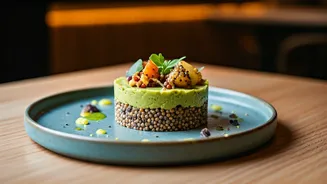
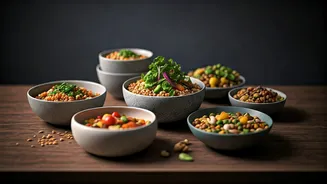
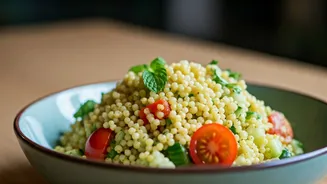
The beauty of the bajra salad lies in its texture and versatility. Cooked bajra has a fluffy, slightly chewy texture and a mild, nutty flavour that pairs beautifully with a wide range of ingredients. Chefs are getting creative, tossing it with everything from chopped vegetables and fresh herbs to fruits, nuts, and seeds. [15] A classic preparation might involve mixing boiled bajra with finely chopped onions, bell peppers, and tomatoes, all brought together with a zesty lemon-olive oil dressing. [10] Other popular additions include pomegranate seeds for a burst of sweetness, crumbled paneer or feta for creaminess, and toasted sesame seeds for an extra crunch. [15] The end result is a dish that is both satisfying and refreshing, proving that healthy food can be incredibly delicious.
Bringing the Trend Home
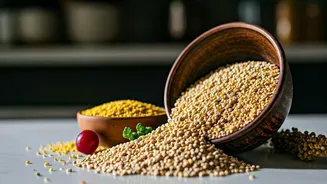
You don't need to visit a fancy cafe to enjoy this healthy trend. Making a bajra salad at home is simple. The key is to prepare the bajra correctly. Start by soaking the pearl millet overnight. [13, 15] After soaking, you can pressure cook it until it's soft but still has a slight bite, similar to al dente pasta. [15] Once cooked and cooled, it becomes the perfect base for your salad. Toss it with your favourite chopped vegetables like cucumber, carrots, and capsicum. Add some boiled chickpeas or shredded chicken for extra protein. [13] For the dressing, a simple mix of lemon juice, olive oil, salt, and pepper works wonders. [10] Don't be afraid to experiment with herbs like coriander and mint to create a salad that’s uniquely yours.